

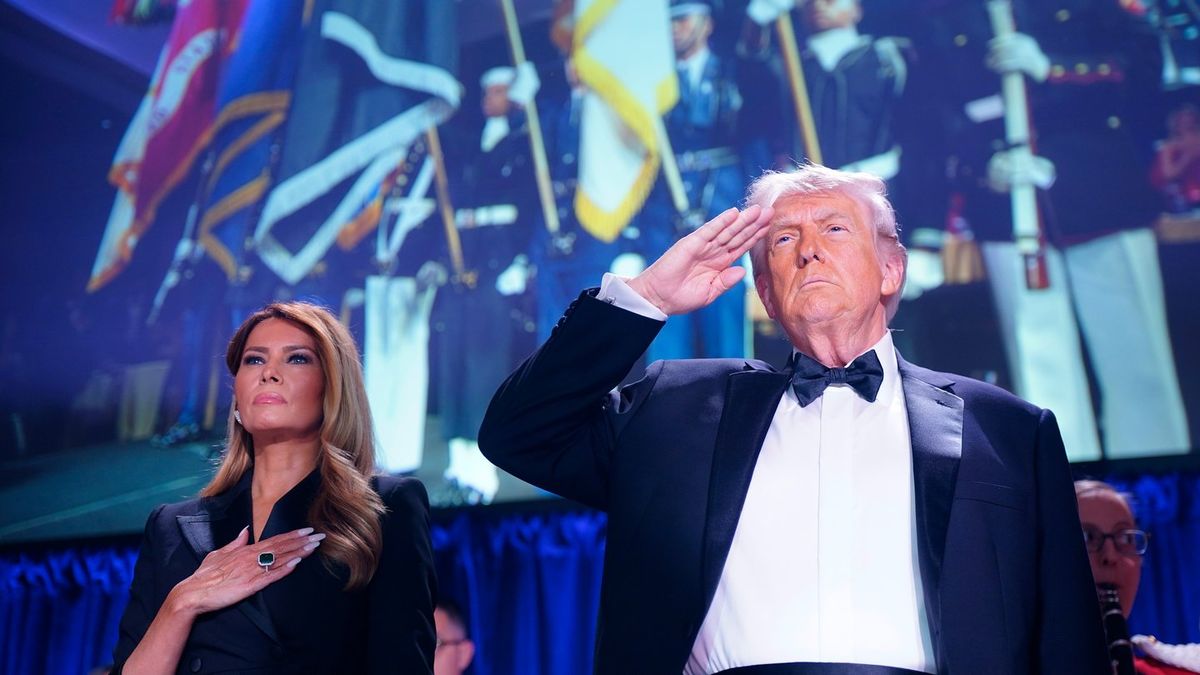
A shooting at the White House Correspondents’ Dinner added to the list of moments when Donald Trump has been nearby during gunfire, and he appeared contemplative when commenting in the aftermath.
Political violence has long been part of US history, with presidents over the centuries facing threats and attempts on their lives. Speaking on Saturday, Trump said he felt “honored” that would-be assassins viewed him in the same category as the four presidents who were killed while serving.
Trump said: “I’ve studied assassinations and I must tell you, the most impactful people – the people that do the most… The people that make the biggest impact, those are the ones they go after.
“They don’t go after the ones that don’t do much because they like it that way. When you look at the people… Whether it was an attempt or successful attempt, they’re very impactful people… They’re big names.”
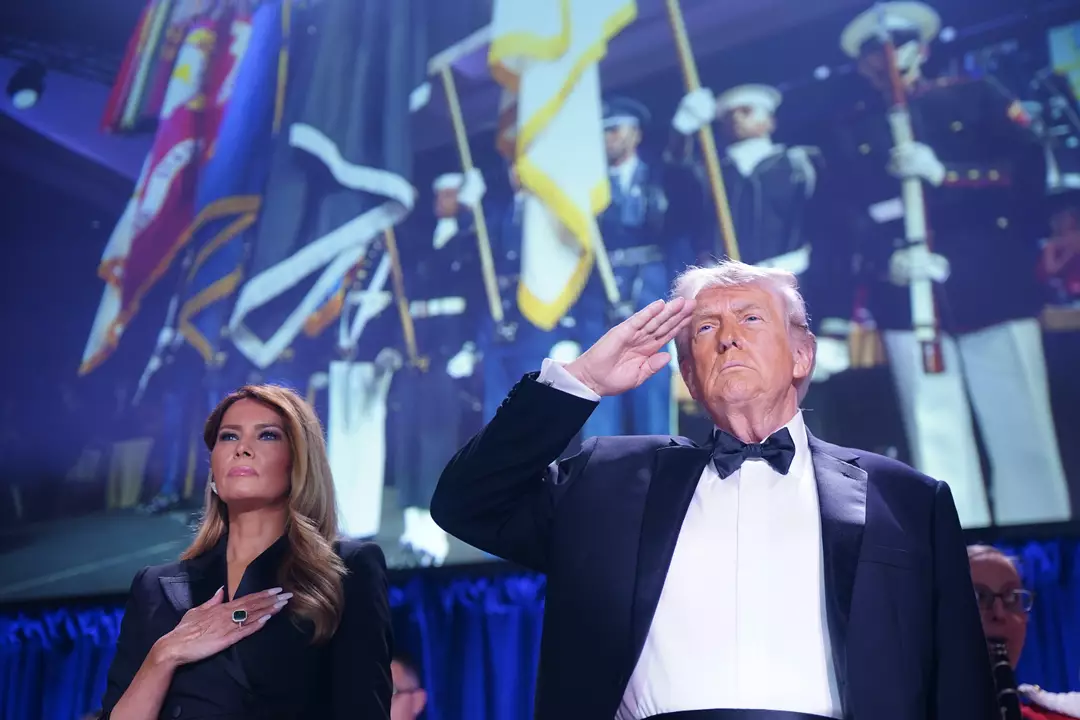
He continued: “I hate to say I’m honored by that but I’ve done a lot. We’ve taken this country and we were a laughing stock for years, now we’re the hottest country anywhere in the world. We’ve changed this country and there’s a lot of people that are not happy about that.”
Still, the idea that assassinated presidents were targeted purely because they made the “biggest impact” can be debated, depending on how you interpret the circumstances surrounding each killing.
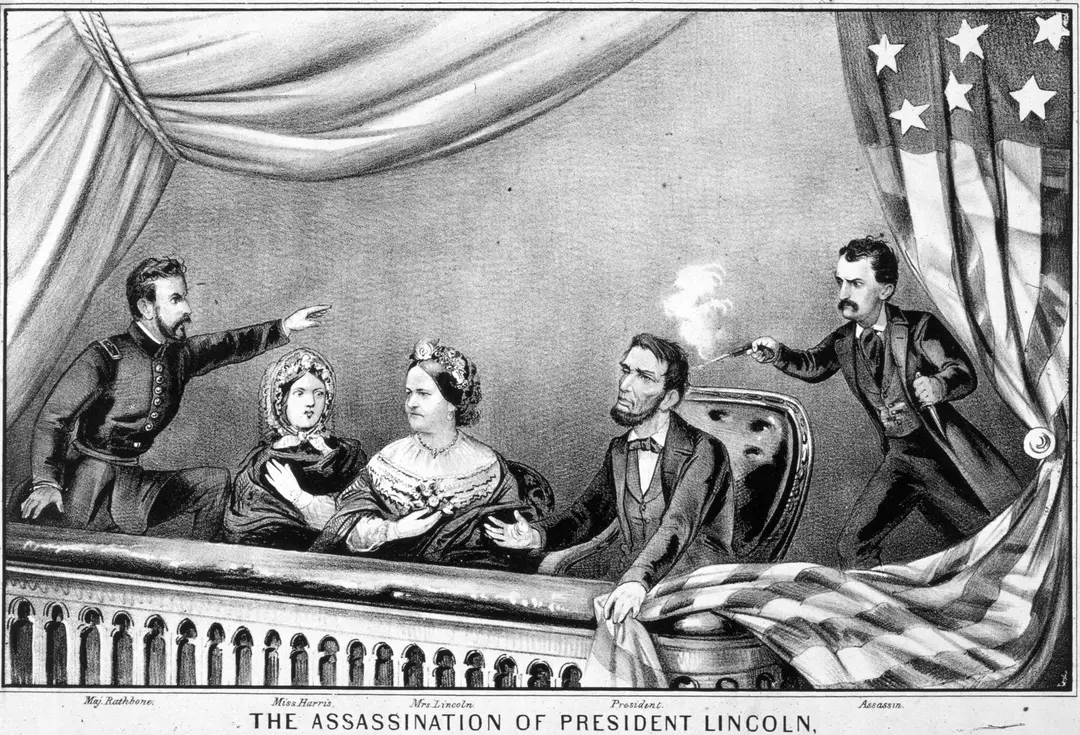
Abraham Lincoln reshaped the nation, leading the Union through the Civil War and ending slavery—decisions that earned him fierce enemies. By the time John Wilkes Booth shot him at Ford’s Theatre in Washington, Lincoln had reportedly already faced several serious plots involving either assassination or kidnapping.
Booth and his collaborators were committed to the Confederate cause, even though General Robert E Lee had surrendered just days earlier. Their killing of Lincoln became a defining moment that reinforced, among many in the North, his legacy tied to anti-slavery principles and popular democracy.
At the same time, some historians suggest that Lincoln’s absence during Reconstruction negotiations removed a moderating influence, potentially contributing to later outcomes such as the rise of Jim Crow laws across the former slave states.
Lincoln survived for nine hours after being shot and was taken to a building across the street, where he died on the morning of April 15.
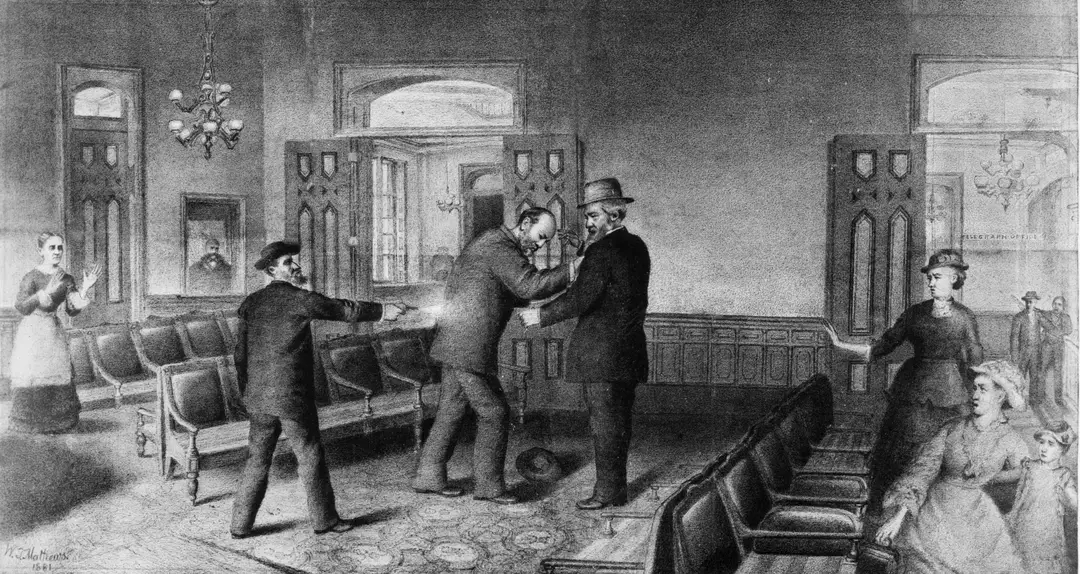
James Garfield was shot twice in the back by Charles Guiteau, a man described as mentally ill who considered himself a supporter of the president. Guiteau incorrectly believed he had played a meaningful part in Garfield’s election and felt he was owed a prestigious diplomatic post.
Garfield, a former Civil War general, had been encouraged to shift into politics at the urging of President Lincoln, who reportedly argued that the country needed strong lawmakers more than more battlefield leaders.
When Guiteau failed to receive the ambassadorship he imagined he deserved, he fired on Garfield only about 200 days into the president’s first term.
But Garfield’s death is often linked not only to the bullets, but also to the medical practices of the era. Several doctors probed the wounds in an effort to locate and remove the projectiles.
With limited tools and little understanding of infection control, what began as a three-inch wound reportedly became a far more extensive injury. An infection developed and the president suffered sepsis, dying on September 19, 1881.
Guiteau was later executed by hanging. During his trial, he said: “I did not kill the President. The doctors did that. I merely shot him.”
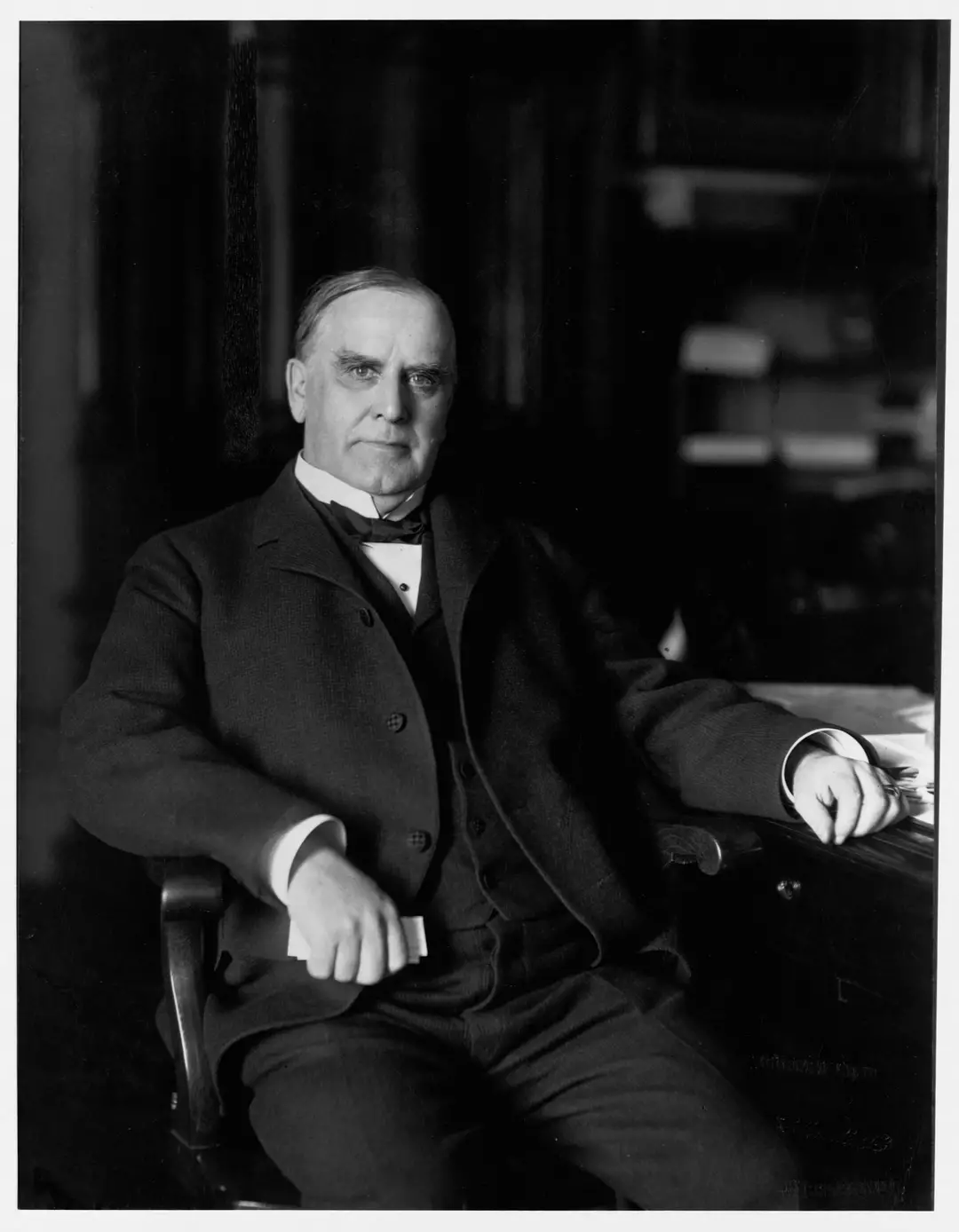
William McKinley also had a Civil War background, though some of the most consequential actions tied to him came during his presidency. Under his administration, the Spanish–American War ended in 1898, Cuba was freed from Spanish rule, and Puerto Rico, Guam, and the Philippines became US territories.
Supporters applauded the growing American footprint abroad, while critics—including Mark Twain—argued that expansion clashed with the democratic ideals the country claimed to represent. McKinley is also criticized for failing to stop the spread of both legal and practical segregation in the South.
His presidency also unfolded during an era of major industrial consolidation and rising wealth disparity, issues that later administrations—such as Theodore Roosevelt’s—would attempt to address.
McKinley’s second term ended abruptly after anarchist Leon Czolgosz shot him twice with a concealed.32 caliber handgun at the Pan-American Exposition in Buffalo, New York.
Like Garfield, McKinley did not die immediately. He later succumbed to complications when doctors were unable to locate and remove one of the bullets, and gangrene developed. He died of septic shock on September 14. Czolgosz was executed in the electric chair 45 days later.
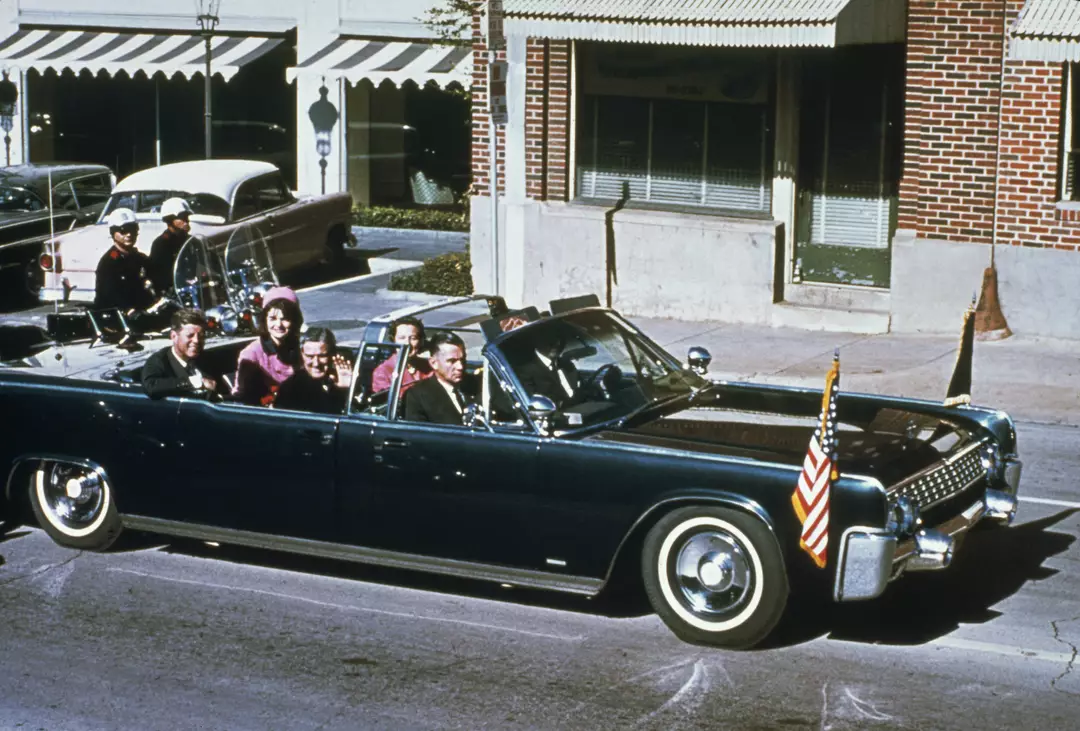
The assassination of President John F Kennedy was a national trauma that reverberated through American culture and politics. In the wake of his death, some of the ambitions associated with his vision for society were advanced under his vice president.
Among the most significant outcomes was the Civil Rights Act of 1964, which removed major remaining pillars of Jim Crow by barring discrimination based on race, colour, religion, sex, or ethnicity.
During his time in office, Kennedy navigated some of the Cold War’s most dangerous flashpoints, including the Cuban Missile Crisis in 1962—an episode that followed the failed Bay of Pigs Invasion of Cuba in 1961.
Yet the lasting societal impact of his death may be felt most in the decades of speculation it generated, with conspiracy theories persisting for more than half a century about who was responsible and whether Lee Harvey Oswald truly acted alone.
He was also the only assassinated US president who had not served in the Civil War.