

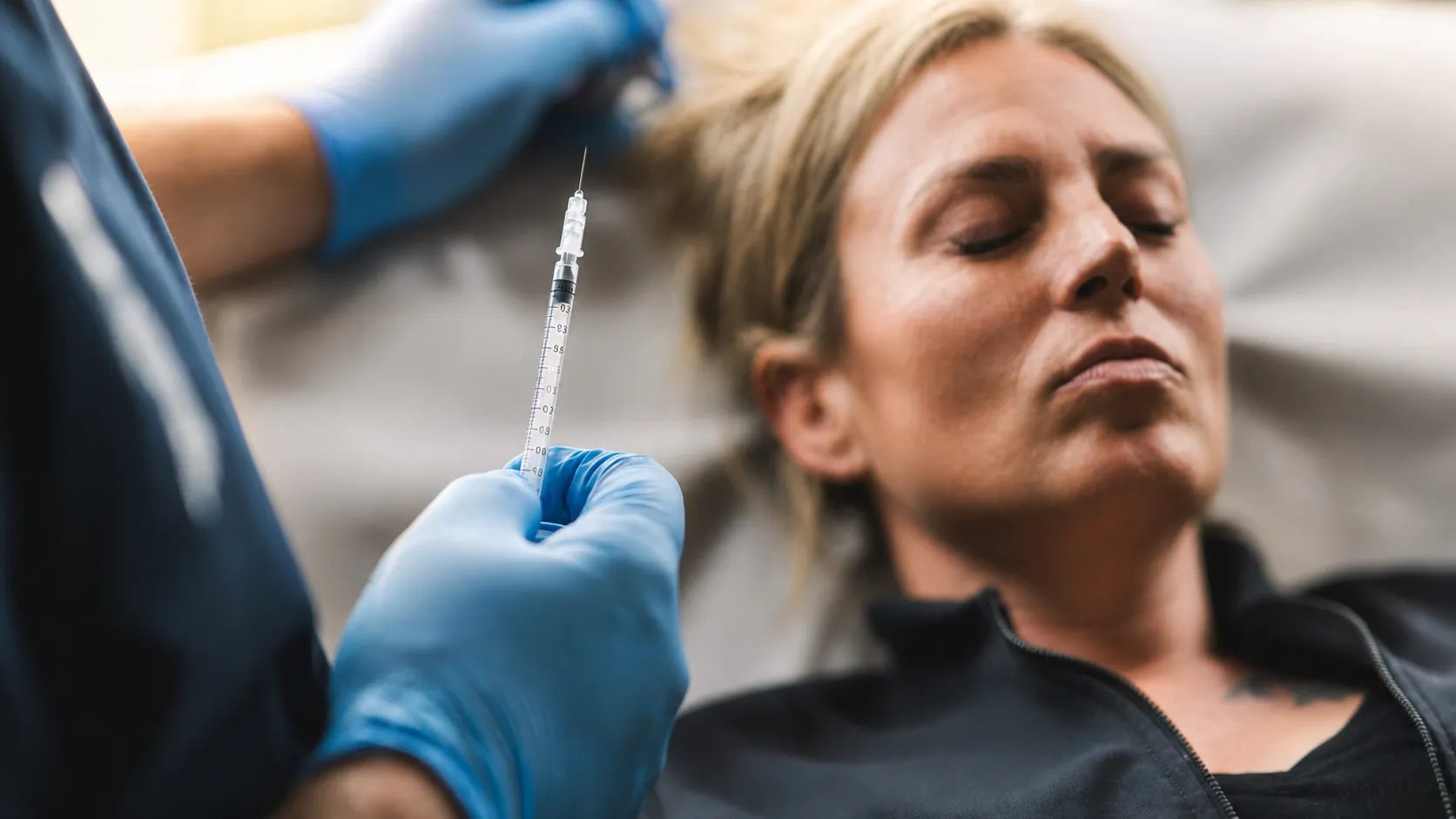
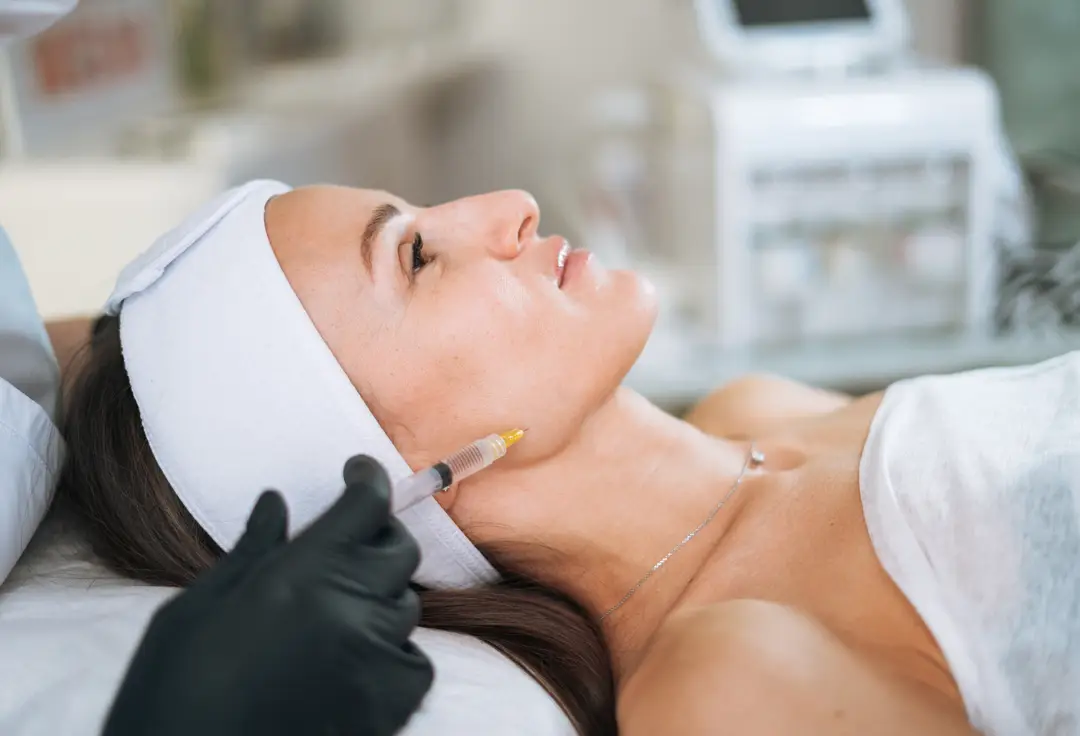
A cosmetic doctor has outlined some of the less widely discussed effects linked to Botox and other tweakments, at a time when minimally invasive cosmetic treatments continue to be hugely popular in the US, with the American Society of Plastic Surgeons reporting more than 7.5 million such procedures in 2024 and neuromodulator injections such as Botox remaining the top choice.
Injectables such as Botox and dermal fillers are now far more mainstream than they once were, but many people still do not fully understand how these treatments work or what risks can come with them.
Studies involving identical twins have suggested Botox can help soften visible signs of aging. Even so, experts say there are possible drawbacks that patients should know before deciding whether treatment is right for them.
In comments to the Sun, aesthetics doctor Dr David Jack said cosmetic procedures can become “unhealthy” when overdone.
Some of the effects discussed by specialists are not just cosmetic and could influence day-to-day wellbeing.
One issue raised is that a very frozen appearance may affect how others perceive and respond to you socially.
Dr Jack said:
“Very heavy treatment, particularly of the forehead and frown, can make people look less emotionally available.
“When we see someone looking sad, angry, distressed or happy, we may unconsciously mirror tiny elements of that expression, and the feedback may help the brain interpret what the other person is feeling.”

Specialists in aesthetics also said facial expressions play a part in intimate communication, giving a partner immediate non-verbal cues about pleasure and emotion. If Botox or filler is overused, that facial feedback may be reduced.
Clinical psychologist Dr Sheena Kumar, also speaking with the outlet, explained:
“Facial movements, however subtle, help people to read each other’s emotions and build responsiveness during close interactions.
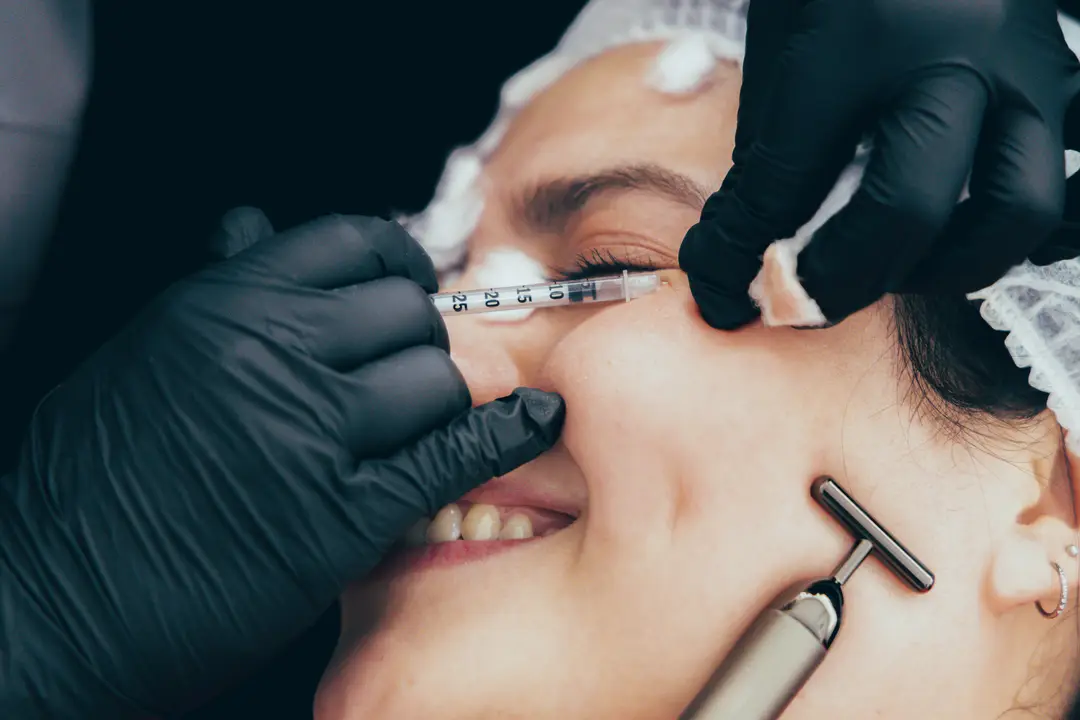
Experts also warned of a much more serious complication associated with filler: accidental blockage of a blood vessel, which in rare cases can lead to blindness.
Warning signs can include changes in skin colour, blistering, blanching, and intense pain.
Doctors say this is a medical emergency, because prompt treatment may reduce the chance of permanent damage, but outcomes can still be severe if blood flow to the eye or surrounding tissue is interrupted.
Dr Sophie Shotter, aesthetic doctor and creator of the podcast Age Well, warned:
“The blindness is often permanent.”
She added that the nose, the forehead and the area between the eyebrows are considered the highest-risk treatment zones, and stressed that although this outcome is uncommon, it is a medical emergency.
Doctors also said that while filler and fat-dissolving injections can look like a fast solution, the emotional outcome may be more complicated for people who are already deeply unhappy with their appearance.
Dr Kumar noted:
“Tweakments can sometimes worsen body dysmorphia, because the underlying reason for them is often psychological, rather than purely aesthetic.
“For people who become highly focused on their ‘flaws’, changing one feature may bring only temporary relief, before attention shifts to another area.”
Experts also say patients should be aware that counterfeit and unregulated injectables remain a growing safety concern, with regulators warning in recent years about fake botulinum toxin products and poorly controlled cosmetic injections administered outside proper medical settings.
There may, however, be another side to the conversation.
Recent research found that some people with mood disorders reported improvements in depression and anxiety symptoms after receiving Botox around the eyes and mouth.
Dr Kumar added:
“It’s the idea that facial expressions don’t just reflect emotions, but can also influence them.
“By temporarily weakening the frown muscles, Botox may interrupt the brain’s feedback loop associated with sadness, stress, anxiety and negative emotion.”