

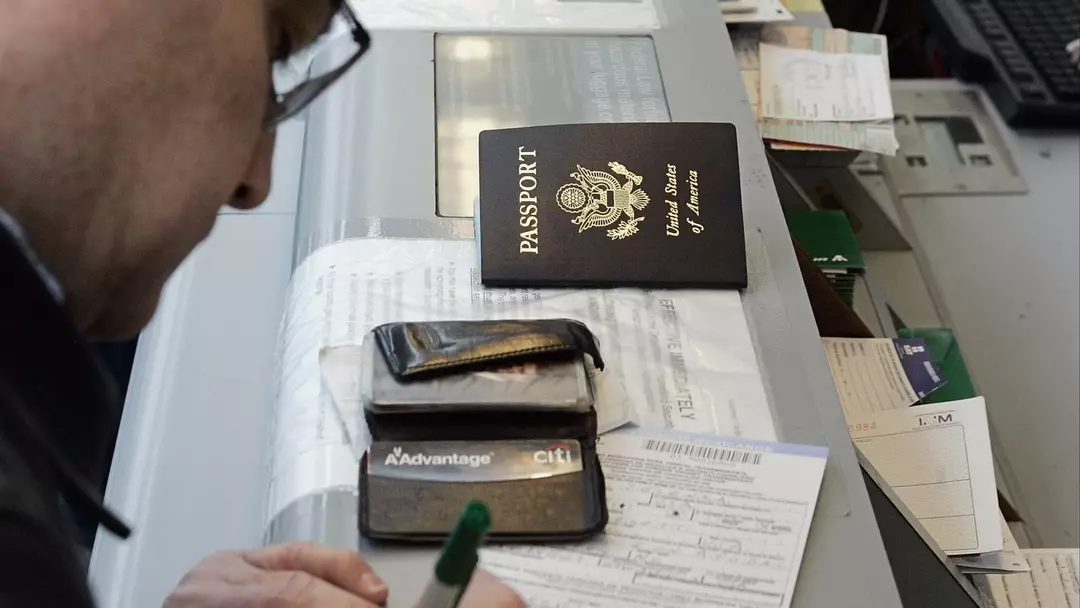
This year’s rankings of the world’s most powerful passports have been unveiled, assessing the number of destinations accessible to passport holders without additional screening. Surprisingly, the USA has secured a top spot on this list.
Passports vary significantly in their power, with a select group of nationalities enjoying the privilege of traveling to most countries worldwide without needing a visa beforehand. This advantage allows travelers to bypass cumbersome paperwork when going abroad.
Countries that establish mutual travel agreements to enhance tourism or fortify political relations often waive visa requirements, offering their citizens significant travel benefits. In 2013, this led the US and UK to dominate the global list of trusted nations.
However, over the past decade, marked by global upheavals such as rising tensions with Russia, revolutions in the Middle East, and increasingly stringent restrictions on global migration, the US had seen a decline in its ranking. That trend shifted in 2026.
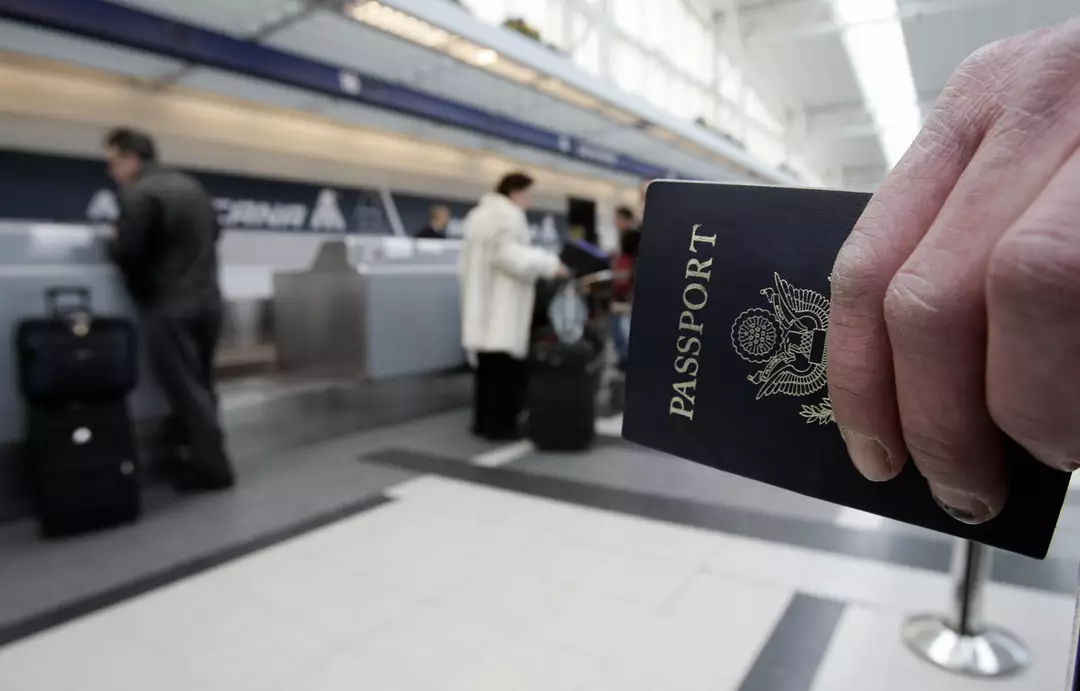
For the first time in years, Americans have re-entered the top 10 in the global standings by the Henley Passport Index, which evaluates 199 passports and 227 distinct destinations in terms of travel freedom worldwide.
Although it seems a positive development that the US has climbed two spots from the previous year, this reflects growing instability in international relations since 2015. The number of countries American passport holders can travel to without a visa has decreased.
In 2026, seven fewer destinations offer visa-free access to Americans compared to the previous year, with 179 countries extending this convenience to US citizens.
This figure remains lower than that of numerous European and Asian nations. For instance, Singaporean passport holders can effortlessly visit 192 countries globally. Currently, the US passport ranks 10th, trailing behind Venezuela’s.

Over the past 15 years, the evolution of this list highlights significant geopolitical shifts, with certain nations making remarkable progress. A notable example is the United Arab Emirates, which, according to Forbes, has added 149 visa-free destinations for its citizens since 2006.
Misha Glenny, Rector of the Institute for Human Sciences in Vienna, commented: “Passport power ultimately reflects political stability, diplomatic credibility, and the ability to shape international rules.
“As transatlantic relations strain and domestic politics grow more volatile, the erosion of mobility rights for countries like the US and UK is less a technical anomaly than a signal of deeper geopolitical recalibration.”