

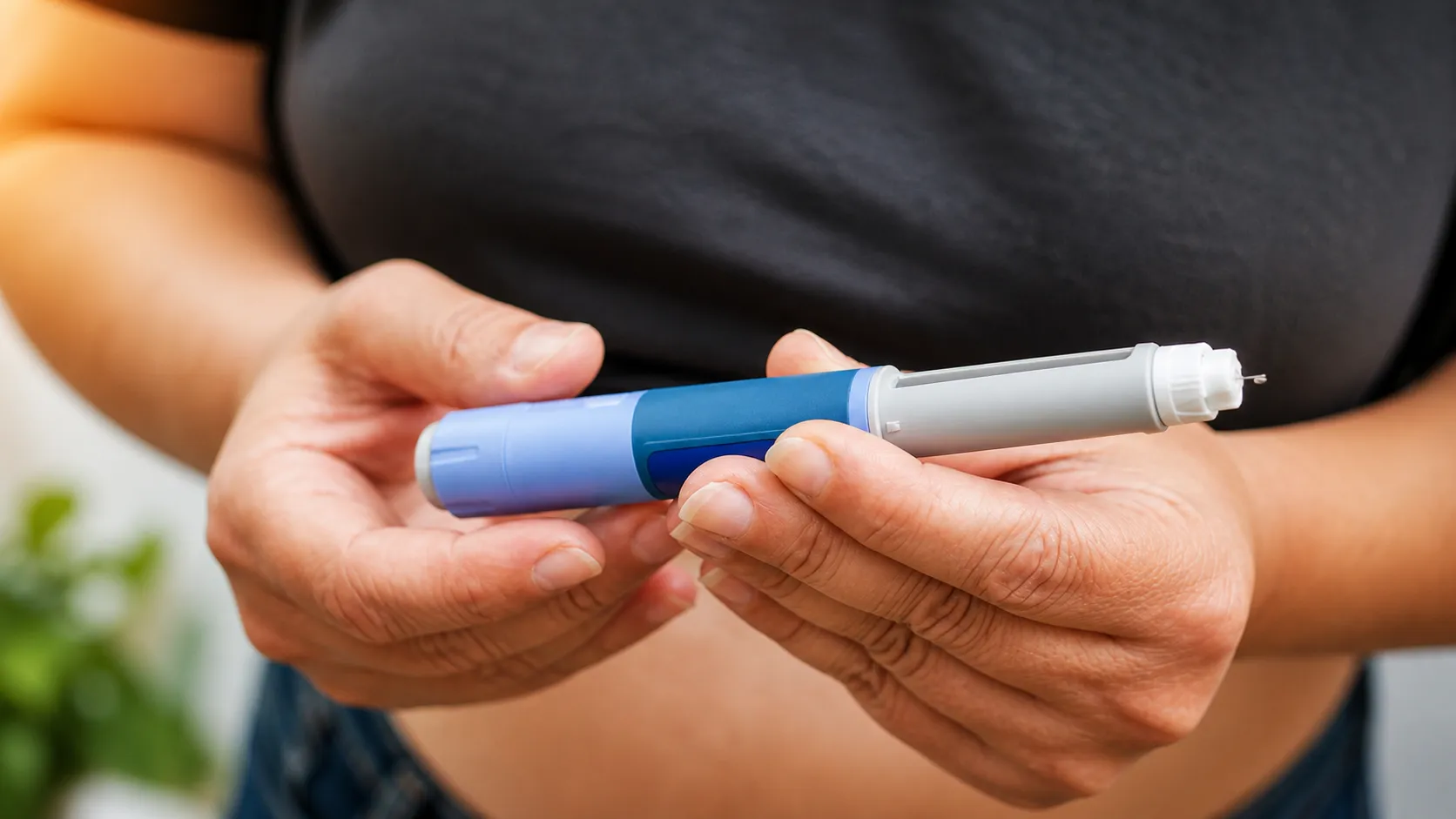
People taking GLP-1 weight-loss medication may be at risk of developing a gradual muscle-wasting issue without knowing it, according to a health expert, who also pushed back on a common misunderstanding about how the drugs work.
GLP-1 treatments, including medicines such as semaglutide and tirzepatide, are widely used to curb appetite and help people lose weight. But because they can make it easier to eat much less, the quality of those smaller meals matters. Without enough protein, energy, and key micronutrients, some people may lose more lean tissue than they realize while the pounds come off.
Experts say the main concern is not that GLP-1s “cause” muscle loss on their own, but that rapid or substantial weight loss of any kind can reduce lean mass if nutrition and strength training are not part of the plan. That is especially important for older adults, people already at risk of frailty, and anyone losing weight quickly or eating very small portions for long periods.
Sarcopenia is the age-related decline in muscle mass, strength and physical ability. While it normally develops over time, failing to get enough protein, vitamins and minerals during treatment may accelerate the problem.
The Cleveland Clinic says the process can begin in the 30s or 40s, with adults typically losing muscle gradually each decade, and the decline can speed up later in life.
Describing what happens in the body, the clinic said:

The clinic experts added: “Over time, both the size and number of your muscle fibers decrease. This causes muscle atrophy (thinning), weakness and slower movement.”
One of the biggest clues that muscle is being affected is a change in function rather than scale weight alone. Feeling weaker, struggling with stairs, losing grip strength, tiring more easily, or moving more slowly can all be signs that muscle is being lost alongside body fat.
Sobia Qasim, Superintendent Pharmacist at Curely, said: “One of the biggest misconceptions is that weight loss medication does all the hard work. While these medicines help reduce appetite, they don’t replace the need for good nutrition.
“When you’re naturally eating much smaller portions, every meal becomes more important. The goal shouldn’t just be to lose weight, it should be to lose body fat while preserving muscle, strength and overall health.”
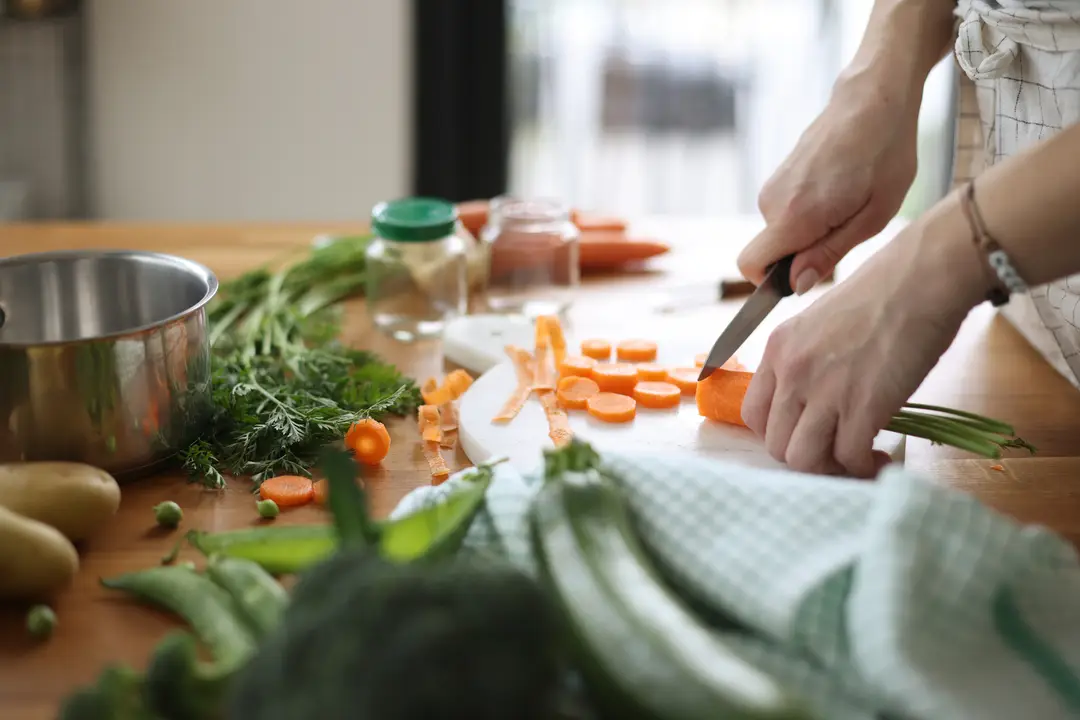
Qasim said that focusing only on the number on the scale can distract from what really matters during treatment, especially when it comes to getting enough protein and other essential nutrients.
“You may lose lean muscle during the process, that’s why choosing nutrient-dense foods is so important,” he urged.
The advice is not simply to eat more, but to make smaller meals work harder nutritionally. Qasim suggested that many people wrongly believe they need extremely large portions to protect muscle while on these medications.
Qasim added: “People often assume they need huge portions of chicken or protein shakes, but many simply don’t feel hungry enough for that while taking GLP-1 medication.”
Alongside diet, exercise can also play an important role in preserving muscle while losing fat.
“We encourage patients to include resistance exercise where appropriate, whether that’s weight training, resistance bands or bodyweight exercises.
“Muscle is incredibly important for long-term health, mobility and maintaining weight loss.”
Health experts generally recommend aiming for adequate protein at each meal, rather than trying to “catch up” later in the day, and combining that with regular strength-based exercise. For some older adults or people at higher risk of muscle loss, clinicians may suggest higher individualized protein targets and a more structured exercise plan.
If someone taking a GLP-1 medicine notices marked weakness, difficulty with everyday tasks, or a noticeable decline in physical function, it is worth raising the issue with a doctor or pharmacist. The goal of treatment should be to improve health overall — not just reduce the number on the scales.