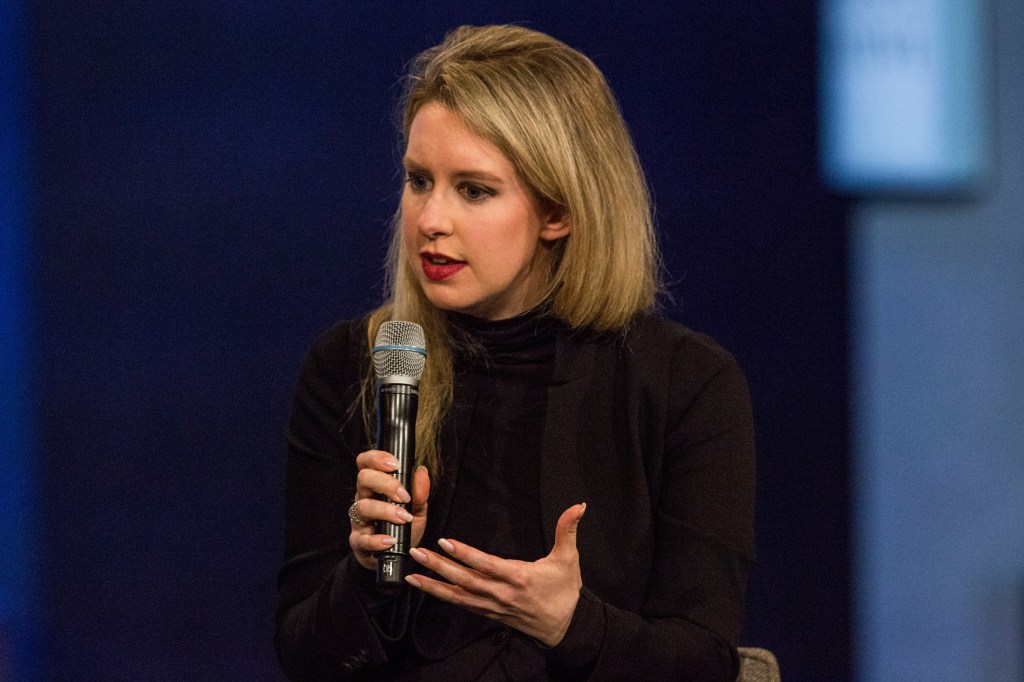

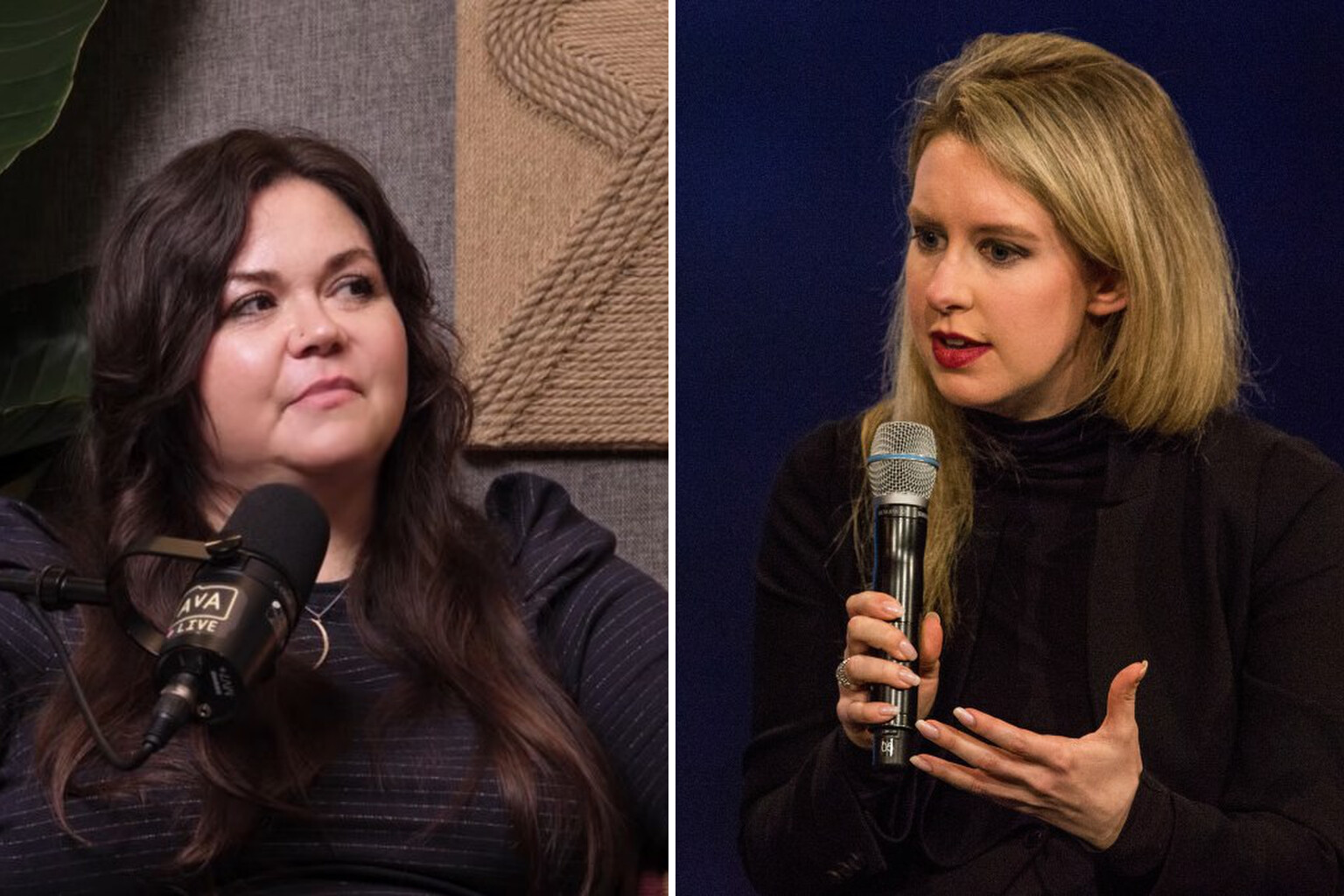
Aria Marinelli has detailed the warning signs she noticed while working as Elizabeth Holmes’ assistant at Theranos.
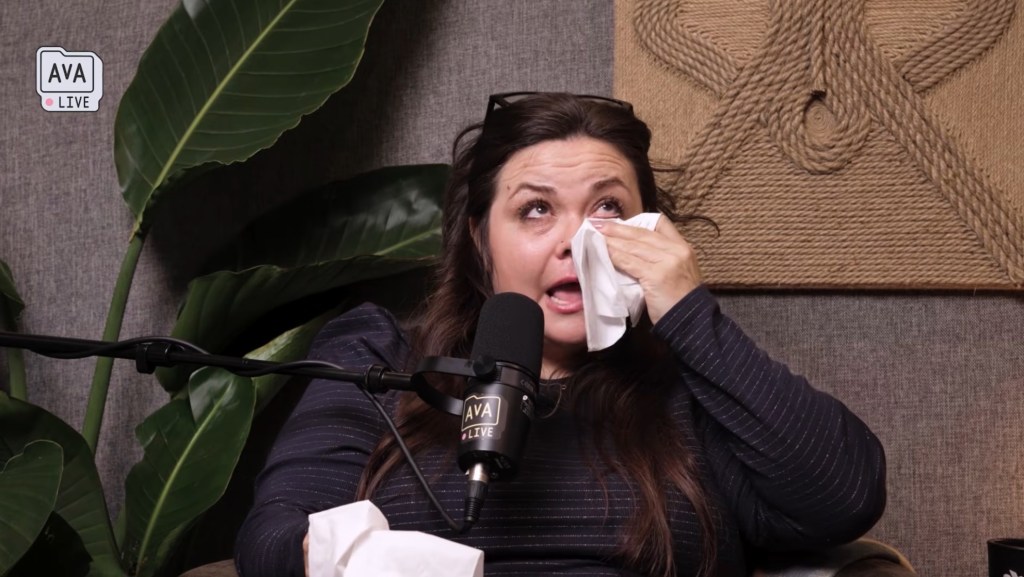
Marinelli, who gave her first on-camera interview Tuesday on the “AvA Live” podcast, recalled being hired by Holmes in 2009 — six years before the blood-testing company’s collapse. She described “green flags on paper” during the lengthy interview process, which stretched across five months, but said the salary offer immediately gave her pause.
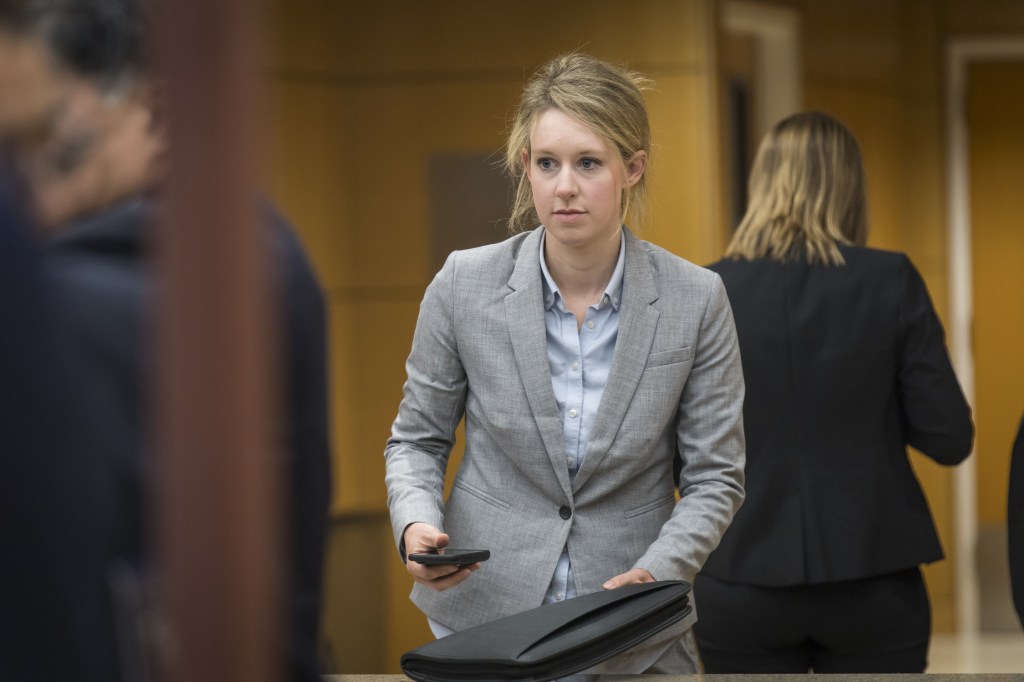
“Everywhere I was interviewing was offering me almost half of what I’d been making and that was the norm,” Marinelli explained on the podcast. “Theranos, which had just apparently gotten a new infusion of seed money … offered salaries pretty well above pay grade for getting someone groceries.”
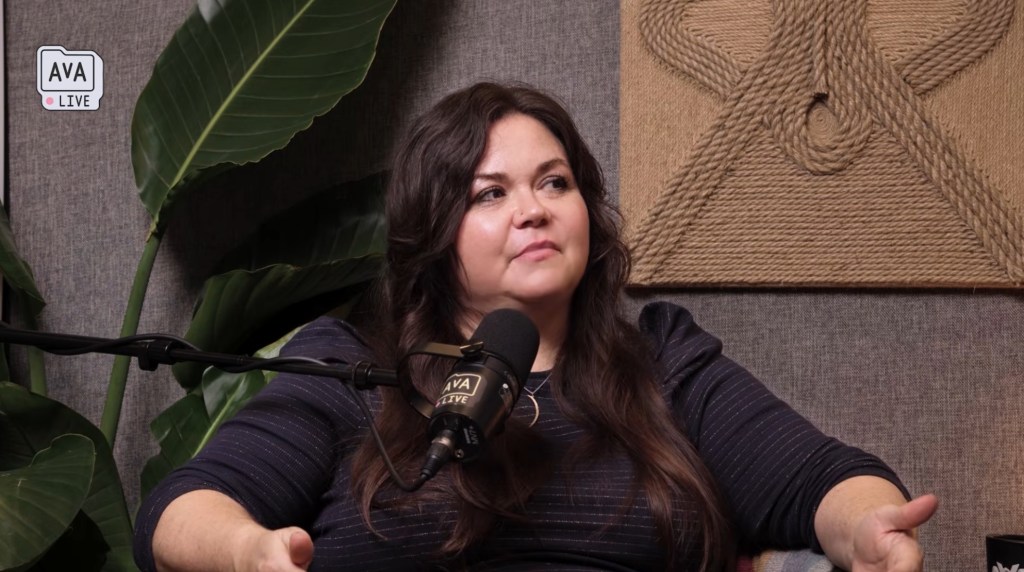
The pay bump struck her as “a little odd” given the “very bad economic recession” at the time, though she found it “exciting and awesome” as a job seeker. Despite feeling that “something about [the job] didn’t sit right,” she accepted the position as Holmes’ executive assistant.
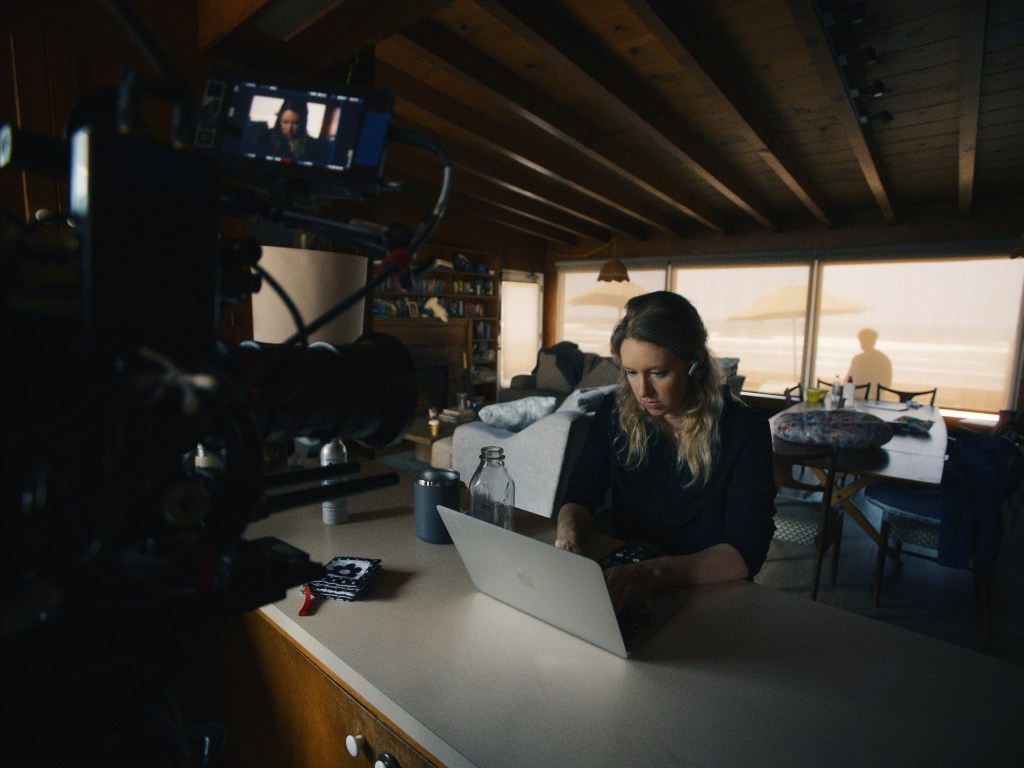
Marinelli’s suspicions escalated quickly once she started. “I was being completely underutilized,” she recalled. “If they had so much going on and I was drilled in interviews for five months, then where was that work?”
The absence of any visible laboratory became what she called the “biggest thing” that “stuck out” during her tenure. “There was an area that looked like it was going to be a lab. I did ask about that … and I remember being told, ‘Oh, it’s offsite,'” she remembered. “But I never saw anybody in that time frame that was working in a lab or was from that lab.”
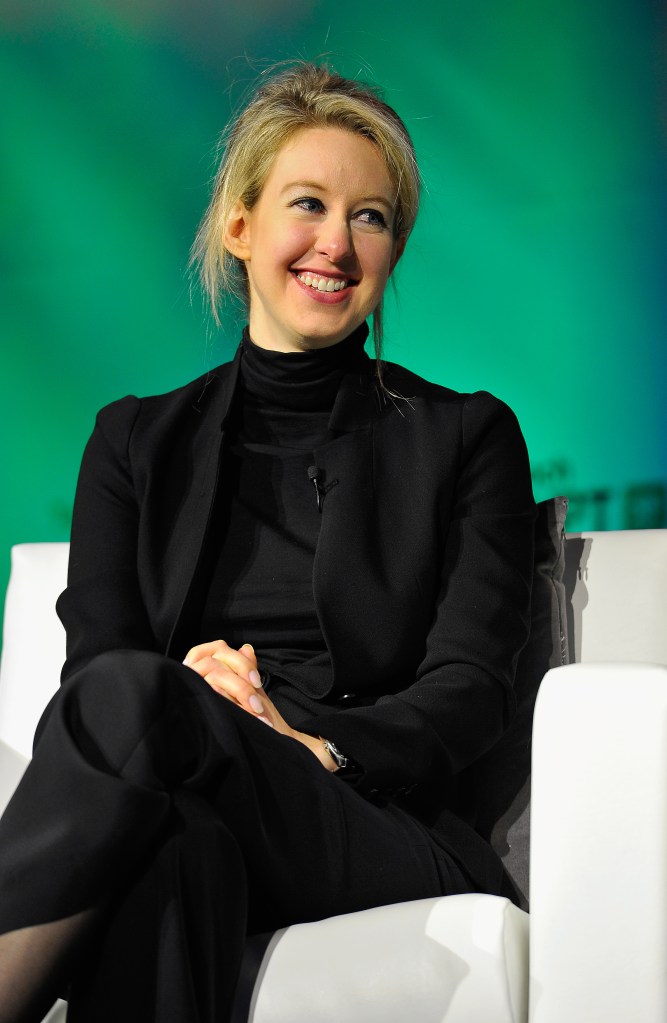
Marinelli acknowledged that “it is perfectly feasible there was a lab” she simply “didn’t know about.” She also noted the board lacked medical doctors, though she “was willing to dismiss that” because the startup “did have prestigious people on the board” and was “just getting started.”
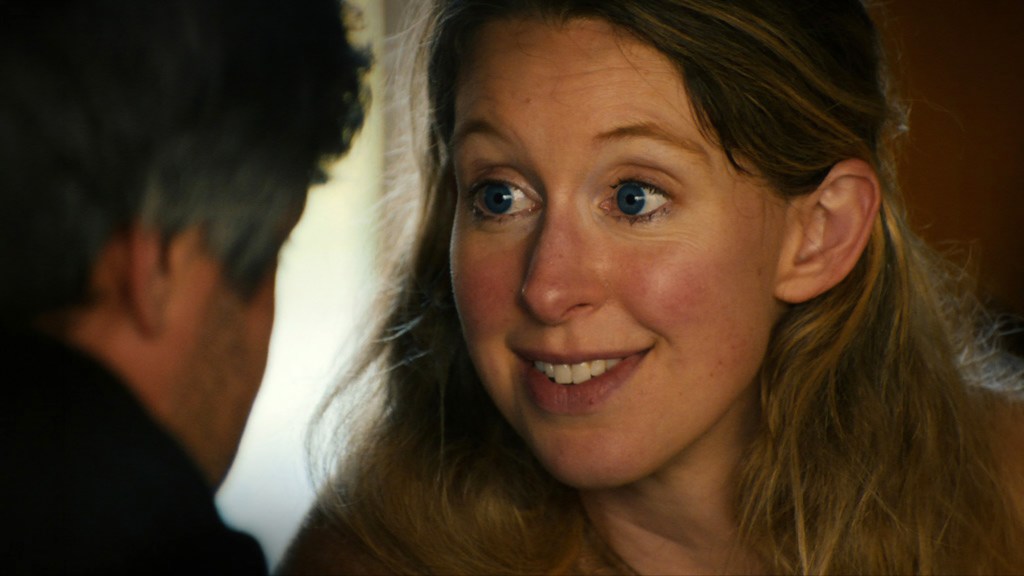
Her grievances extended to Holmes’ conduct as a boss. Marinelli described pressure to work through her grandmother’s death and an emergency demand made during a holiday. She had previously published these same stories in a Substack essay earlier this month.
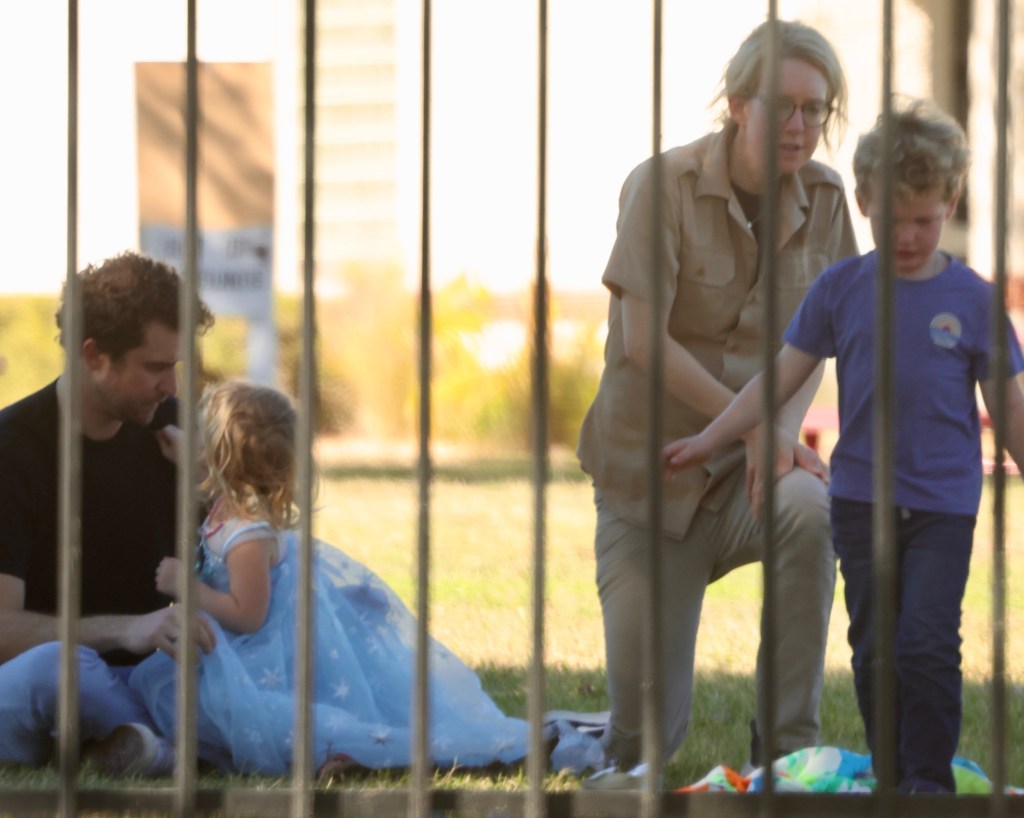
The timeline of Marinelli’s employment at Theranos remains unclear. At the time she was hired, Holmes was a Stanford University dropout running a company that claimed to be revolutionizing blood testing with minimal sample requirements. The business attracted intense media attention and high-profile investors before investigative reporting in 2015 exposed serious flaws in its technology. Federal regulators shut down Theranos’ lab in 2016, and Holmes was ultimately convicted of fraud and sentenced to 11 years in prison. She reported to prison in 2023 after filming Nathan Fielder’s documentary “You Can See Everything,” which was released in theaters last month.
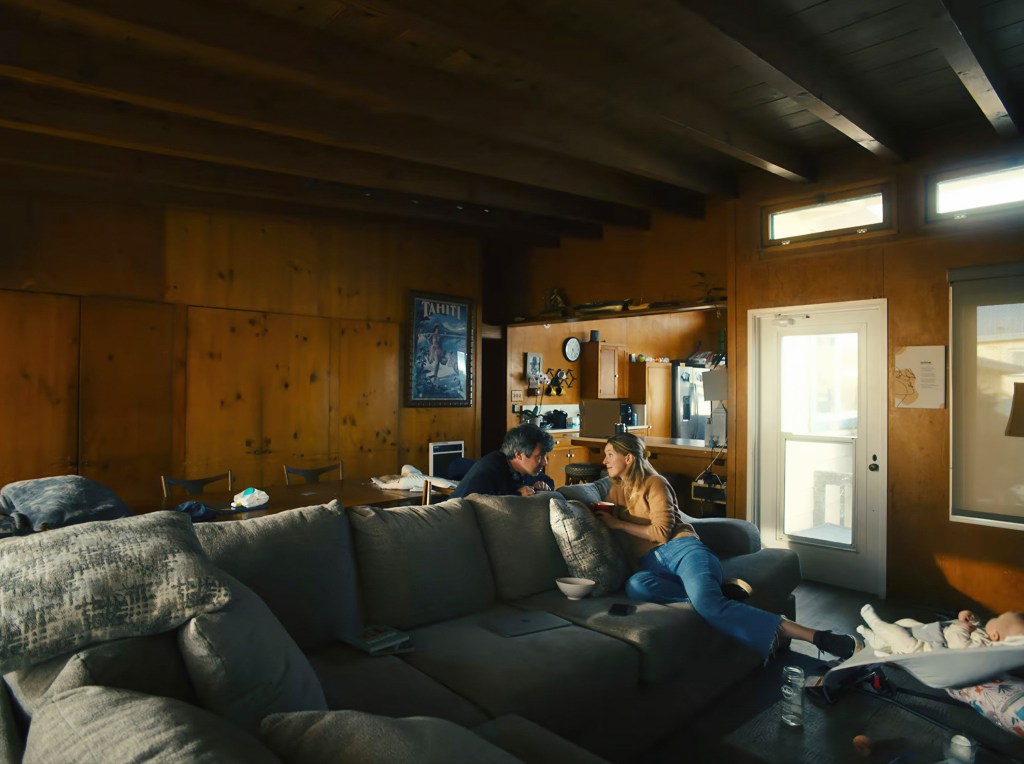
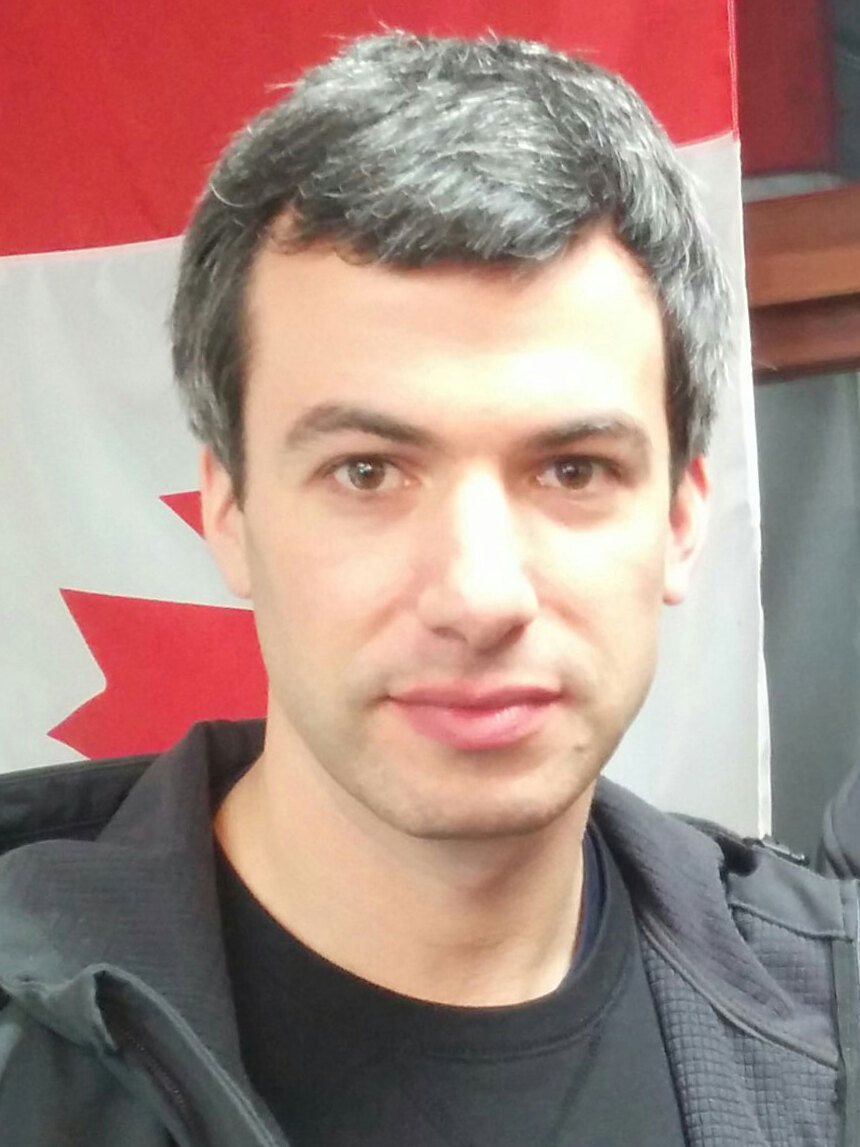
Marinelli addressed the documentary during her podcast appearance, saying she could have “written a dissertation” on it. “Sometimes saying little is the loudest thing you can do,” she said of Fielder’s approach. “He let her present herself in the way she wanted to be presented.”
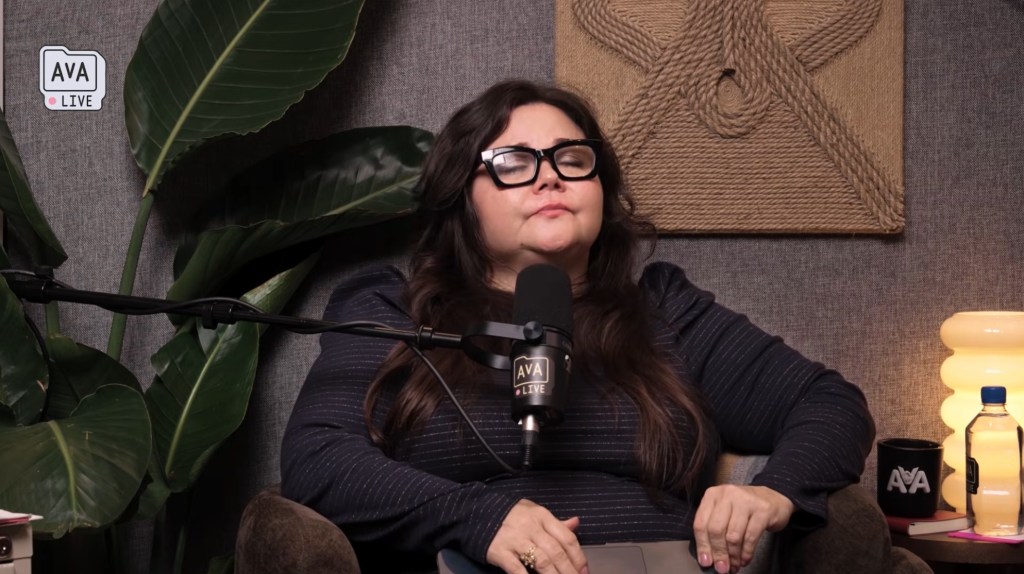
When asked whether Holmes “is a sociopath or has neurodivergence,” Marinelli declined to speculate. “I refuse to diagnose someone or make that leap to say ‘yes’ or ‘no’ to any of those things,” she stated on the podcast.
Holmes, now serving her sentence, became one of the most notorious figures in Silicon Valley history after her company’s downfall. The Theranos scandal has spawned multiple documentaries, podcasts, and dramatizations, with Marinelli’s account adding a rare firsthand perspective from inside Holmes’ inner circle during the company’s early years.
Marinelli’s decision to go public follows years of relative silence about her time at the company. Her Substack essay and podcast interview represent her most extensive comments to date on the experience that she said left her with persistent questions about what she witnessed — and what she did not.