


If you’ve got dreams of becoming a centenarians, some new research has determined how likely it’ll be that you’ll hit 100.
Only a small slice of the US population reaches triple digits, so for most people it won’t happen.
Still, studies like this can offer a clearer idea of the odds — and point to the kinds of factors that may influence how we age.
Scientists have been trying to decode longevity for decades. Some people even shape their entire routines around extending lifespan (Bryan Johnson, I’m looking at you), while researchers compare those who live past 100 to identify patterns.
The challenge is that centenarians often credit very different diets, habits, and lifestyles for their long lives, making it hard to pin down one universal “secret.”
Now, new findings suggest there may be measurable biological markers tied to exceptional aging.
The short version: your daily choices matter, but so does your biological makeup.
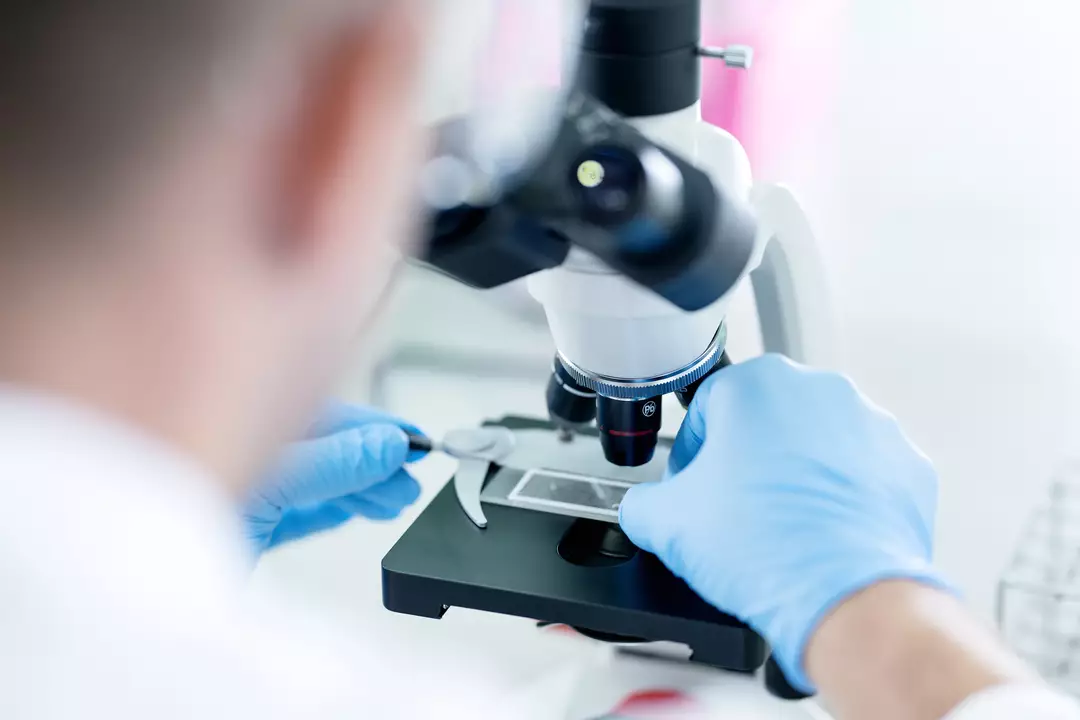
The work began when Karl-Heinz Krause, professor emeritus at UNIGE’s Faculty of Medicine and a co-author of the study, and his colleagues examined blood samples from centenarians, people in their 80s, and adults aged 30 to 60 to see what differences stood out.
After measuring 724 proteins in blood serum, the researchers found that people who reached 100 tended to show a distinct aging profile. In particular, they had 37 proteins that looked more like those usually seen in younger groups.
Those proteins may be an important part of the puzzle.
The study reports that five of the proteins were associated with oxidative stress, which the Cleveland Clinic describes as ‘an imbalance of free radicals and antioxidants in your body that leads to cell damage.’
According to the clinic’s website, oxidative stress ‘plays a role in many conditions like cancer, Alzheimer’s disease and heart disease’ and can be triggered by things such as toxins in cigarette smoke or other ‘environmental irritants’.
In simple terms, if free radicals outnumber antioxidants, the risk of damage in the body rises.
What surprised researchers is that the centenarians had fewer antioxidant-related proteins — yet it didn’t appear to harm them the way it might in other populations.
“The answer is very clear: centenarians have significantly lower levels of antioxidant proteins than the standard geriatric population,” said Krause.
“At first glance this seems counterintuitive, but it shows that because oxidative stress is so much lower, they simply need fewer antioxidant proteins to keep it in check,” he said.
The researchers also noted that proteins involved in maintaining tissue strength remained at levels comparable to those seen in younger participants.
They observed lower levels of proteins tied to fat metabolism — something that often shifts upward with age — along with differences involving a protein that breaks down GLP-1 (DPP-4).
The overall takeaway is that minimizing exposure to toxins, supporting the body with antioxidants, and having favorable genetics may all play a role — and together could improve the chances of reaching an age similar to those in the study.