

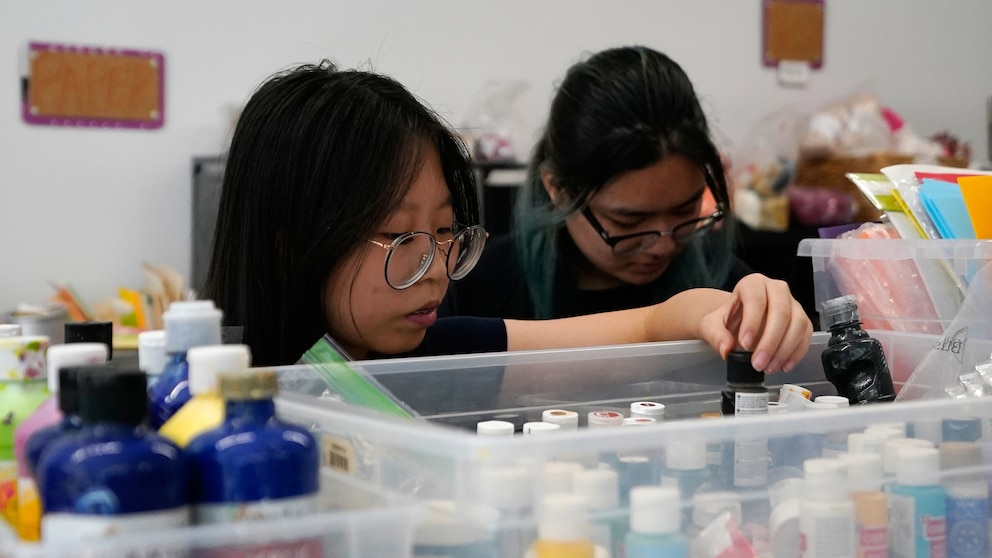
Hundreds of creative reuse centers across the United States operate with a singular mission: transform discarded art supplies into affordable treasures for artists, students, teachers and makers of all kinds. These nonprofit shops function as thrift stores specifically designed for crafting materials, offering abandoned paint brushes, unused yarn, leftover fabric and countless other supplies at steeply discounted prices—a model that simultaneously addresses a persistent affordability challenge for creative pursuits while diverting tons of waste from landfills.
At Brooklyn Creative Reuse, a customer named Charlene Catalano recently purchased yarn, crochet kits, hooks, labels and assorted materials for just six dollars—items she would have paid significantly more for at traditional retailers. Her experience reflects a broader pattern: art has become increasingly expensive, making secondhand supplies an essential option for budget-conscious creators. “Nowadays, art is popping off, so things are more expensive,” Catalano explained after her shopping trip to the Brooklyn store.
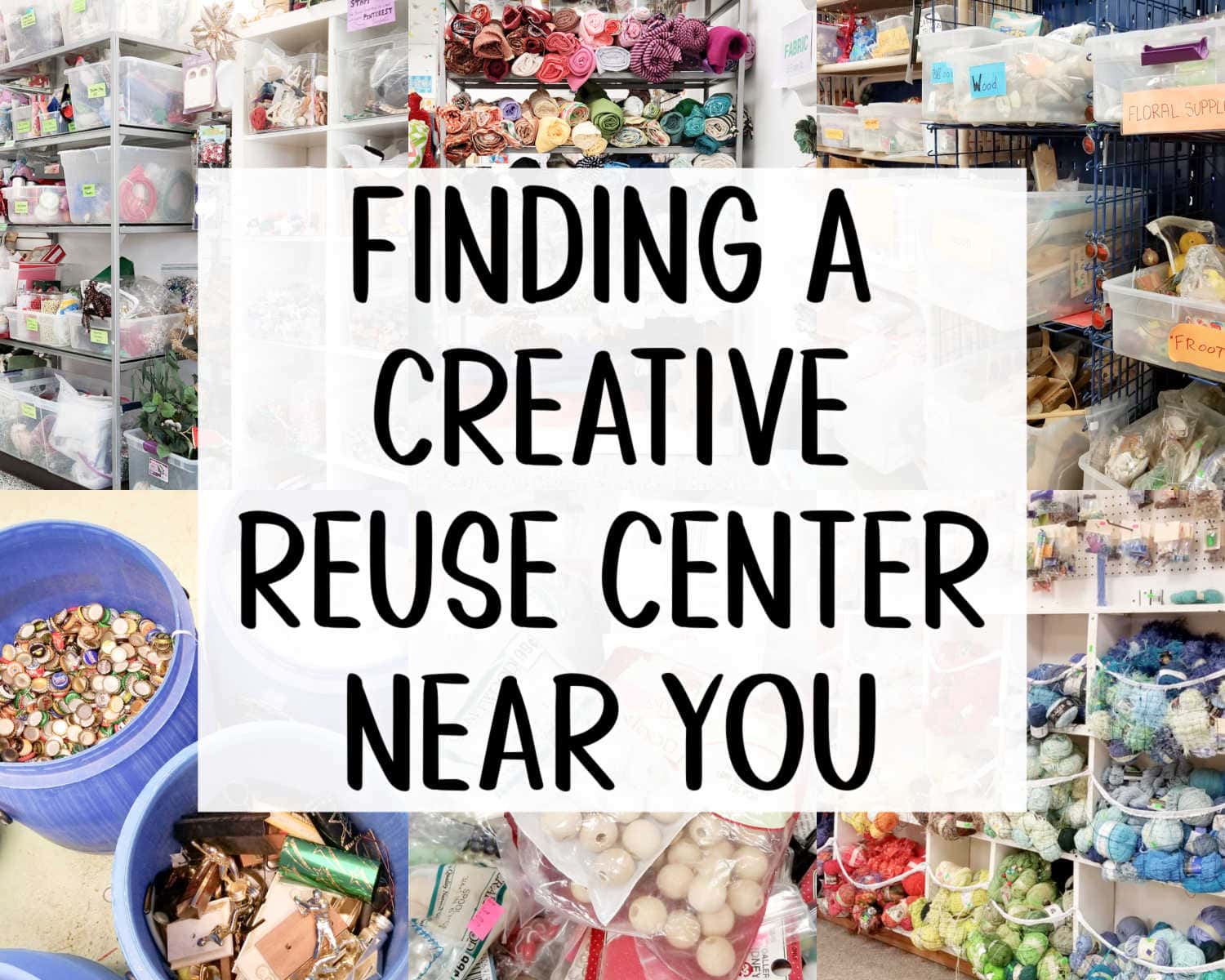
Creative reuse centers operate by collecting donated arts and crafts materials from individuals, artists, schools and local businesses, then sorting and reselling them at accessible prices. Brooklyn Creative Reuse, among hundreds of similar facilities nationwide, typically prices most supplies at three dollars per pound, though some items are priced individually. The affordability extends beyond price: at these centers, crafters can purchase small quantities—a few ribbons or fabric scraps—rather than being forced to buy entire spools or bolts of material, making supplies more accessible for people taking on small projects.
The scale of these operations is substantial. At Scraplanta Creative Reuse, a network of two reuse centers and a pop-up shop in Atlanta, organizers collect nearly seven thousand pounds of supplies each month. These materials are then sold to teachers, parents, teenagers in sewing circles, college professors and other community members. Executive director Jonelle Dawkins emphasizes the practical value driving the model: “We see the value in that half bottle of paint or glue because if it’s still usable, there’s someone who just needs that for their project.”
Beyond affordability, creative reuse centers address environmental imperatives that have become increasingly urgent. Art supplies exact a measurable toll on the environment across their entire lifecycle. Producing paint requires significant water and energy resources—specifically, it takes thirteen gallons of water to produce just one gallon of paint. Manufacturing, packaging and shipping additional supplies compound this resource consumption. When art materials are discarded and end up in landfills, the environmental costs multiply.
The degradation process itself poses environmental hazards. In landfills, synthetic paintbrush bristles can take hundreds of years to degrade, while their plastic handles take up to a thousand years. When paints break down, they release microplastics and heavy metals like cadmium and cobalt into surrounding soil and water. As environmental scientist Zoie Diana of Barnard College notes, “Basically, our paint is plastic.”
Creative reuse centers prevent these outcomes by keeping materials out of landfills entirely. Centers across the country report saving thousands of pounds of materials monthly from disposal. The Houston Center for Creative Reuse has diverted more than 1.5 million pounds of reusable materials from landfills since its inception. Materials for the Arts, a 25,000-square-foot warehouse in Long Island City, redistributes more than six million dollars in supplies annually while removing hundreds of tons from the waste stream each year.
Julian Silverman, a materials scientist at New York’s Fashion Institute of Technology, emphasizes the multifaceted benefits of creative reuse: “Reducing waste is the first benefit. But also, you can be more creative when you’re in a large warehouse and looking at things that you could not source yourself.” The abundance and variety of available materials—accumulated from hundreds of donors—often sparks inspiration that purchasing brand-new supplies might not provide. Some centers further expand creative possibilities by offering classes and workshops alongside retail shopping.
For those inspired to take creativity further, household items offer additional opportunities. Silverman demonstrates this approach by boiling down onion skins and beets into colorful inks for tie-dye projects, and recommends upcycling old makeup into paints and inks. “You don’t need to spend any money to get walnut shells, for example, and play with those,” he suggests.
The movement has not gone unnoticed by those working in the arts. Artist and teacher Rosina Morelli discovered paint supplies at Brooklyn Creative Reuse and subsequently began rethinking her own resource management. “What I’m most happy for is my chance to donate stuff, not buy stuff,” Morelli said, “so that I can give it to other people that are going to be excited and use it, instead of me just throwing it out.”
The proliferation of creative reuse centers reflects growing recognition that sustainability and artistic accessibility need not exist in tension—they can reinforce each other. Whether motivated primarily by budget constraints or environmental concerns, creators increasingly find that the secondhand marketplace for art supplies represents an opportunity both practical and principled. In communities with established creative reuse centers, the model continues expanding, demonstrating that one person’s discarded materials can become another’s medium for expression.