

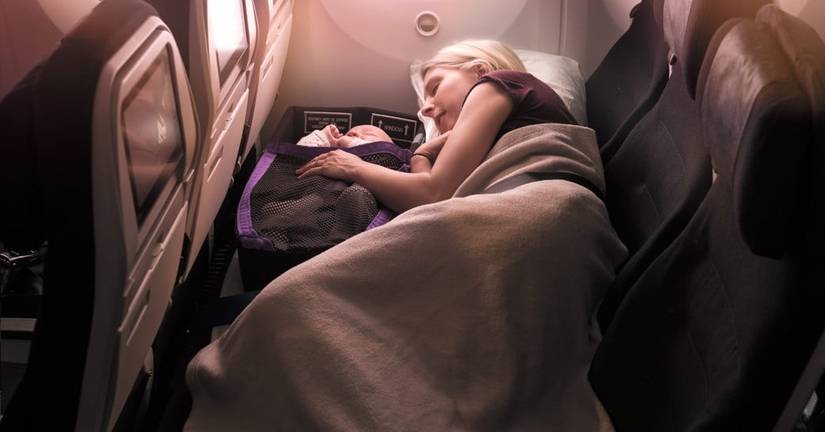
The Boeing 787 Dreamliner’s revolutionary cabin design helps passengers arrive relatively more refreshed and a little less jet-lagged.
The Boeing 787 first entered service in 2011, and it offered a range of innovations to increase passenger comfort and decrease jet lag.
The jet tackles a problem that’s plagued air travel for decades.
Jet lag can be one of the most annoying parts of flying long distances and is classified as a type of circadian rhythm sleep disorder.
Unlike older aircraft that pressurize cabins to simulate an altitude of 8,000 feet,
the Boeing 787 is not primarily constructed out of aluminum; its extensive use of advanced materials allows the cabin to be pressurized to 6,000 feet (the same for the A350).
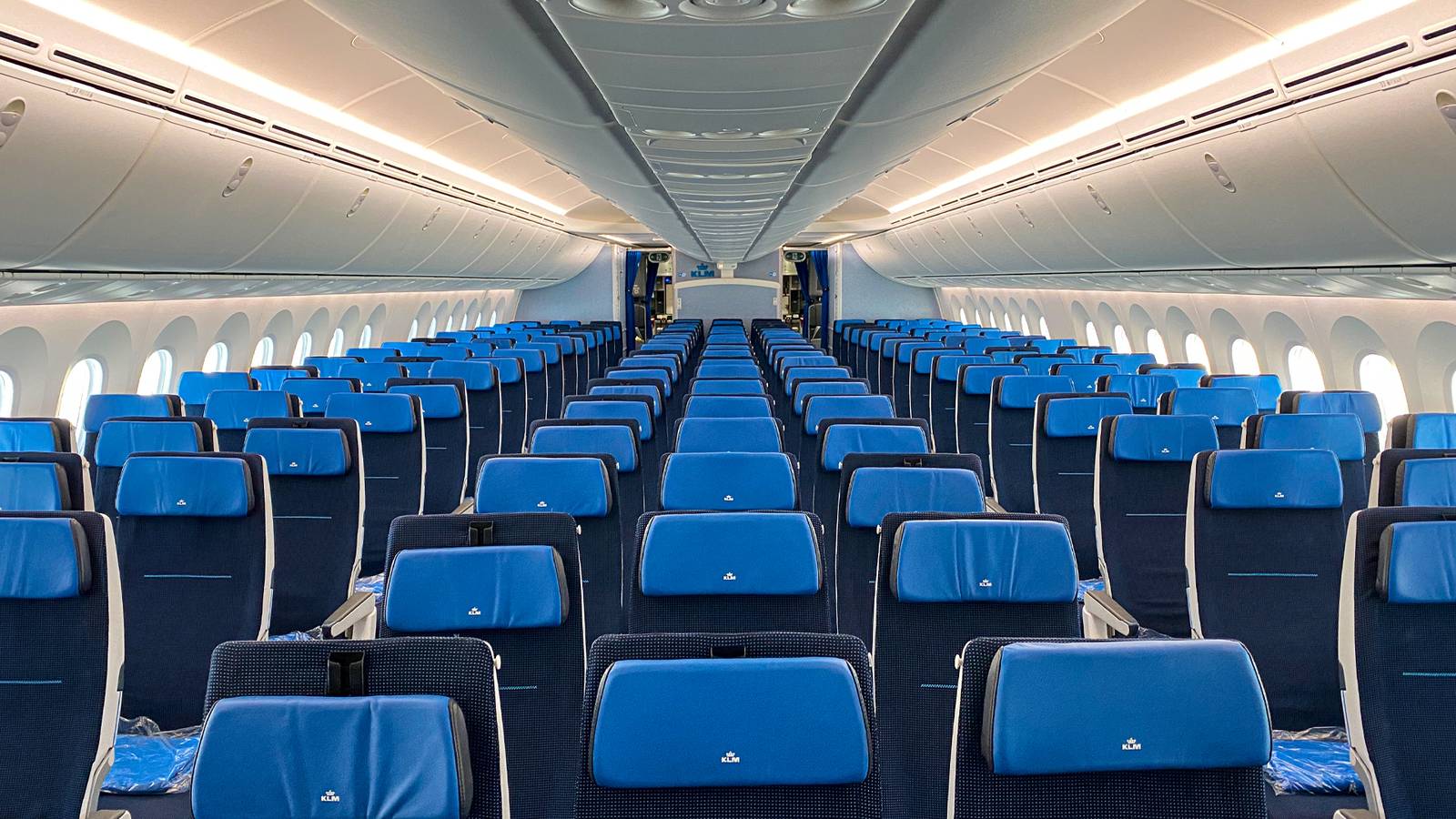
By pressurizing the cabin more, passengers will feel less fatigue, and this can help ease symptoms associated with jet lag.
That oxygen boost matters on long-haul flights.
The Boeing 787 increases the cabin humidity from the previous 4-7% on older aircraft to 15-25%.
Low humidity can cause passengers to have dry noses, dry eyes, and a sore and parched throat after long flights. The Boeing 787 increases the cabin humidity from the previous 4-7% on older aircraft to 15-25%.
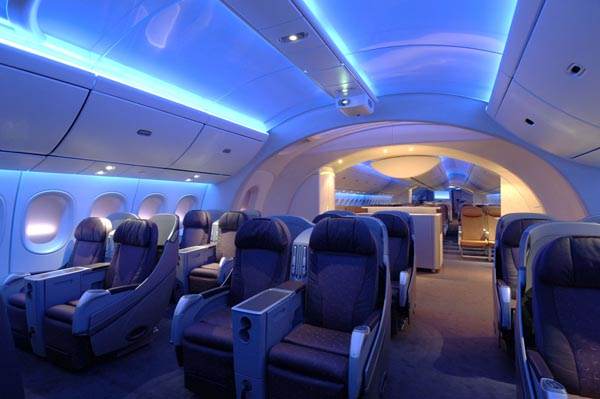
The cabin’s LED lighting system is another key innovation.
Another feature is the Boeing 787’s LED cabin lighting system. These are able to simulate sunrise and sunset and help sync passengers with the aircraft’s destination’s time zone.
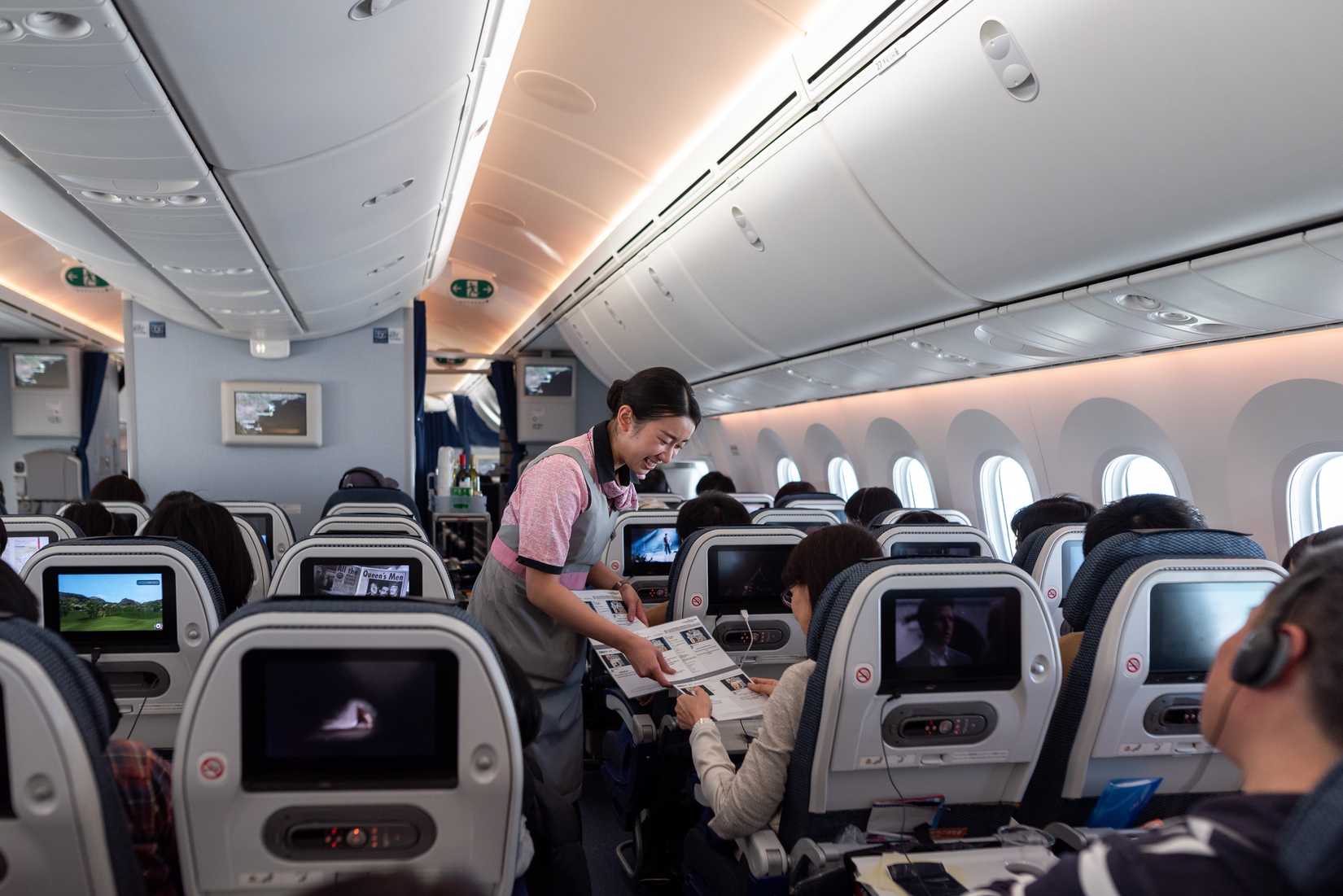
In other words, the Boeing 787 can begin the work of adjusting people to the change of time zones before passengers even get there.
The lighting shifts gradually through the flight.
They gradually shift from warm sunrise colors to cool midday blue, then to sunset oranges and deep blues. The intent is to reduce the jarring effects of time zone changes.
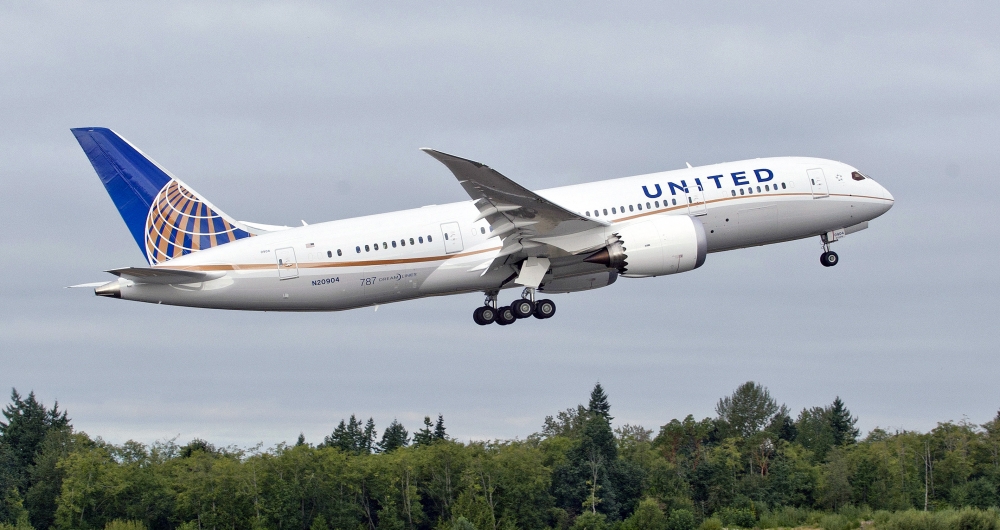
Windows matter too for passenger sleep and circadian adjustment.
Even the large, dimmable windows can play a role. The airline is able to dim these windows to encourage passengers to get the sleep and rest that they need during the best phase of the flight.
The plane also filters the air differently than conventional jets.
In a world first for commercial airplanes, Boeing has installed a filtration system that removes gaseous irritants and odors from the airplane cabin, as well as allergens, bacteria and viruses.
“The idea is that we impact the environment within the plane to make changing time zones easier,” said Mike Sinnett, director of systems for Boeing’s 787.
Boeing discovered something surprising during cabin testing.
Boeing was very surprised that VOCs, more than humidity, affect how people feel at the end of a flight. Airplane builders have done a good job with particulates (airborne particles) using High Efficiency Particulate Filters (HEPA) but getting gaseous contaminates out of the air has been more of a challenge – but one of real importance. During the development of the 787 Boeing found that data coming from its cabin test chambers showed that VOCs were contributing more to people’s feelings of being dried out than earlier thought.
The 787 is not alone in offering these features.
While the Boeing 787 is not unique in this regard, as most of the innovations are also found on the Airbus A350, it was the first airliner to offer this level of passenger comfort.
Two new wide-body planes, the Airbus A350 XWB and the Boeing 787, have bigger windows that let in more natural light, bathrooms that don’t feel claustrophobic, and mood lighting that can limit jet lag.
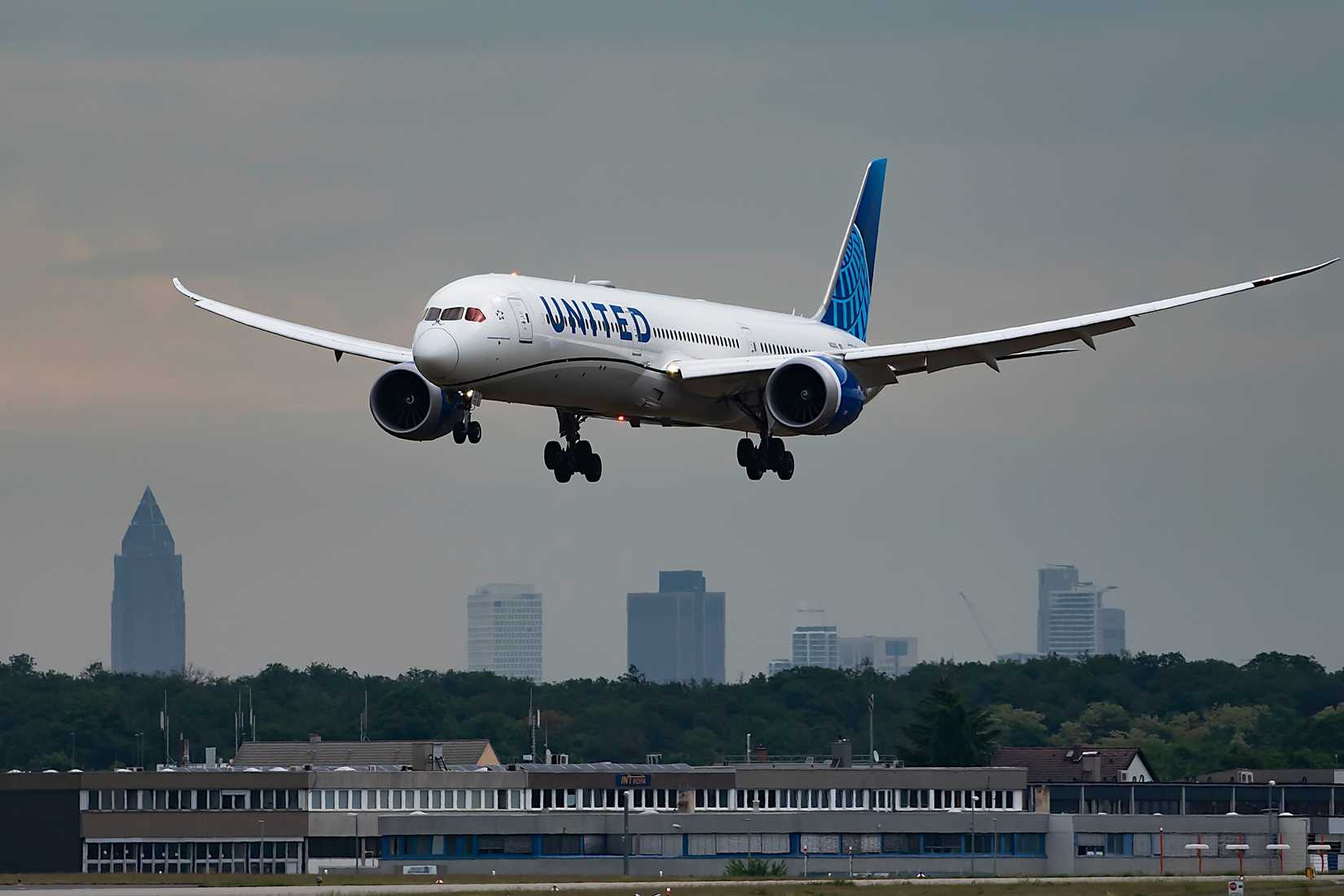
Airlines worldwide are betting on the 787 to compete for premium passengers.
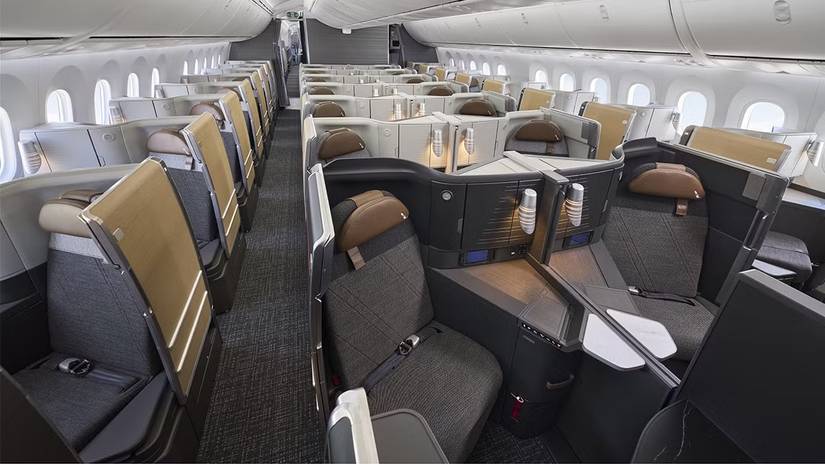
Airlines are spending large sums to stay ahead of competitors, especially on cabins for new flagship aircraft such as the Boeing 787 Dreamliner. While US carriers such as United Airlines and American Airlines are at the center of this, other airlines around the world are introducing new and exciting products.
The airline plans to bring 17 examples of the 787 into its fleet, supporting a network of 12 long-haul destinations from Seattle by 2030.