

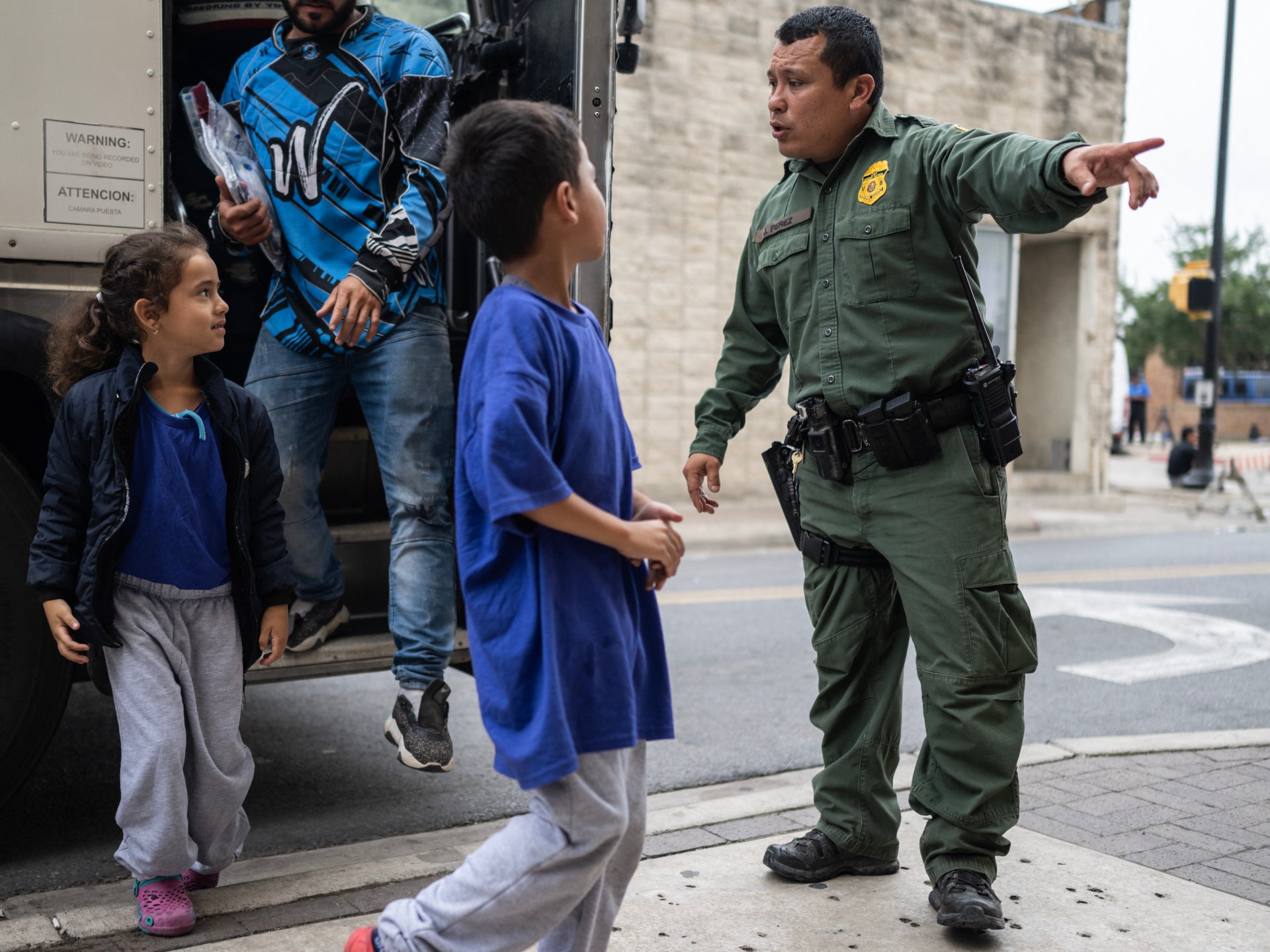
Advocates warn that tens of thousands of migrant children who came to the United States alone could lose legal representation in immigration court and face increased deportation risks as the Trump administration allows a federal contract with legal services providers to expire.
Friday marked the last day of a contract under which the federal government pays for legal services for unaccompanied children entering the country without a parent or guardian. The government contracts out these services to a network of nearly 100 legal groups across the country that provide representation to roughly 20,000 to 26,000 children.
The Acacia Center for Justice, the primary contractor managing the program, was told by the Department of Interior on Friday that the contract was being partially terminated, ending funding for direct legal representation and attorney recruitment. The only funding that remains is for “Know Your Rights” informational presentations given to children in detention centers.
According to court documents, organizations collectively receiving over $200 million in federal grants were told the contract was being terminated “for the government’s sole convenience.”
The Trump administration did not immediately respond to a request for comment on why it was allowing the contract to expire. However, the decision comes as the administration has redoubled its efforts to achieve its policy of mass deportations, with migrant children becoming a specific target for removal during the first year of the president’s second term in office.

As part of the expiring contract, legal groups were able to enter government-funded shelters, give presentations to children about their legal rights, and directly represent the children as they proceeded through immigration court. Legal aid providers say it’s unclear what will happen starting Monday or whether they’ll be able to visit their clients in the shelters where they live.
“We have no understanding of what’s going to happen to those children come next week,” one legal director said.
The end of the contract comes after legal service providers say they have not been paid for more than half a year. The organizations report that the Trump administration has been withholding payments while demanding detailed information from providers about their clients—information the providers say they have never been asked for before and that they ethically cannot provide.
Some groups have been trying to secure private funding to continue their work, while others have begun laying off staff and shuttering offices. ProBar in south Texas laid off 20 percent of its staff this week.
Mid-South Immigration Advocates, a nonprofit law firm based in Memphis, Tennessee, that helps over 400 unaccompanied minors, said it is owed over $500,000 from the federal government to reimburse it for work with the children. The organization has already laid off seven employees since 2025 and more layoffs are planned. It is closing its physical offices in Nashville and Memphis at the end of September and expects to close its law firm entirely soon.
Michael Lukens, the executive director for the Amica Center, which represents migrant children in the Washington, D.C., area, called the halting of funding “unlawful” and said: “It is particularly cruel to make children go to court alone, and it is a continuing expansion of Trump’s war against immigrants. And it’s sad that we’re now at a point where he has set his sights on children.”
The impact of losing legal representation is significant. Data shows that children with legal representation are granted relief in 73 percent of cases, compared to just 15 percent without attorneys—making them nearly five times more likely to gain protection and remain in the United States. In 2023, only 56 percent of unaccompanied minors in immigration courts were represented by counsel.
Unaccompanied children who arrive in the U.S. Are usually entrusted to government care and have various legal protections under the Trafficking Victims Protection Reauthorization Act of 2008. The law said the government should facilitate legal representation for children put into deportation proceedings. With some limited exceptions, it requires that children be placed in the “least restrictive setting possible,” which generally means they can be released to a sponsor, such as a relative in the U.S., while their immigration proceedings play out.
The children can also apply for a specially protected status if they cannot return to their home country because of abuse or neglect and can apply for asylum.
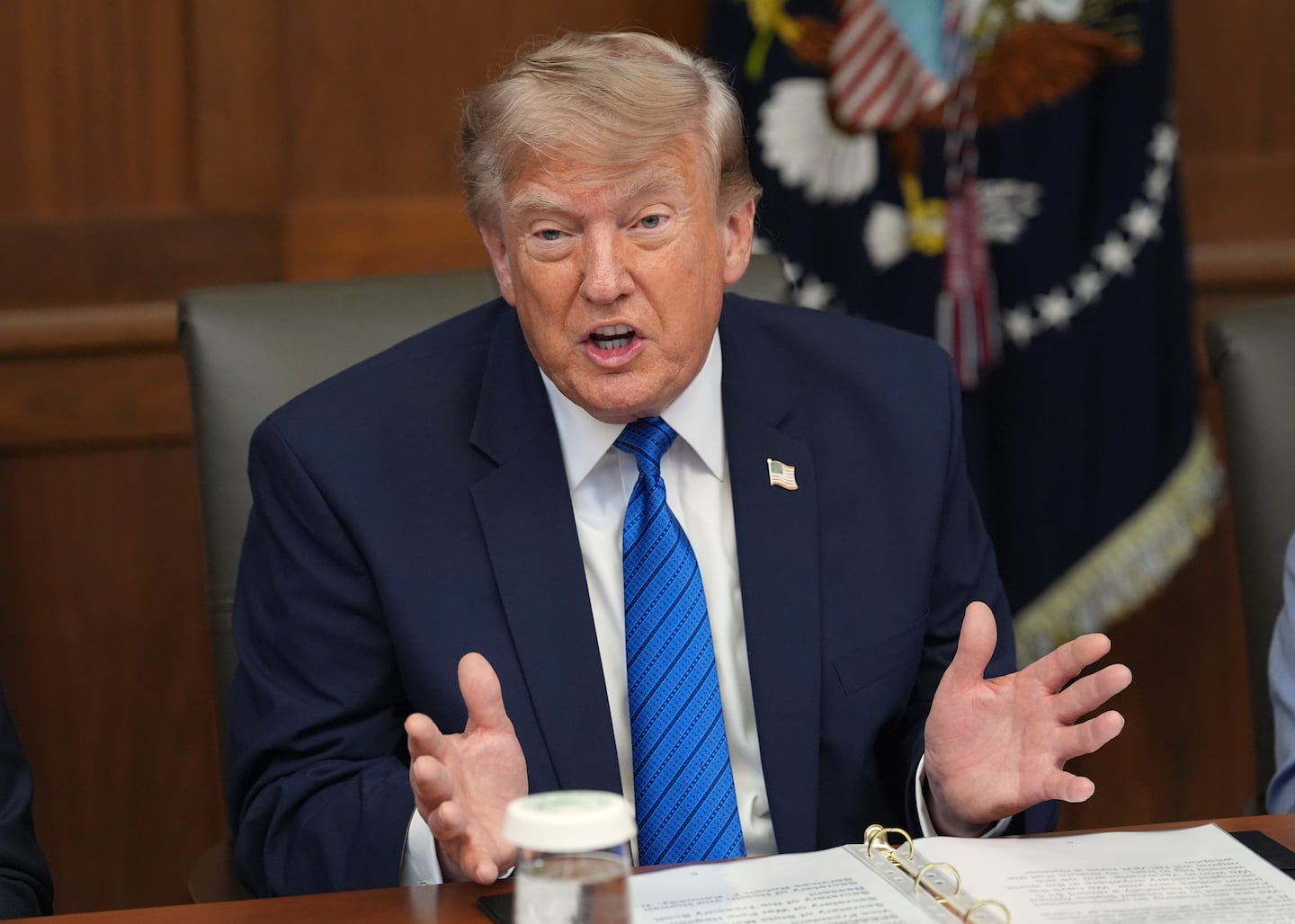
This is not the first time the Trump administration has attempted to cut off funding for the legal aid program. In March 2025, the administration terminated a contract that left approximately 26,000 minors without legal representation. A federal judge quickly issued a temporary restraining order to prevent the termination, and in April, another court ordered the administration to restore funding for legal service providers while litigation proceeds.
The situation puts child advocates in a difficult position. Migrant children traveling alone often flee violence, persecution, and trafficking in their home countries. Many are extremely young, some as young as 3 years old, unable to speak English, and unable to understand the complicated U.S. Legal system. In immigration courts, children are held to the same legal standards as adults and are expected to recount the horrors they have faced in court while an Immigration and Customs Enforcement prosecutor argues for their deportation.
Organizations providing legal aid say the expiration of the contract, combined with the administration’s failure to pay for services rendered over the past six months, will force many children to face immigration judges without an attorney to guide them through the process or explain their rights.