


Rick Ross has warned that cult recruitment can begin in places as ordinary as a Costco aisle.
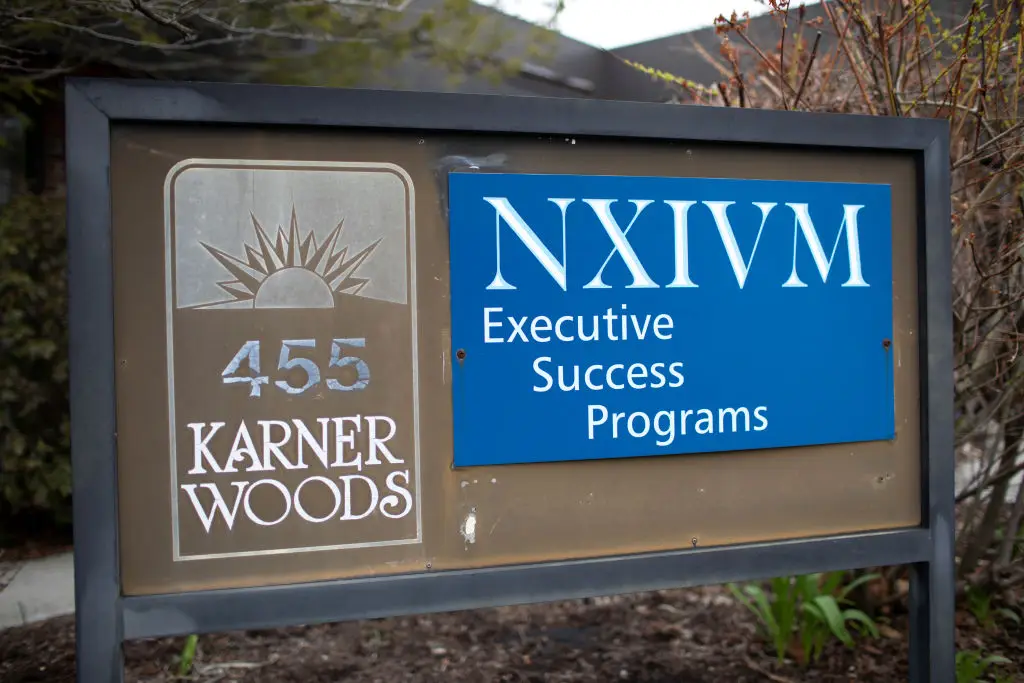
Ross, 72, a cult intervention specialist with more than four decades of experience, said that college campuses, shopping malls and big-box stores are all locations where people have reported being approached. He began this work in 1982 and has since conducted hundreds of interventions, including cases tied to the Branch Davidians during the Waco standoff and members of NXIVM, the organization led by convicted racketeer Keith Raniere.
“It can happen to anyone,” Ross said.

The specialist emphasized that intelligence offers no immunity. He said he has worked with graduates of Penn, Dartmouth, Harvard and Yale, and described deprogramming five medical doctors, among them an orthopedic surgeon and an anesthesiologist.
“I’ve deprogrammed five medical doctors, one an orthopaedic surgeon, another an anaesthesiologist, highly educated, sophisticated people who were nevertheless brainwashed by a destructive cult,” Ross said.
He added: “It’s absolutely possible for someone highly intelligent and sophisticated to be pulled in by a destructive cult.”
The deception, Ross explained, unfolds gradually rather than all at once. Recruiters rarely disclose what a group actually demands. Instead, the invitation may arrive disguised as “an exercise club,” “a yoga and meditation group,” “a therapy group,” “a self-help group” or even “a Bible study,” he said. Depending on circumstances, a diet program or multi-level marketing company might serve the same purpose.
“There’s a huge amount of deception involved, you’re really being conned,” Ross said.
The initial contact frequently exploits timing and trust. Someone who has lost a job, ended a relationship or suffered a death becomes vulnerable, and an invitation from a trusted source—a coworker, relative or close friend—can appear benign.
“It could be someone they trust: a coworker, a relative, a close friend involved in some group,” Ross explained. “They’re invited to a meeting or activity without really understanding what they’re being invited to.”
The pitch might sound as simple as: “I think this could help you, I know you’re going through a tough time.”
Ross said he receives constant inquiries from people approached while shopping, at malls or at community events by strangers who invited them to unspecified gatherings. He specifically named discount retailers such as Costco among the reported locations.
“Depending on where you are in your life, if you’re vulnerable, and depending on who’s making the pitch, you can be had,” he said. “Really, it comes down to circumstance: being vulnerable at the wrong time, and bad luck.”
Ross outlined warning signs that a group may be destructive. The treatment of its leader matters: “If a group is managed that way, so that there’s no valid basis to question what the leader says you must do, that’s a warning sign,” he said.
External relationships offer another indicator. “Are you still seeing old friends, spending quality time with family?,” Ross asked. Increasing isolation while group demands intensify can signal danger.
He also advised researching whether former members have filed repeated complaints or alleged harm and exploitation. A group that demonizes ex-members or instructs current ones to shun them may be assembling a pattern of authoritarian control.
Ross compared the progression to an abusive relationship, noting it can start with apparent unconditional affection or “love bombing” before escalating demands and isolation take hold. Once socially cut off, members lose access to outside perspectives.
“You’re not getting accurate feedback or an alternative perspective, you’re just being reinforced over and over, day after day,” he said.
The process moves in increments, he stressed: “You don’t get to the extreme part overnight, it happens in increments. You’re being spoon-fed, you’re being led, and you don’t fully understand where you’re being led to.”
Ross detailed his intervention approach in his book Cults Inside Out. He typically meets with the individual and family to assess whether a leader fits the profile of a destructive cult figure, then examines evidence of coercive persuasion and thought reform tactics. Loved ones identify behavioral changes that first alarmed them. A crucial element involves surfacing hidden information—facts members were never told. He cited Branch Davidian leader David Koresh, noting few members knew of child abuse accusations against him, knowledge that undermined Koresh’s messianic claims once revealed.
“You also discuss what secrets exist within the group that they don’t yet know, and whether they should be more fully informed before deciding whether to continue with it,” Ross explained.
“If you’re in a group and you notice parallels with these criteria, you may be dealing with a potentially unsafe group trying to control your life,” Ross said.