

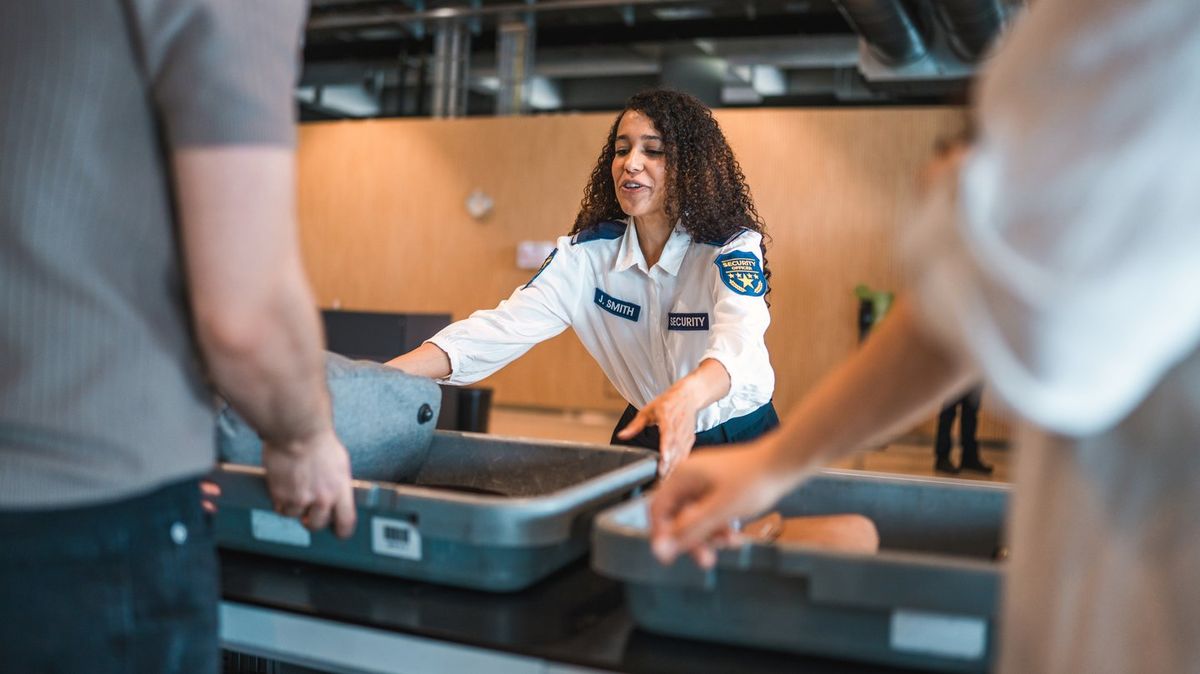
Airports and other major transit points around the US are bracing for an especially busy holiday season, and passengers are being warned to expect longer queues than normal.
The strain is being driven by ongoing staffing problems at the Transportation Security Administration (TSA), made worse by the impact of the federal government shutdown.
With fewer screeners available, the security checkpoint — already the least enjoyable part of flying for many — is likely to move more slowly, prompting travel specialists to advise building in extra time and preparing for knock-on delays.
Since these disruptions look set to continue in the weeks ahead, there are a few steps you can take before you even arrive at the airport to help your screening go more smoothly.
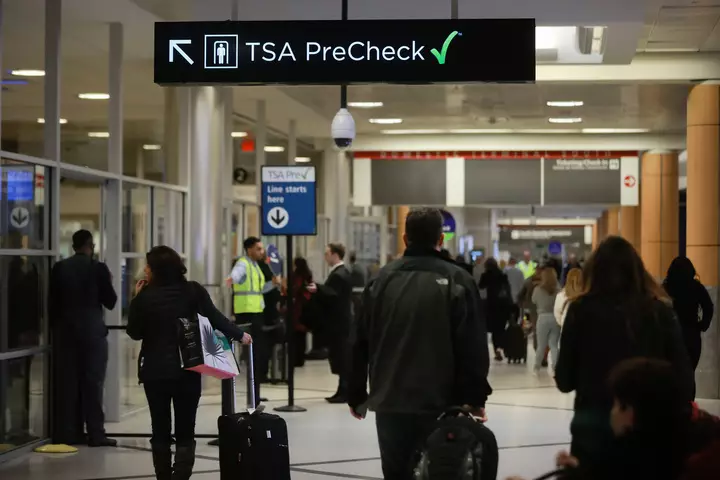
If you fly regularly, one option that can save a lot of time — and frustration — is TSA PreCheck. While it takes some planning, it can mean shorter lines and fewer of the usual checkpoint demands, such as pulling out liquids. In many cases, you can also keep your shoes and belt on, which makes the whole process less of an ordeal.
To enroll, you’ll need to apply on the TSA website and attend a brief interview (around 10 minutes) so you can be assessed as a low-risk traveler. If you’re approved, you’ll be issued a Known Traveler Number.
That number must be added when you book flights so you receive the PreCheck indicator on your boarding pass, which directs you to the correct lane at security.
Typically, most passengers clear the checkpoint in under 10 minutes, though during the shutdown it’s worth confirming whether your local airport is still able to provide the service. (edited)
A TSA agent, Uniformed Advisor TeaNeisha Barker, also shared three practical ways travelers can make the airport experience easier.
Speaking to Travel and Leisure, she said: “The top three things that travelers can do to assist with a seamless screening experience are to be prepared, be attentive, and follow the direction of the officer providing assistance.”
According to Barker, many of the slowdowns at checkpoints come from passengers arriving unprepared and needing extra attention from officers at the lane.
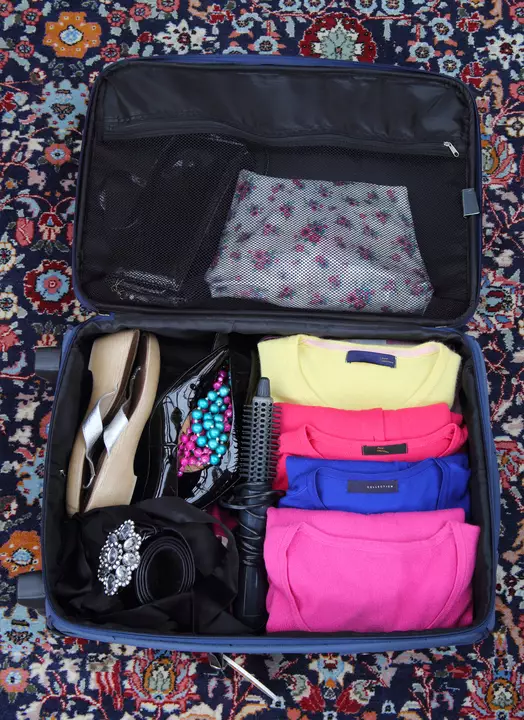
She explained that packing smartly can make a huge difference, and noted that travelers often create delays for themselves by making avoidable errors — including carrying prohibited items or simply bringing more bags than they can manage.
Weapons of any kind are not allowed, for instance, and that includes items some people might not think twice about, such as a pocket knife.
She also recommended placing jewelry into a clear bag, since small items can be harder to spot quickly during screening; keeping everything together helps officers identify what they’re looking at.
Another tip is to avoid wrapping gifts before you fly. Since officers can’t see through wrapping paper, there’s a chance a present may need to be opened at the checkpoint.
“If you plan on traveling with a gift, I highly recommend wrapping it once you get to your destination,” she said.
Finally, trying to sprint through the airport at the last possible minute is a stressful way to begin a holiday trip. If you usually allow a couple of hours, consider adding an extra hour or two as a buffer. Even if it means waiting around after you’ve checked in, it’s far better than worrying about missing your flight before you’ve even made it past security.