


Famed filmmaker and ocean explorer James Cameron has long been enchanted by shipwrecks, but none more so than one particular maritime disaster.
The 71-year-old’s fascination culminated in transforming the tragic sinking of the RMS Titanic on April 15, 1912, into the 1997 blockbuster film Titanic, which remains one of the highest-grossing movies ever. The disaster saw approximately 1,600 lives lost in the frigid Atlantic.
At the time, Cameron candidly admitted that one of his primary motivations for the film was the chance to descend 3,800 meters to explore what he termed ‘the Mount Everest of shipwrecks’, a site rediscovered only ten years prior.
Having witnessed the Titanic’s remnants firsthand and possessing a comprehensive understanding of the catastrophe, Cameron has shared his strategy for survival if he had been aboard the ill-fated ship, steering clear of clinging to debris like the fictional Jack and Rose.
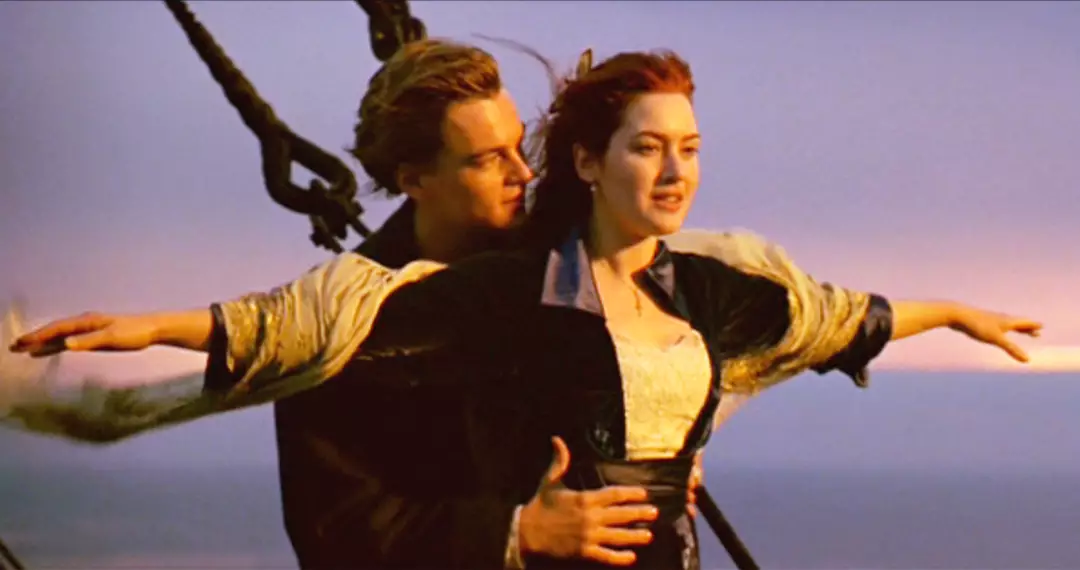
Armed with hindsight and an intricate knowledge of the disaster’s most perilous moments, Cameron’s survival plan focused on minimizing time in the water.
This approach stems from his understanding that most fatalities resulted from the sudden exposure to the Atlantic’s near-freezing temperatures, which hovered around 28°F, when hundreds of passengers were plunged into the sea around 2am.
The Hollywood Reporter posed a question to Cameron: “If you were traveling by yourself as a second-class passenger on Titanic when it hit an iceberg, what would you have done?”
Cameron revealed that his survival strategy relied on the goodwill of others, with a specific life raft in mind.
“Most people wouldn’t have had the courage to jump into the water,” he told the publication. “They couldn’t quite believe that the ship was really going to sink.”
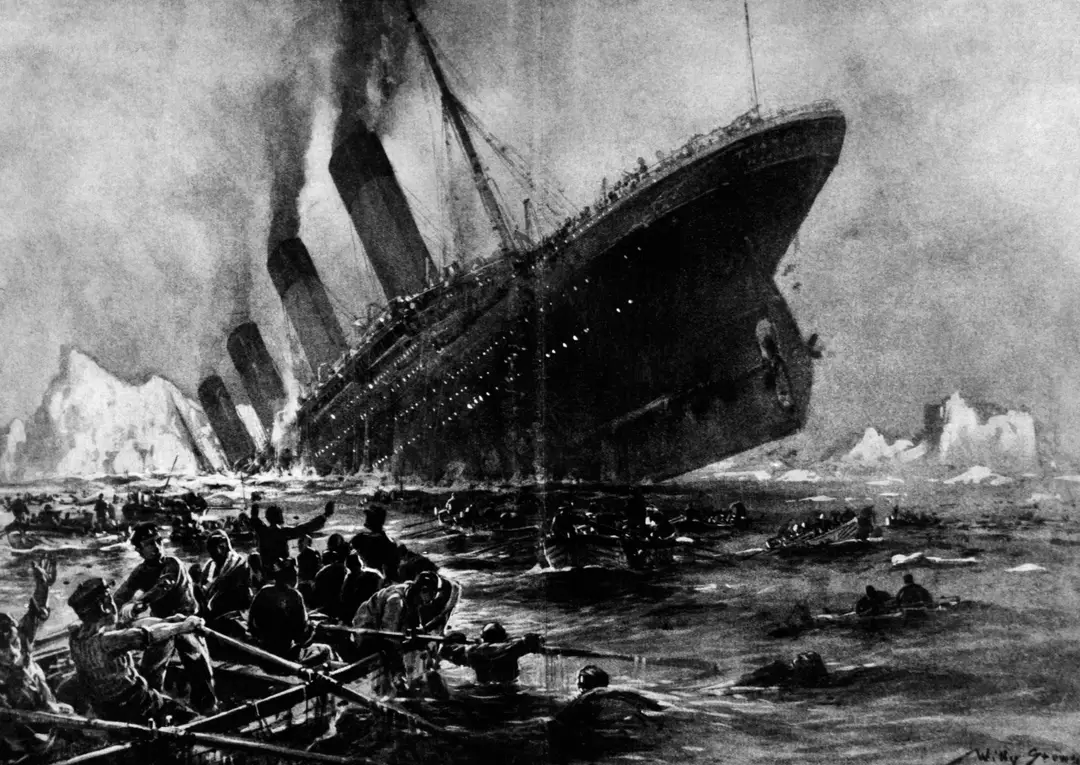
As most passengers likely found themselves at a loss, with first-class individuals boarding the limited lifeboats as the Titanic disintegrated beneath them, Cameron advised that timing a jump was crucial for survival.
He added: “But if you knew for sure it was going to sink and you weren’t on a lifeboat, you jump in the water next to the boat the second it casts off.”
Like the characters from his film who lingered too long on the ship and ended up adrift on debris, many passengers faced little hope once submerged, falling victim to cold water shock.

The director continued: “Once they rowed away, you were screwed. Are they going to let you drown when Titanic is still there and everybody is watching? No, they’d pull you in, and the officers would go, ‘Well, f**k, there’s nothing I can do about that.’”
He even pinpointed a specific boat for his plan, saying: “Boat four would be a good one for this.”