

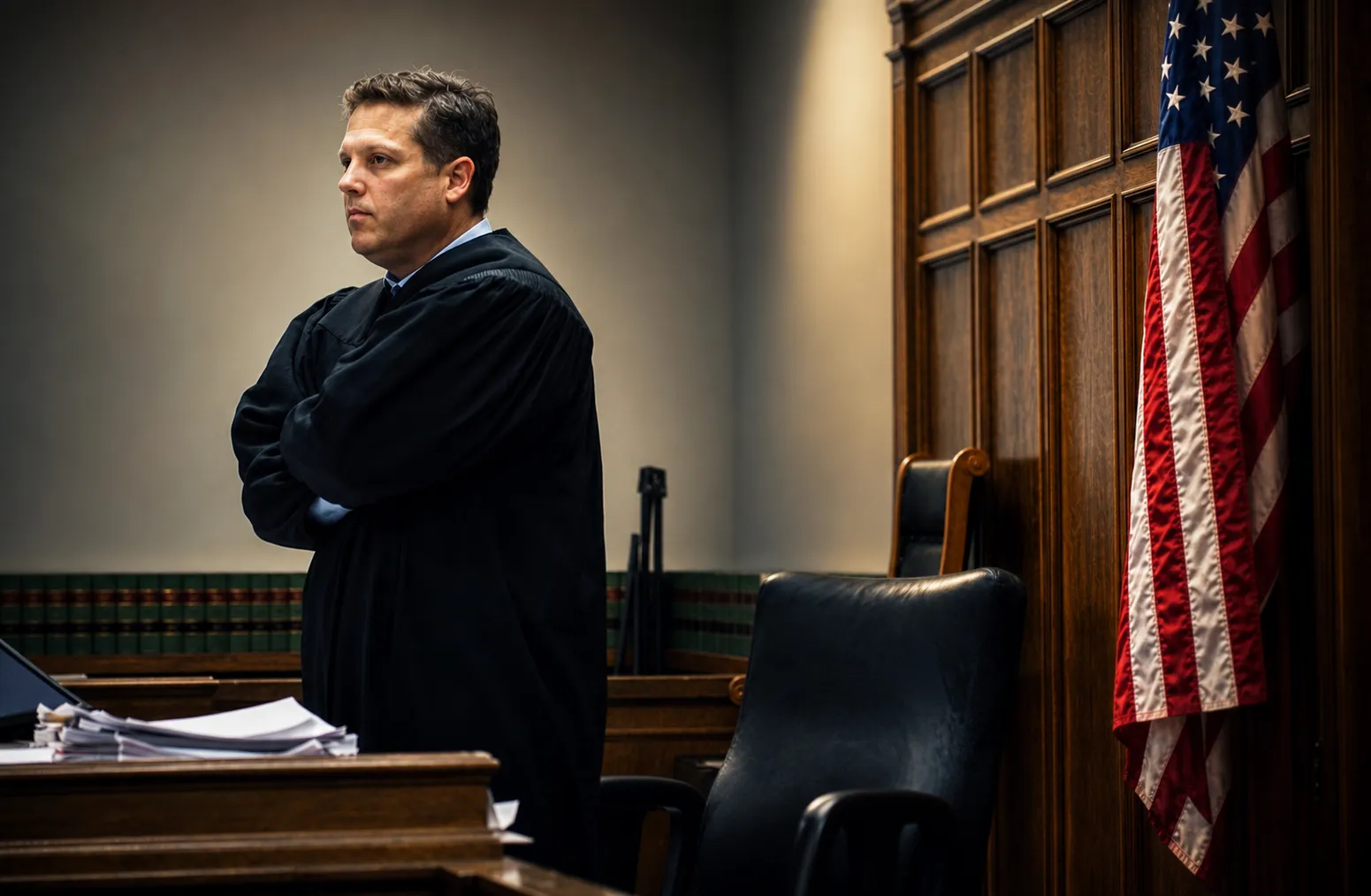
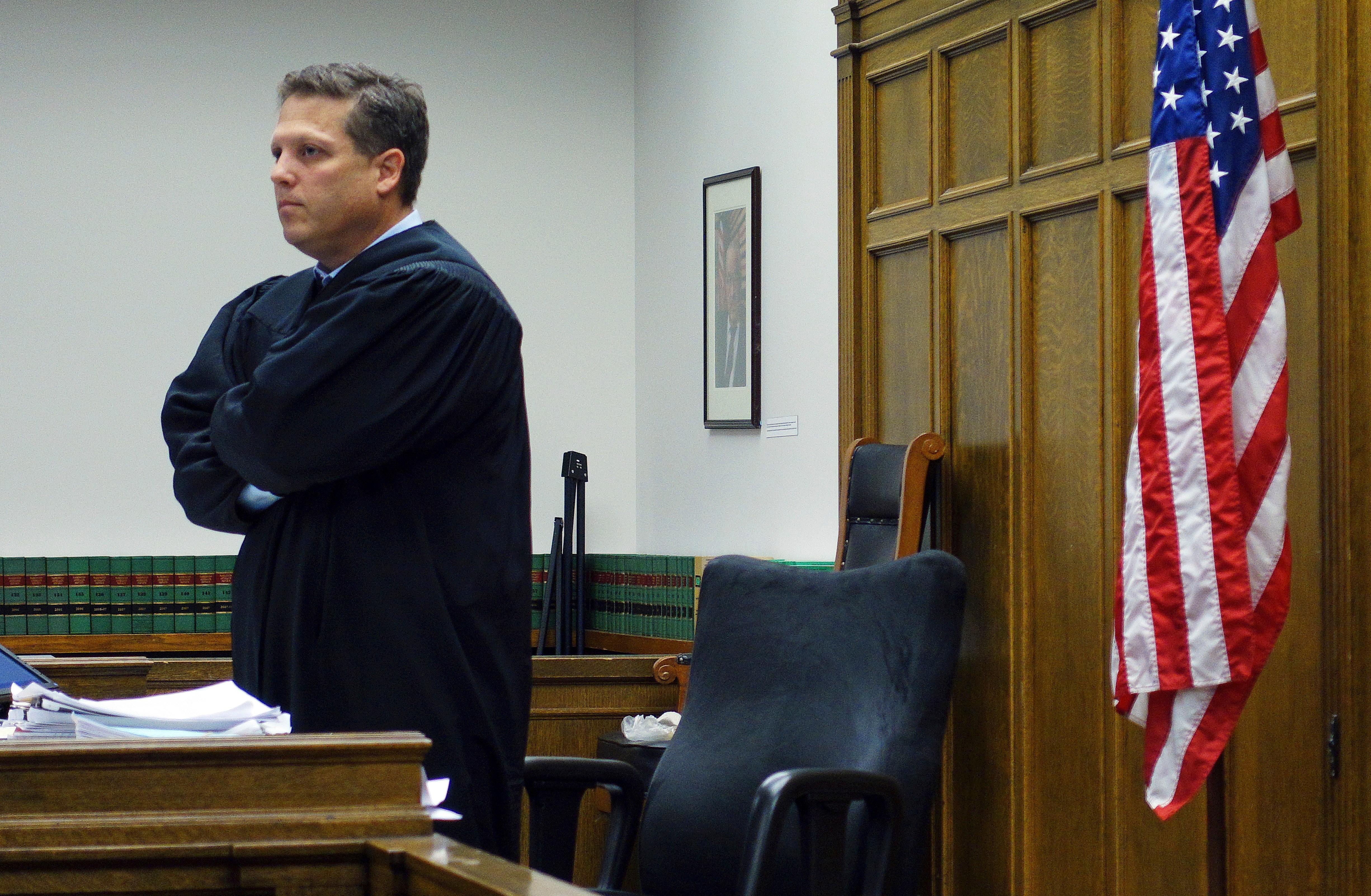
Roger Rogoff, the top federal prosecutor in Seattle who was fired less than an hour after being sworn in by federal judges, sued the Trump administration on Tuesday in a legal challenge that tests the president’s authority to remove court-appointed prosecutors.
Rogoff was unanimously appointed by judges in the Western District of Washington and sworn in before 8 a.m. On July 16. While waiting in the lobby of the U.S. Attorney’s Office to meet with staff, he received an email from the White House Presidential Personnel Office informing him that President Trump had ordered his termination.
The lawsuit marks an unprecedented challenge. Rogoff is believed to be the first of several judicially appointed U.S. Attorneys ousted by the Trump administration in its second term to pursue legal action over his removal. The case will test the Justice Department’s authority to fire federal prosecutors who are appointed by judges, raising fundamental questions about the balance of power between the executive and judicial branches.
In his statement, Rogoff said the president’s actions violated the law and ignored constitutional protections. He stated that his removal, along with that of other court-appointed U.S. Attorneys across the country, was illegal and could not stand.
The legal complaint, naming Trump and Acting Attorney General Todd Blanche, argues that the president does not have the authority to nullify the district court’s appointment power granted by the Appointments Clause of the Constitution. The lawsuit seeks a court order declaring the firing unlawful and void, and asks that Rogoff be reinstated as U.S. Attorney at least temporarily until a successor is chosen through presidential nomination and Senate confirmation.
Even before Rogoff’s appointment, the lawsuit notes, Blanche signaled his intention to fire whoever the judges selected. Writing on X after the court announced its appointment of a merit selection panel, Blanche stated that the candidates did not have the president’s support and predicted they would suffer the same fate as others fired when judges ignored Article II of the Constitution. After Rogoff’s dismissal, Blanche posted that district court judges can appoint a temporary U.S. Attorney but the president can fire them, and accused the judges of abandoning the “time-honored process of consultation with the administration.”
The Justice Department responded in a statement that the district court had not coordinated with the department on its selection and that the firing was wholly within the president’s authority, consistent with similar firings.
The Western District of Washington has not had a Senate-confirmed U.S. Attorney since mid-2023. After Trump took office in January 2025, he fired Tessa Gorman, who had been serving temporarily before the district judges appointed her to the post in May 2024. The administration has not yet announced a nominee to lead the Seattle U.S. Attorney’s Office.
Under federal law, when an interim U.S. Attorney’s 120-day term expires before a nominee is confirmed, judges in a judicial district can appoint a U.S. Attorney to serve until the vacancy is filled. This provision was designed to prevent extended vacancies in these crucial law enforcement positions. Under Trump, the Justice Department has sought to leave unconfirmed prosecutors in their positions indefinitely or has moved to fire prosecutors appointed by courts.
Rogoff brings substantial prosecutorial experience to the position. He spent 14 years as a King County prosecutor, where he served as vice-chair of the Domestic Violence Unit and as a supervisor in the Sexual Assault Unit. He then spent six years as an assistant U.S. Attorney in the Western District of Washington, prosecuting fraud cases, child pornography cases, and cases involving criminal enterprises. He was appointed to the King County Superior Court by Governor Jay Inslee in 2013 and served as a judge until 2020. More recently, he served as director of the Washington Office of Independent Investigations, the agency created to provide independent reviews of police use of deadly force incidents.
Rogoff is not the only court-appointed U.S. Attorney to face rapid dismissal by the Trump administration. In February 2026, the administration fired James Hundley just hours after federal judges in the Eastern District of Virginia unanimously appointed him. Hundley, a veteran litigator with more than three decades of experience, had been selected after Virginia’s judges faced similar circumstances—a Trump administration that had not nominated a Senate-confirmed replacement.
The administration has also removed court-appointed prosecutors in other jurisdictions. In New Jersey, Alina Habba, one of Trump’s personal lawyers who had been installed as an acting U.S. Attorney, resigned in December after an appeals court concluded her appointment was unlawful. In Virginia, Lindsey Halligan, another Trump personal lawyer serving as an acting U.S. Attorney, left her position after a judge found her appointment unlawful and ordered the dismissal of indictments she had brought against New York Attorney General Letitia James and former FBI Director James Comey.
Despite knowing that the Trump administration might fire him immediately, Rogoff accepted the appointment. He told interviewer that he knew the potential conflict he was walking into but had no qualms about it, describing the position as “the best job there is.” He has retained legal counsel to challenge his dismissal.
The case raises significant constitutional questions about executive power and judicial authority in filling federal positions. If Rogoff prevails, it could curtail the Trump administration’s efforts to consolidate control over the Justice Department and ensure these powerful prosecutor positions are filled according to the administration’s preferences rather than through the traditional appointment process.