


It’s widely recognized that global tensions have been running unusually high.
With more nations engaged in active conflicts than at any point since World War II, recent events in the Middle East have added to concerns about the possibility of a wider war, including fears about a potential World War III.
Under the Continuity of Operations Plan (COOP), there are established options for where President Donald Trump could be moved in the event of a nuclear conflict, allowing leadership to operate from protected facilities.
Plans reportedly include evacuation to hardened bunkers in Colorado, Pennsylvania, or Virginia—sites originally developed during the Cold War era.
These facilities are designed to keep the president and key officials secure while enabling the federal government to continue functioning during a major emergency.

The three primary locations often cited are Mount Weather Emergency Operations Center, Raven Rock Mountain Complex, and Cheyenne Mountain Complex. Each site is equipped with critical technology and is funded, staffed, and maintained to support emergency operations when needed.
All three are built to endure extreme scenarios, including nuclear strikes, and sit beneath mountainous terrain for additional protection.
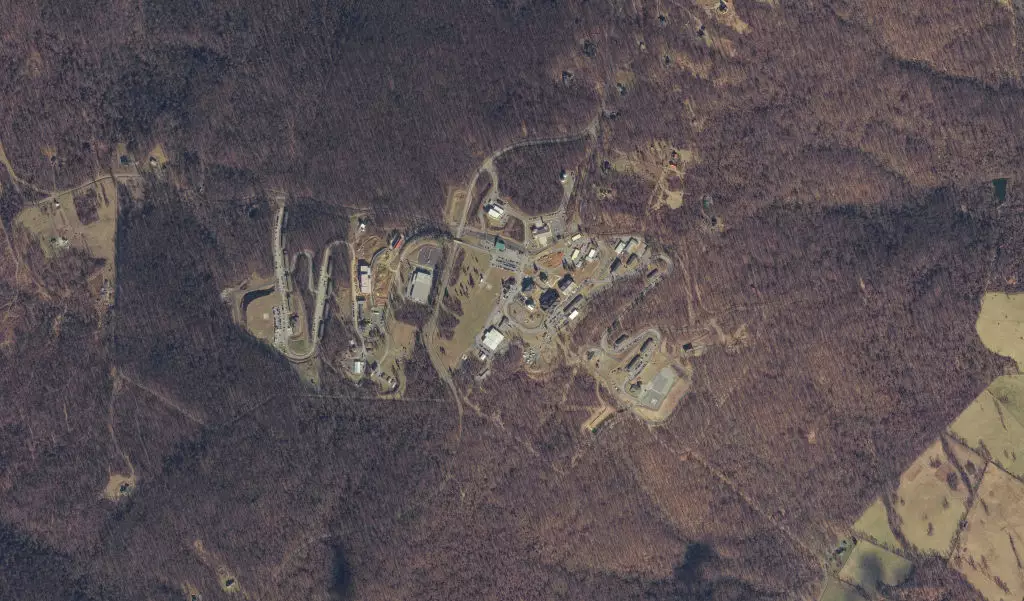
Raven Rock Mountain Complex is often described as the likely command-and-control hub, and it has long carried the nickname “underground Pentagon.”
Separately, the US Department of Homeland Security has stated that Mount Weather Emergency Operations Center serves as a command site for “classified programs.”
Cheyenne Mountain Complex is reported to include more than a dozen buildings positioned about 2,000 feet underground, set on large steel springs intended to reduce the impact from shocks—an engineering feature that could be crucial during an attack.
Reports also suggest the complex relies on nearby lakes for water, while officials have said food reserves have been stored to support staff and senior government figures for a ‘very long time’.
It has additionally been reported that the site could withstand a multi-megaton nuclear blast from as close as 1.5 miles away.
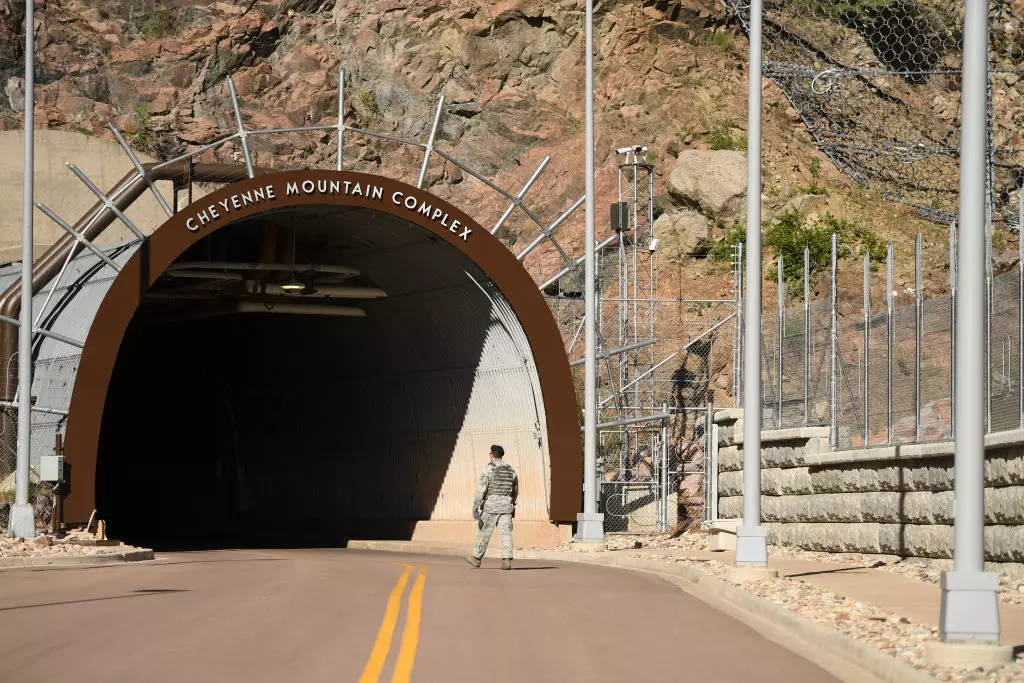
NORAD Col. Cory Kwasny has said the interior of the Cheyenne Mountain Complex can feel like a preserved snapshot of an earlier era.
“You might walk in and think you’re still back in the 1950s and ’60s. The design of it hasn’t changed. You feel like you’re walking into a time capsule. But it has been modernized, including all the communications systems and all the networking systems needed to do our job effectively,” he told The Denver Post.
“It is not a museum piece, not something sitting here mothballed, waiting for a new purpose or a new life. It is being used daily.”
Beyond these major complexes, other protected sites also exist—reportedly including a bunker located beneath the East Wing of the White House.