

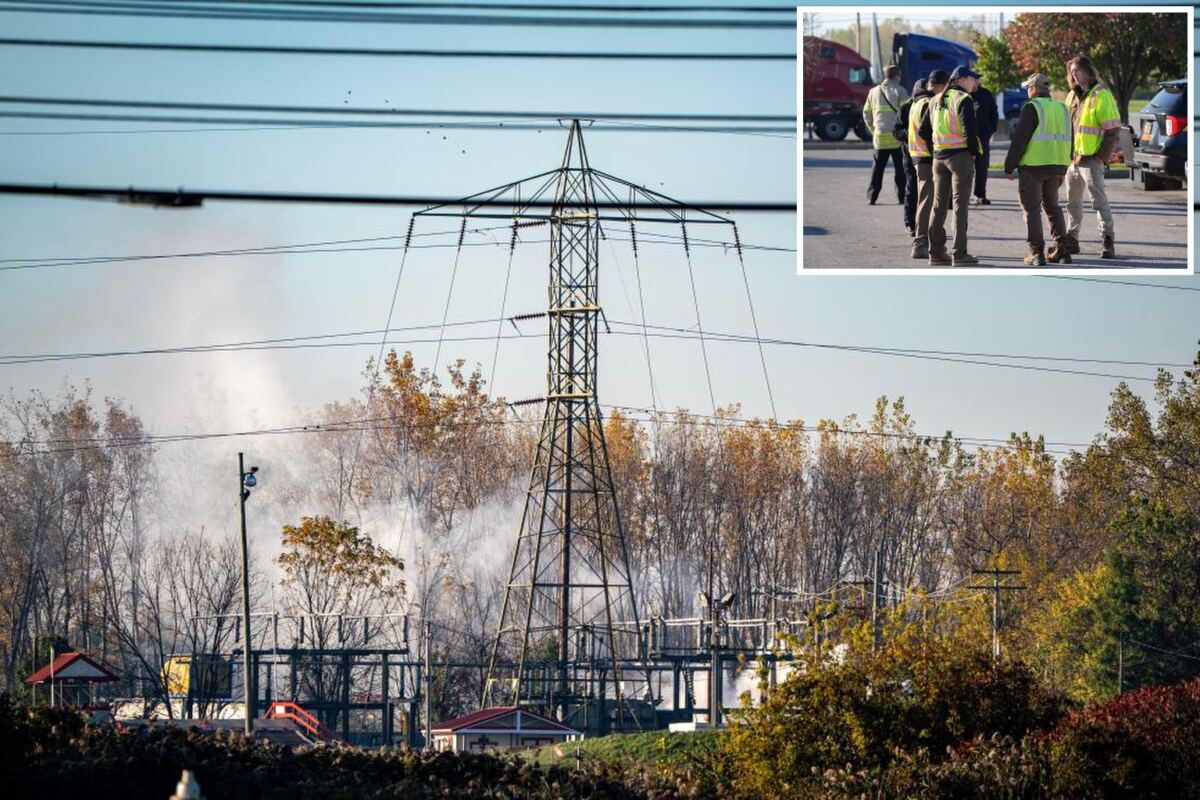
A toxic chemical release from an exploded storage tank kept nearly 1,000 Toledo residents under evacuation orders Wednesday as officials warned the damaged container could still detonate again.
The blast erupted Tuesday night at an MC Tank Transport facility in a largely industrial section of the Ohio city, sending a visible plume skyward that was still billowing Wednesday morning. Mayor Wade Kapszukiewicz disclosed at a morning news conference that the ruptured vessel holds up to 5,500 gallons of glycidyl methacrylate, an industrial compound that remains liquid inside the tank but vaporizes when exposed to the open air.
“There is still concern that the tank is emitting this chemical and it has the potential within 12 hours of the incident to be explosive,” Kapszukiewicz said. He added that investigators had not yet determined what caused the initial explosion.
The company identified the substance as “an industrial chemical used to make certain plastics, paints and coatings perform better.” Health officials, however, emphasized its immediate dangers to anyone nearby. Karim Baroudi, director of the Toledo-Lucas County Health Department, explained that direct contact brings more severe risks than airborne exposure at this stage.
“It’s really toxic if you touch it, if you ingest it,” Baroudi said. “Now we’re trying to kind of determine how much of a toxicity is in the air that the people are breathing so we can give better guidance.”
Baroudi recommended that residents seal their windows and, for those experiencing mild symptoms, “just take a shower for now.” The city fire department issued its own advisory stating that glycidyl methacrylate can cause burning sensations in the eyes, nose, mouth and skin, with overexposure leading to headache, dizziness, fatigue, nausea and vomiting. Anyone feeling these effects should seek medical attention, the department said.

The mandatory evacuation covered a one-mile radius around the blast site, while a broader shelter-in-place directive extended three miles outward. That secondary zone reached Lake Erie shoreline neighborhoods and crossed slightly into Michigan. The geographic spread left some residents just beyond the lines making their own calculations about safety.
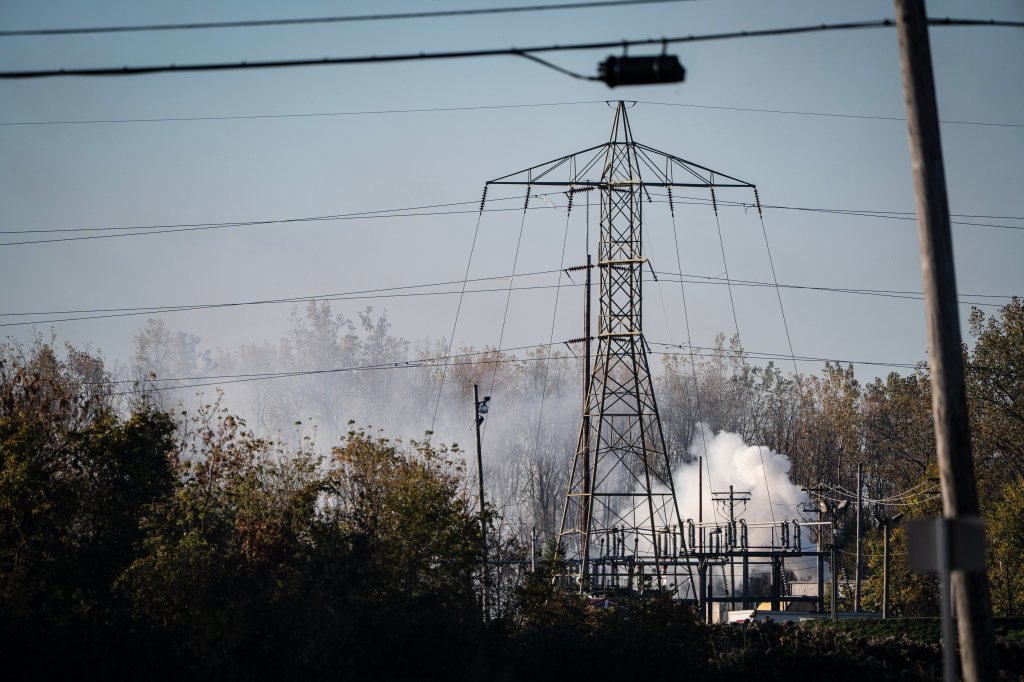
Kristine Kowalinski, who lives immediately outside the affected area, said she was already keeping indoors due to her sensitivity to everyday irritants like wood smoke. The chemical release amplified her anxieties about longer-term contamination.
“My main concern is how did that affect everything overnight when it was raining down on cars, houses, my garden,” she said.
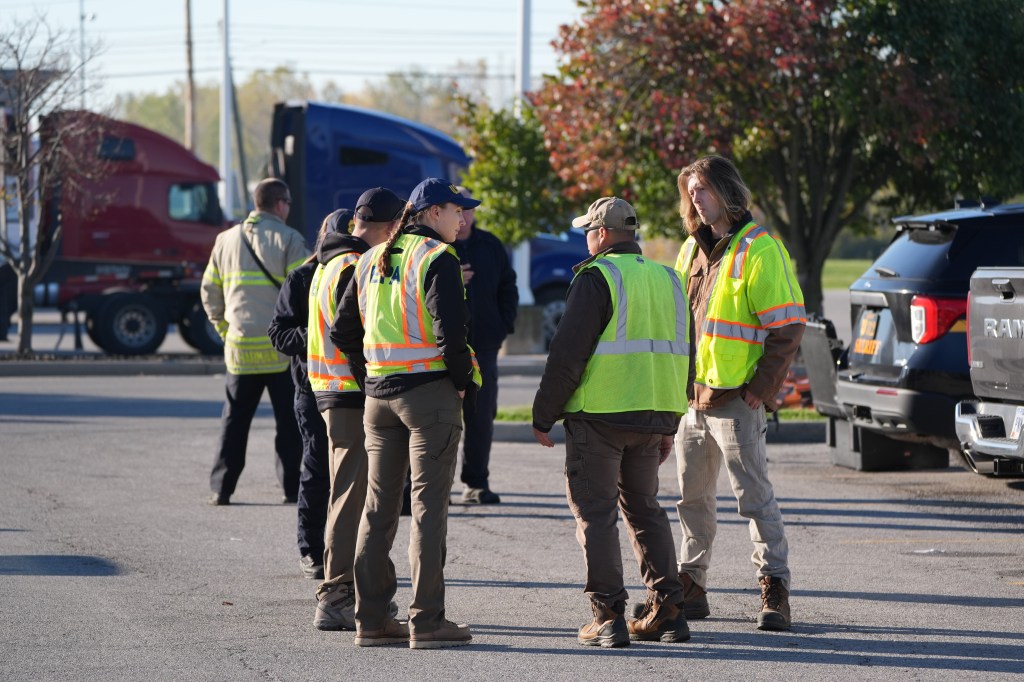
Emergency response to the damaged tank itself remained stalled Wednesday morning. Kapszukiewicz said first responders, hazmat crews and safety teams were deliberately not approaching the vessel because of the ongoing explosion risk, with plans to reassess conditions later in the day. One sheriff’s deputy who had responded to the initial blast drove himself to a hospital after feeling unwell, city officials confirmed.
The Arkansas-based company issued a statement saying representatives were en route to Toledo and that it was coordinating with the fire department and other emergency authorities. “Our immediate and overriding concern is the safety of area residents, emergency responders and our employees,” MC Tank Transport said.
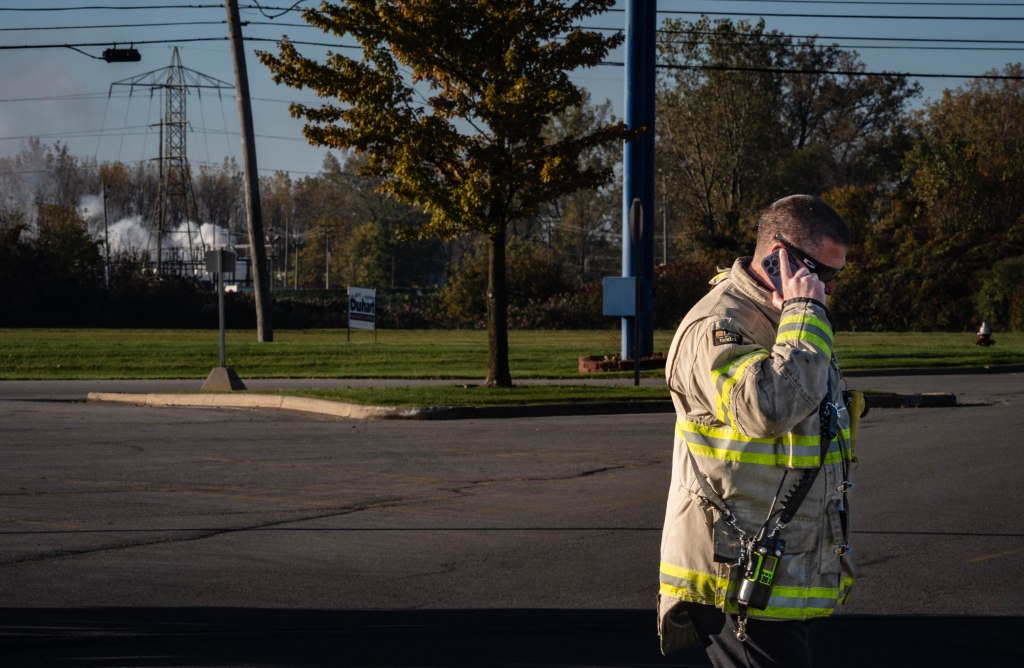
Health officials characterized the airborne chemical as primarily an irritant so far, with reports of watery eyes and throat discomfort among some residents. Testing continued to measure toxicity levels in the surrounding air.