

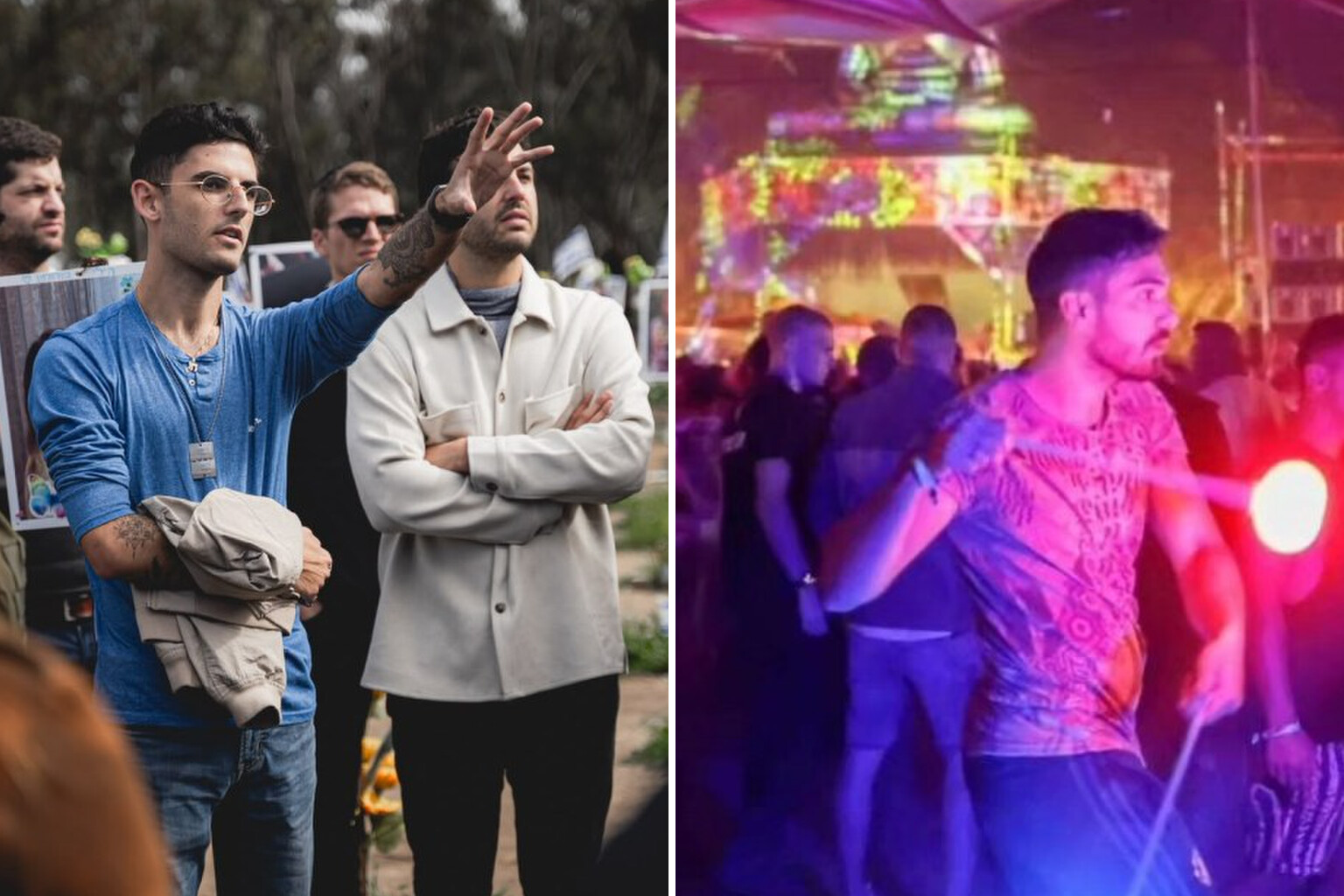
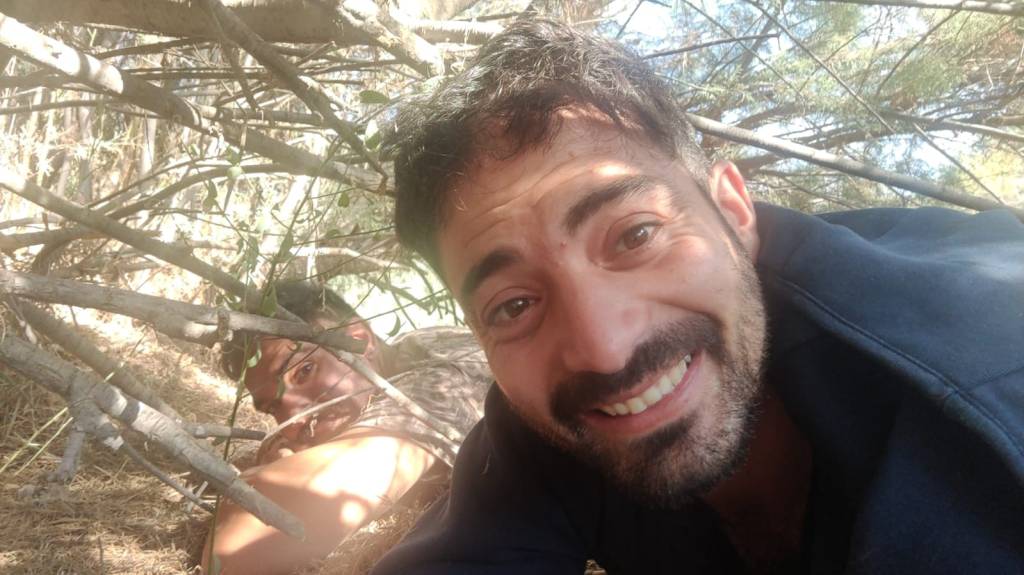
Rom El-Hai, 32, says the world still wants him dead three years after Hamas gunmen stormed the Nova music festival near the Gaza border.
The former insurance student, who hid in forest brush while terrorists celebrated nearby and bullets tore through the trees, lost his job, his girlfriend and multiple friends in the aftermath of the Oct. 7, 2023 massacre. “I was a regular guy before. I would go to work every day, I had a girlfriend, and occasionally I would go to a festival. Life was normal — I liked my life,” he told The Post. “Now I’m alone — I lost my job, lost my girlfriend, lost friends … The PTSD and depression are very intense.”
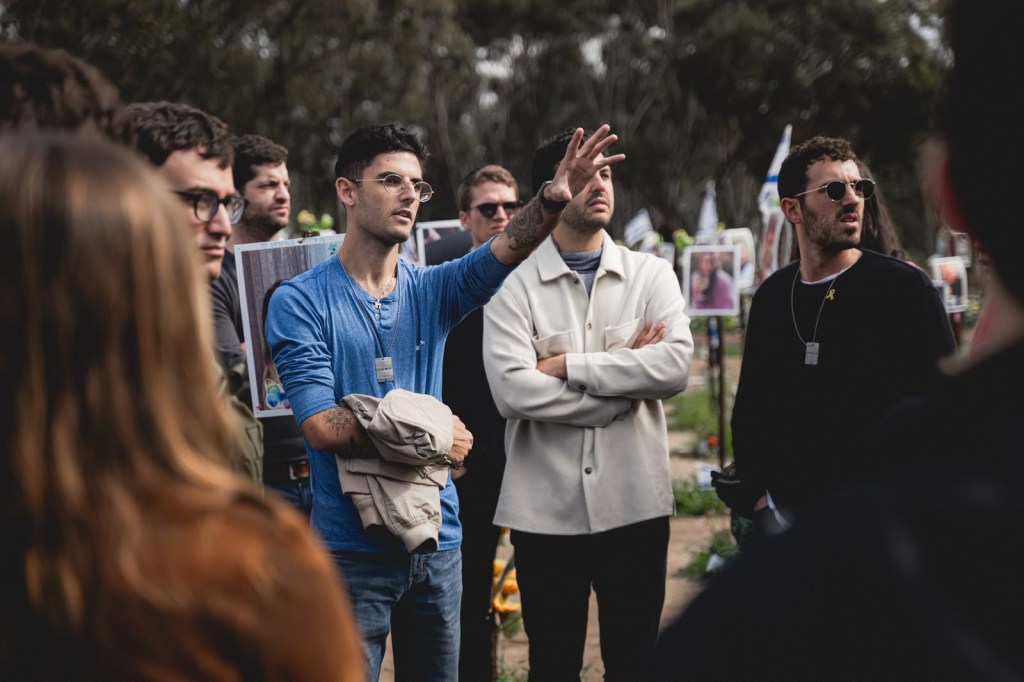
Shye Klein, 29, carries similar invisible wounds. The event photographer escaped balaclava-clad terrorists firing machine guns and stumbled past dozens of bullet-ridden, bloody bodies. Now working crowds and loud music triggers panic. “Maybe a DJ will stop the music by accident and my heart races and I think, ‘OMG, where are the terrorists?’ It’s too stressful and nerve-wracking,” he said. Klein added that a “large number” of Nova survivors are homeless, out-of-work and living in their cars, warning that “people keep warning signs very well hidden” and predicting that “no one will know until somebody else kills themselves.”
Eric Goldstein, CEO of the UJA Federation of New York, has tracked the employment collapse among survivors. Only 20% of Nova attendees have maintained more than three months of continuous work since the attack, he noted, and there is an “urgent need” for expanded support. Early next year, a 10-acre rehabilitative center called UJA New York Nova House is scheduled to open near Tel Aviv.
Seth Davis, CEO of the Tribe of Nova Foundation, an organization launched after Oct. 7 with a mission to “save lives, help heal and empower the community [and] prevent suicides,” told The Post that the passage of time has not healed what lies beneath. “Even after three years, the anxiety runs deeper,” he said. “People think it’s time to move on, but sometimes people have more severe issues than they had a year ago — and we don’t know what’s going to happen next year.” Davis observed that many survivors in their 20s, who had just been gaining independence, have been forced to move back home with their families, though he noted that “parents are getting tools to help cope with the children and mitigate suicide.”
Klein spent the first two years after the attacks speaking to different communities not for advocacy, but for survival. “I started speaking to different communities for the first two years just to have a guaranteed place to eat and sleep and live,” he admitted. He has accepted his PTSD diagnosis as permanent. “There’s nothing normal about my life since Oct. 7,” he said. “It’s never going to go back to normal — for anybody.”

Evyatar David, the 25-year-old former hostage whose emaciated image appeared on the Aug. 3 the outlet cover, wrote last month about his ongoing struggle after 738 days in Hamas captivity. “Surviving captivity is one thing, but complete rehabilitation is a different battle,” he wrote. “I want to win this battle as well.” David, who was forced to dig his own grave during his imprisonment, is living with PTSD and flashbacks.
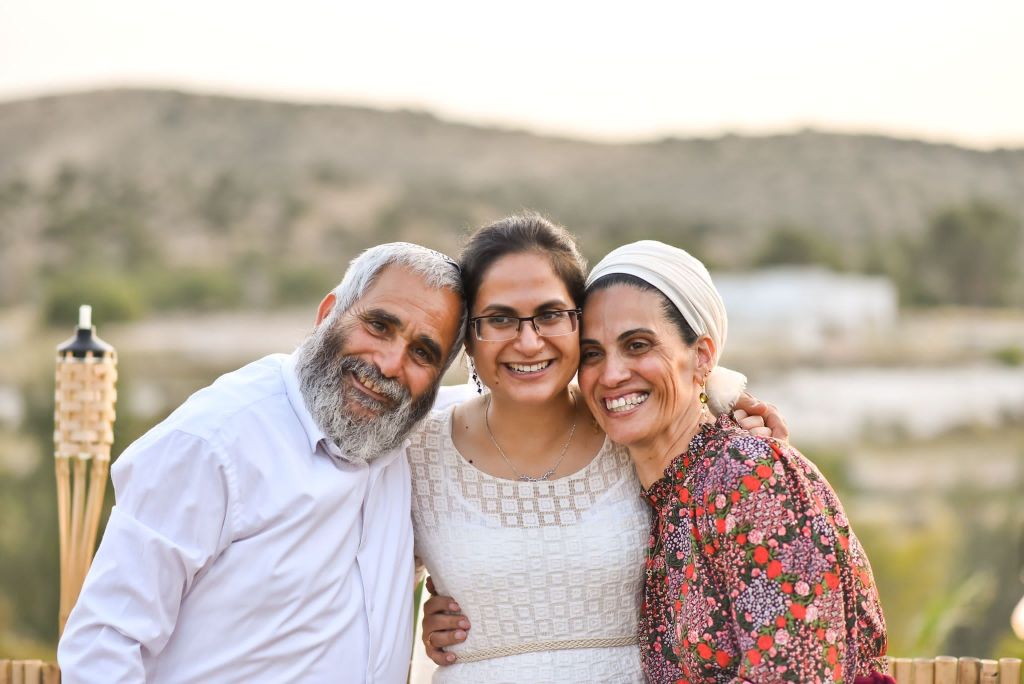
The trauma has also rippled outward through families. Irit Ben Arye, 52, became a widow when her husband Haim, 56, a bus driver who rushed to evacuate victims from devastated Kibbutz Be’eri on Oct. 7, killed himself approximately two weeks later. Now she counsels other women who lost husbands to post-attack suicide. “People are dealing with a lot of stress and emotions, fear and trauma,” she said. “It’s not over.”
El-Hai watches two friends from that day struggle alongside him. Of the pair who survived the forest ordeal with him, only one has recently returned to work. “At this age, you want stability, to meet someone and build a home and family life,” he said, describing how easily purpose slips away. He sees additional pain in political attacks on Israel’s legitimacy. “The world hates me and wants me dead, there’s war — it doesn’t end,” he added. “That’s what people don’t understand — you think, ‘Tomorrow it’s going to end,’ but it doesn’t.”
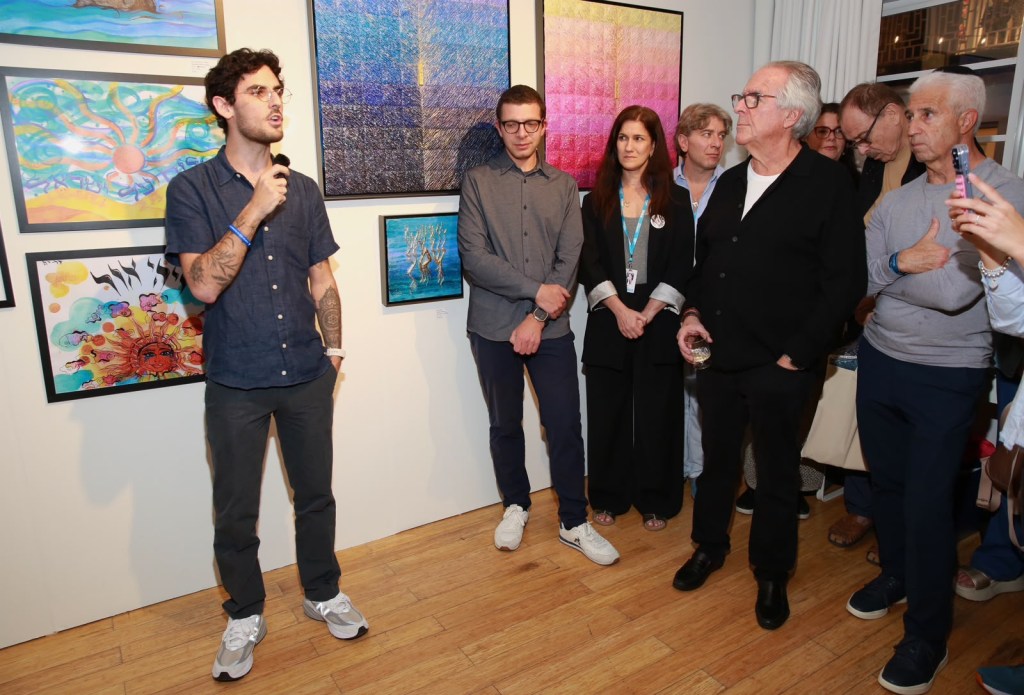
The UJA New York Nova House rehabilitative center is set to open near Tel Aviv early next year.