

With the holiday rush nearing, travelers are being alerted to a little-known TSA rule that could leave their luggage vulnerable.
Few things ruin a trip faster than landing and discovering your suitcase — or items inside it — didn’t arrive the way you expected.
Many people add a lock to their bag for peace of mind, but a regular padlock may not protect your belongings if your suitcase is selected for additional screening, a security expert has warned.
Travel demand across the US is expected to stay high, with major events on the horizon — including the 2026 World Cup, hosted jointly with Canada and Mexico — making it even more important for flyers to understand airport screening rules before heading to the terminal.
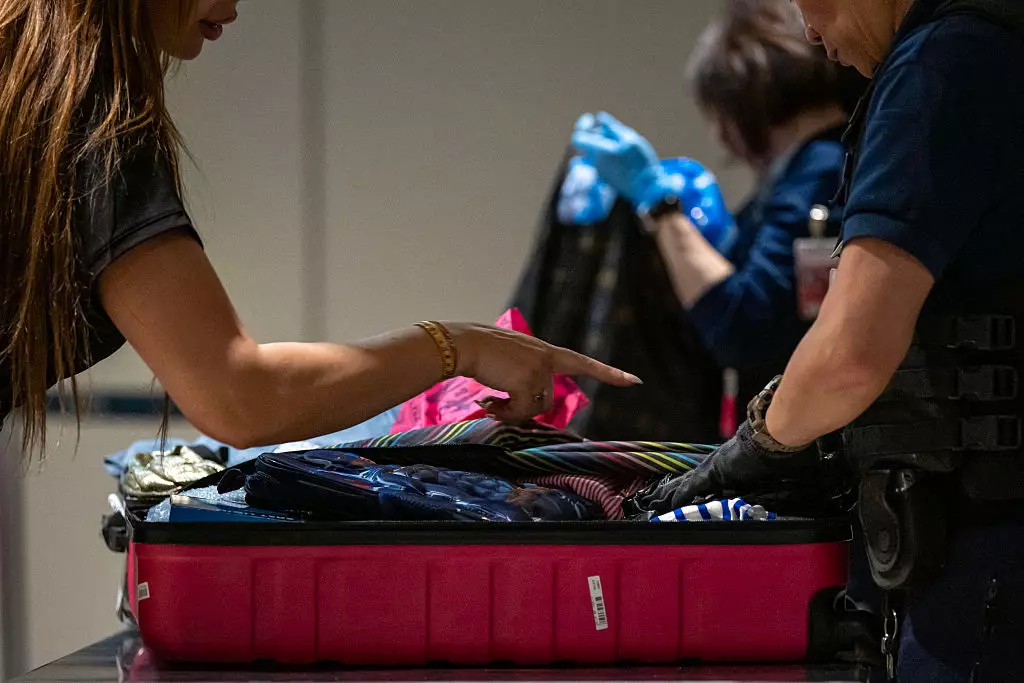
While plenty of travelers know the Transportation Security Administration (TSA) has the authority to inspect checked bags, fewer realize agents can remove non-approved locks if they need to open a suitcase. If they do cut one off, they are not required to replace it.
That means a standard lock can end up doing the opposite of what you intended: you may arrive with a broken lock and no way to properly secure your bag for the rest of your journey.
“If they encounter a standard luggage lock, rather than a TSA-approved lock they can easily open and close again, they’ll cut it off and have no responsibility to replace it,” explains security expert Rich Quelch at Nothing But Padlocks.
The expert also cautions that choosing the wrong type of lock could increase the chances your luggage is singled out.
“What’s more, using a standard luggage lock could mean your bag is more likely to catch their attention in the first place and be checked, leaving you with a broken lock and unsecure luggage for the rest of your trip.”
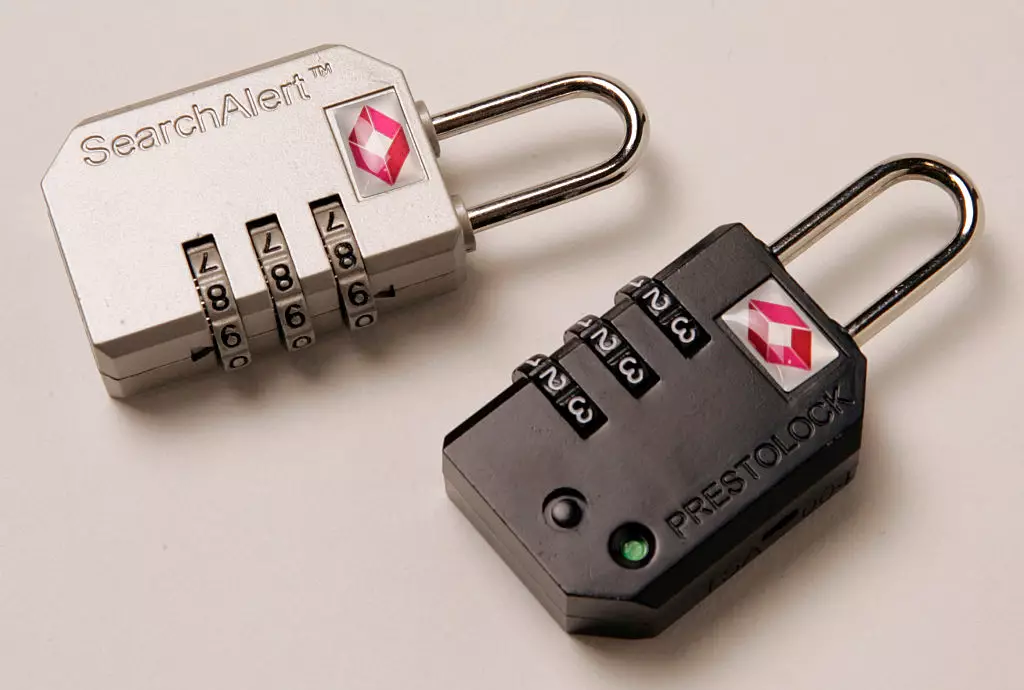
If you assumed any luggage lock would do the job, there’s an important distinction to know: TSA-friendly locks are built specifically for airport screening.
According to the expert, ‘TSA approved locks are designed to allow TSA agents to remove the lock with a universal key.’
This allows officers to open and relock your bag after inspection, helping your luggage continue on its route without being left exposed.
Two of the most common approved options are Safe Skies locks, identifiable by a red torch symbol, and Travel Sentry locks, marked with a red diamond logo.
The good news is these locks aren’t hard to find, with the expert noting they are widely available.
You may not always know whether your bag has been manually opened. The TSA says it screens roughly 1.3 million checked bags every day for explosives and other dangerous items.
Most luggage clears screening without a physical search, but some bags are selected for additional checks.
If your suitcase is opened, the TSA typically leaves a baggage inspection notice inside to inform you that your bag was inspected.