


A writer specializing in true crime says there may be a major flaw in the established timeline of Amy Bradley’s disappearance, claiming Netflix’s documentary about the case missed crucial facts.
Amy Lynn Bradley disappeared from Royal Caribbean’s Rhapsody of the Seas in March 1998 during a holiday with her parents, Ron and Iva, and her brother, Brad. The FBI still lists the case as an open kidnapping and missing-person investigation and offers a reward of up to $100,000 for information leading to her recovery and to the identification of whoever is responsible.
Her case was recently revisited in the Netflix documentary Amy Bradley Is Missing. The three-part series premiered on July 16, 2025, and revisits the long-running mystery surrounding Bradley’s disappearance, along with reported sightings and the many theories that have followed the case for more than two decades.
For years, her father has said he last saw Amy at about 5:30 am on the balcony of their cabin. By 6 am, she had vanished, and there was no proof that she either jumped or accidentally fell overboard. Security cameras on the ship also failed to capture her.
However, James Renner, who spent months examining the disappearance while working on his book A Cruise to Nowhere, argues that Amy likely went overboard at roughly 4:30 am. According to him, that would place the incident an hour earlier than the commonly accepted version of events. His book is scheduled for publication on July 28, 2026. He also suggests she had been dealing with depression connected to her sexuality and family strain.
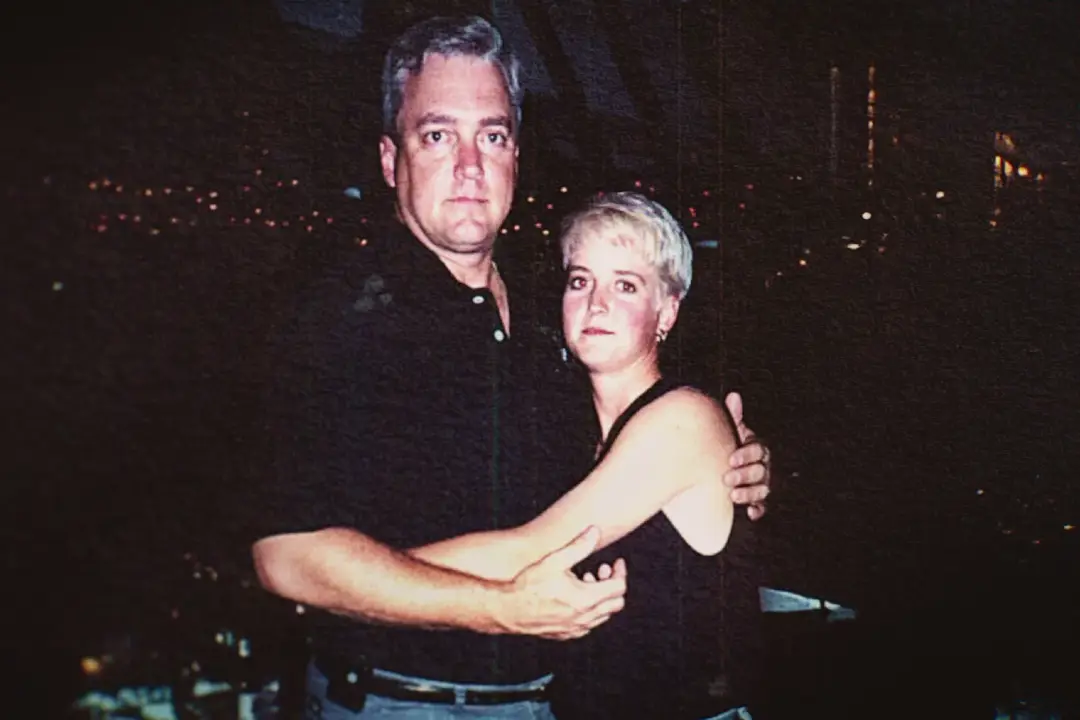
Speaking to the U.S Sun, Renner said the 4:30 am timing appears in some of the earliest police and media accounts, including a 1998 report from the Richmond Times-Dispatch. He believes that detail was later altered. “The timeline that we’ve been given is incorrect, and I think it was designed for a specific purpose,” he said.
He said the timing is significant because it changes where the ship would have been when Amy disappeared.
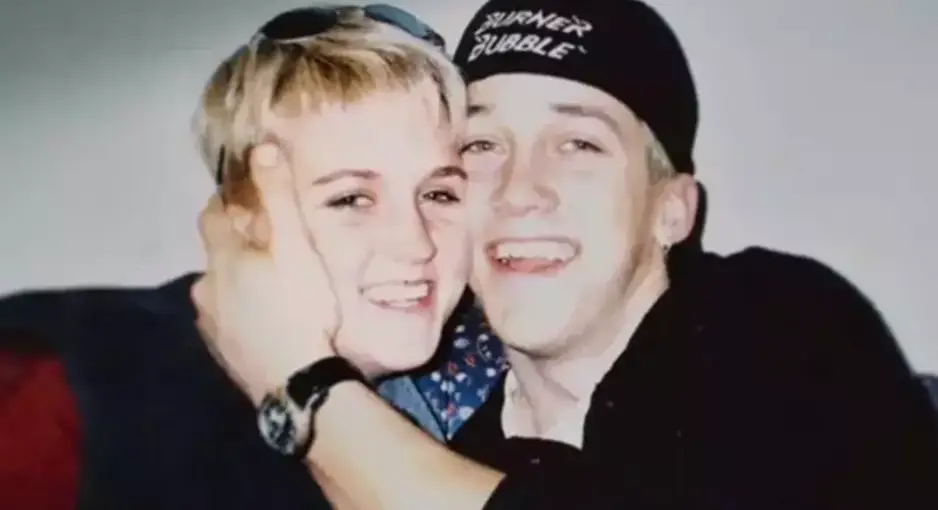
“If the ship was in the canal in Curacao when Amy disappeared, they almost certainly would have found her body,” he said. “That lends credence to the idea that she was kidnapped and forced into human trafficking.”
Renner said his view of the timeline came in part from talks with Amy’s aunt, Marianne Noblin, who served as the family’s spokesperson shortly after Amy went missing.
“I spoke to Amy’s aunt, Marianne, who was the family’s spokesperson in the weeks immediately after the disappearance,” he said. “I believe she has the correct timeline, which is 4:30 am being the last time Amy was seen.
“That would mean the cruise ship was much farther out at sea. If she went overboard at that time, it would help explain why her body was never found.”
The documentary also spends considerable time examining musician Alister ‘Yellow’ Douglas, who was with Amy on the night she disappeared.
Renner said he later located Douglas in Granada, where he is now a Christian minister, and added that the FBI cleared him at an early stage of the case.
He also disputed remarks made by the documentary’s director, Ari Mark, who recently said the FBI had identified a trafficking ring that could be connected to Amy’s disappearance. “I find it hard to believe that he actually believes that,” Renner said.
“He’s also a showman, in the vein of P.T. Barnum, and he knows that story is certainly sexier than what is likely to be true, which is that she went overboard on her own power.”