

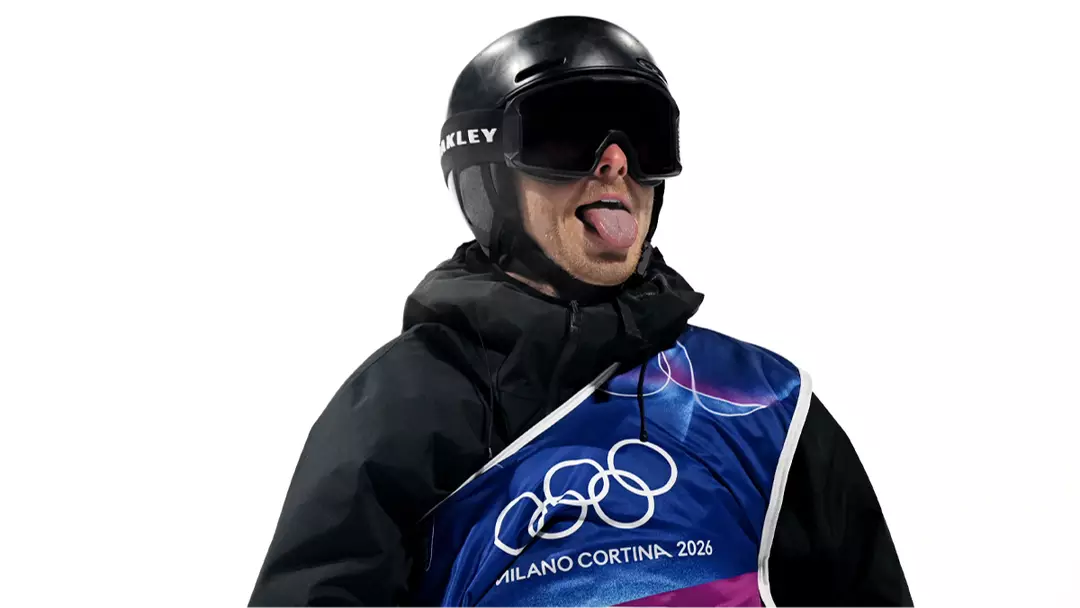
The 2026 Milan-Cortina Winter Olympic Games have already witnessed numerous significant medal achievements, with many golds awarded in various slope sports such as skiing and snowboarding.
However, occasional viewers of these events have observed a noticeable trend at this Olympics: several snowboarders appear to be wearing their identifying bibs draped over only one shoulder instead of both.
Considering Milan’s reputation as a hub for world-renowned fashion brands, and the opening ceremony’s homage to local fashion legend Giorgio Armani, one might assume that this bib-wearing choice reflects each athlete’s fashion preference.
The connection between athletics and style has indeed been highlighted at this Winter Olympics, with Armani being ‘personally involved in the design of the ceremony’ and contributing to the conceptual framework, as stated by his company.
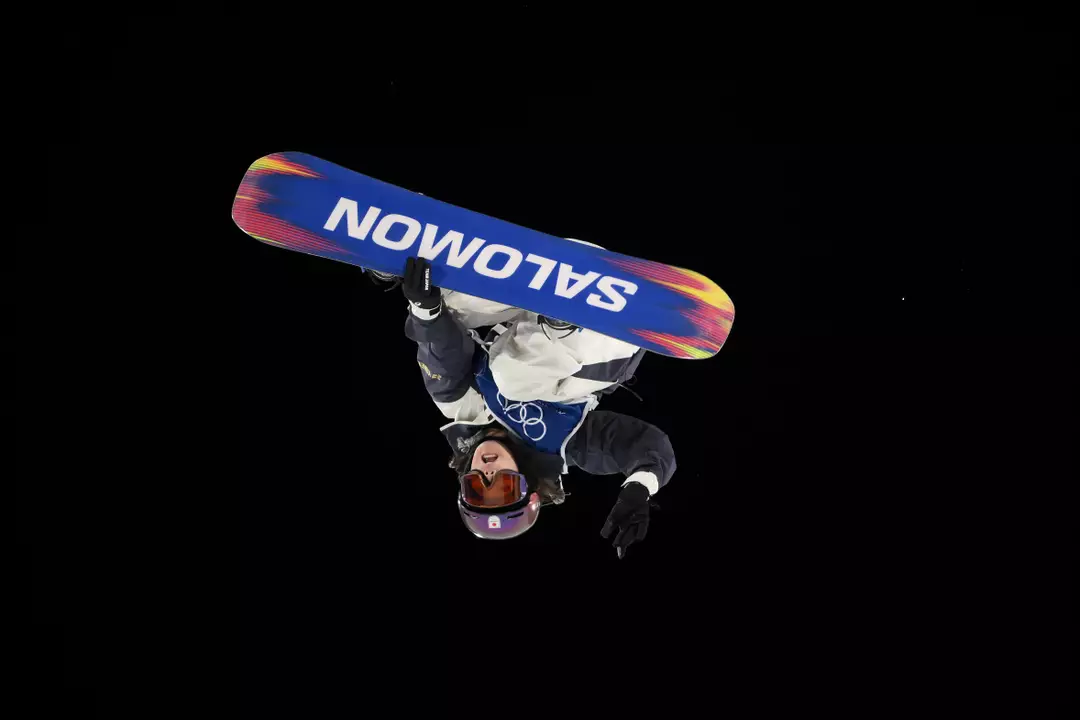
However, the practice of tucking in the bib is not a fashion statement for many snowboarders this year; it serves as a safety measure while they navigate the snow at speeds reaching up to 70mph.
“Sometimes those bibs can fly up in your eyes. That’s very, very dangerous. So a lot of the riders will tuck it under their arm,” noted CBC Olympics snowboarding expert Craig McMorris during the 2022 Winter Games in China.
While not all snowboarders opt for this bib-tucking method, the high stakes of the Winter Olympics have prompted many to secure their bibs under one arm for safety at this year’s competition.
This precaution paid off on Monday when one of the athletes practicing the bib tuck, Japan’s Kokomo Murase, clinched a gold medal in the Big Air discipline. Murase executed a remarkable aerial trick off a ramp and landed it successfully.

In this context, the gold medalist chose to secure her bib with a one-arm tuck to prevent any visibility issues while performing spins in the air, which could be extremely dangerous.
There is also another aspect of the Olympic bibs that carries significance.
In the past, Olympians used to have paper signs pinned to their bibs for identification purposes on and off the slopes, but this has been updated to an electronic tagging system.
The bib colors also hold importance; in ski and snowboard cross events, they denote each competitor’s ranking. The top-seeded athlete in each discipline wears a red jersey, followed by green, blue, yellow, white, and finally black.
These colors also determine the starting gate for each heat, with the red bib holder having the priority to choose. While this system might vary across different disciplines, the color of the bib typically reflects the wearer’s standing in their sport’s hierarchy.