

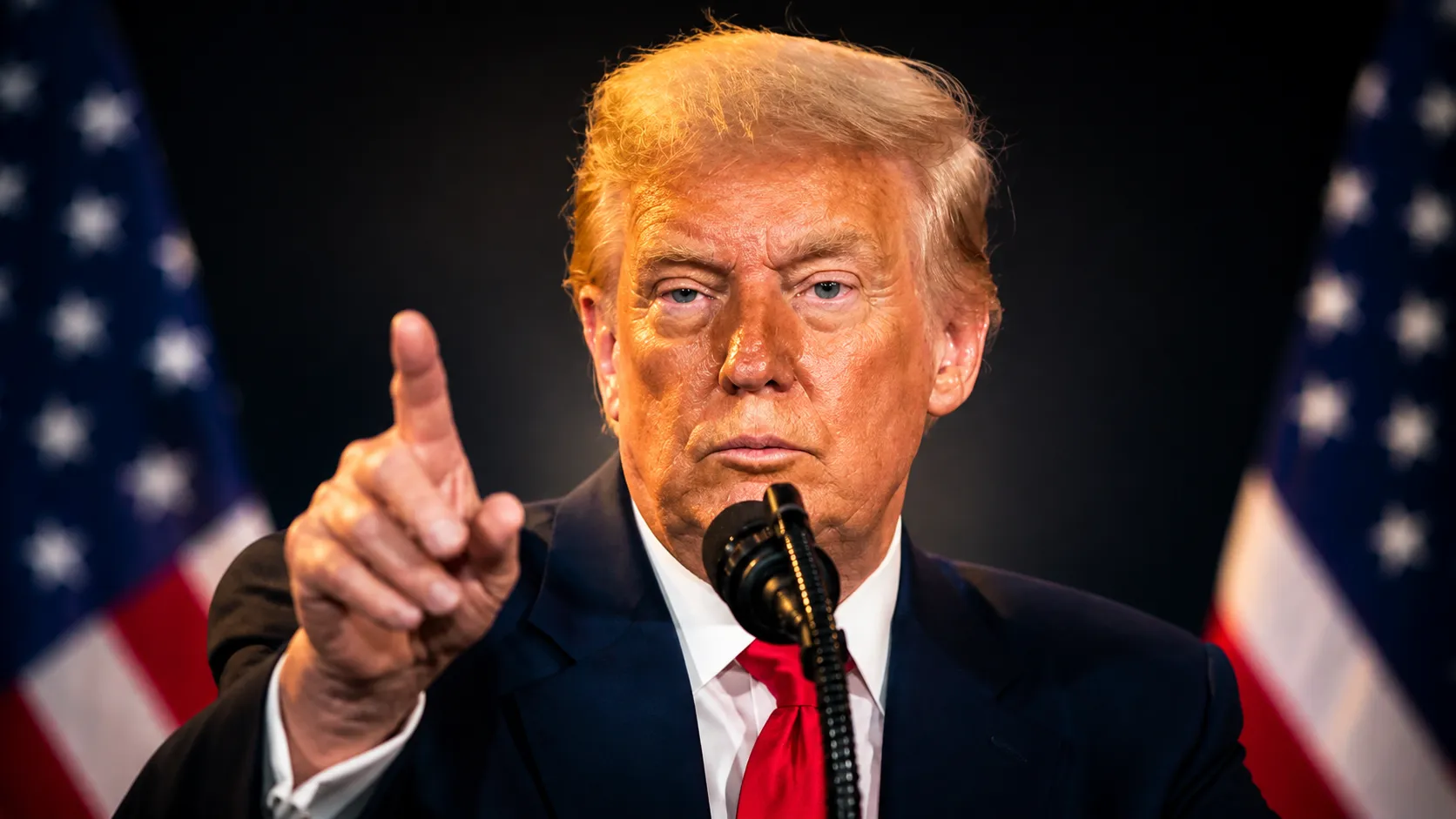
The Trump administration asked the Supreme Court on Monday to clear the way for an executive order that would place sweeping restrictions on mail-in voting ahead of November’s midterm elections, escalating a major legal battle over voting rights just 99 days before the election.
In an emergency appeal to the high court, Solicitor General D. John Sauer requested that the justices block lower court rulings that have prevented the administration from implementing key parts of President Donald Trump’s March executive order in nearly half the country. The Justice Department argued the lower court decisions are premature and impose “irreparable harm on the government” by impeding the president’s authority over federal agencies.
The executive order directed the Department of Homeland Security to compile lists of eligible voters in each state and instructed the U.S. Postal Service to deliver mail ballots only to people on those approved lists. The directive also requires states to use individualized ballot tracking barcodes on ballot envelopes and would prioritize federal prosecution of state election officials who send ballots to ineligible voters, including non-citizens.
A federal appeals court in Boston on Saturday upheld a district court ruling blocking the order’s implementation in 23 Democratic-led states and the District of Columbia. The court found that the order would impose “unprecedented levels of involvement by federal officials in how states administer elections” and would “sow confusion and threaten disenfranchisement of many eligible voters” if implemented before the midterm elections.
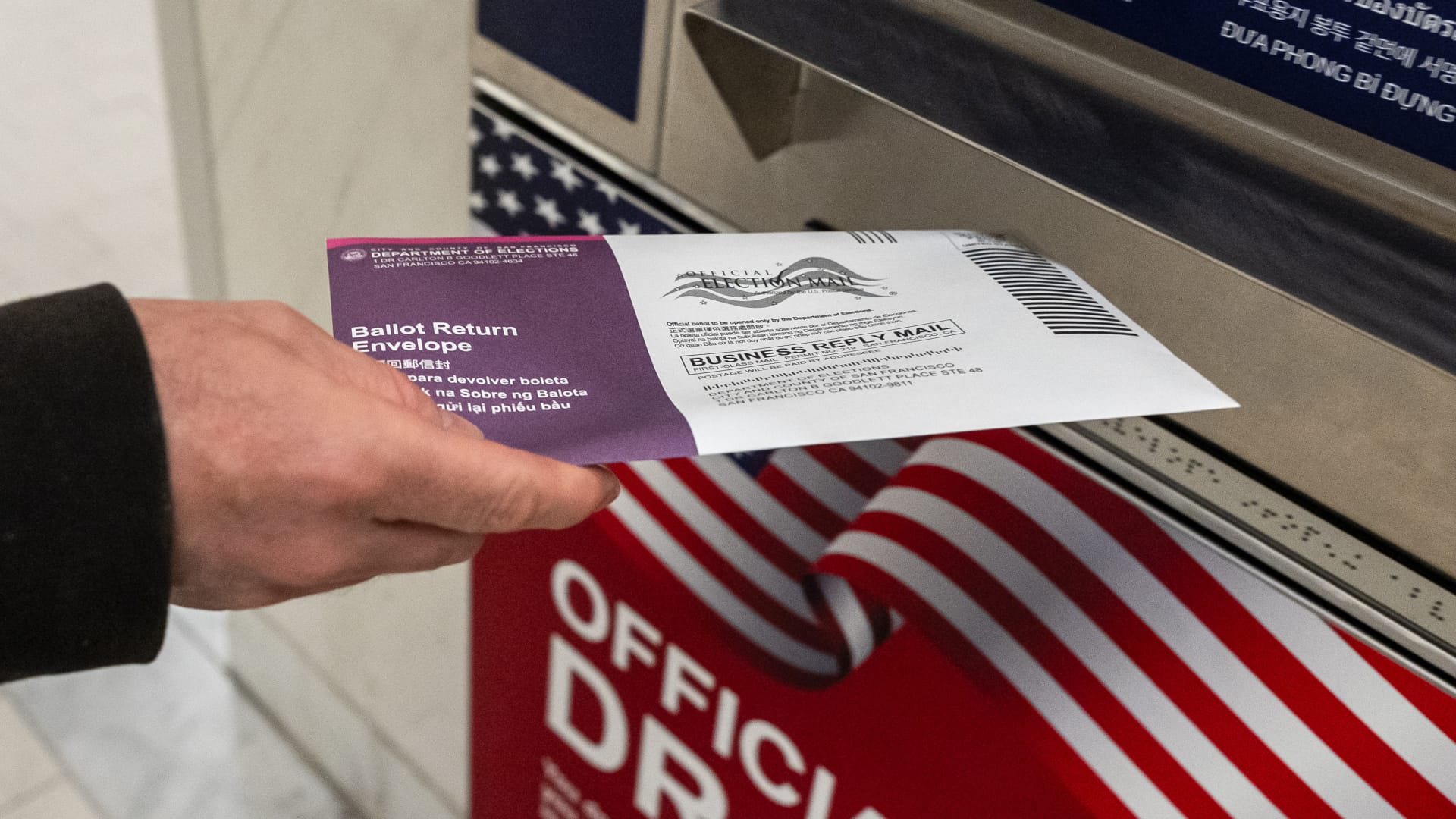
Sauer argued in his filing that the injunction was especially indefensible because federal agencies are “still deliberating over how (if at all) to implement the Order, yet the district court preemptively decided that whatever the agencies may choose to do will necessarily be unlawful.” He urged the justices to move quickly, asserting that any new policies would need to be in place by early to mid-August to be effective for the November elections.
The Supreme Court has ordered the Democratic-led states challenging the order to respond to the administration’s request by August 3. Justice Ketanji Brown Jackson assigned the case to herself, as she handles emergency matters from the 1st Circuit Court of Appeals by default.
A coalition of 23 states has argued that Trump lacks the constitutional authority to impose federal rules on elections administered by state and local officials. The Constitution, they contend, gives states and Congress authority over federal election procedures, not the president. U.S. District Judge Indira Talwani blocked key provisions of the order in June, ruling that the president lacked the authority to change how states administer federal elections and determine voter eligibility requirements.
The case represents yet another front in the Trump administration’s broader effort to remake U.S. elections. Trump has long promoted false claims of widespread voting fraud and has pushed restrictions on mail-in voting as part of his election agenda. The administration argues that the executive order is merely “general policy guidance” and promotes it as a safeguard against illegal voting.
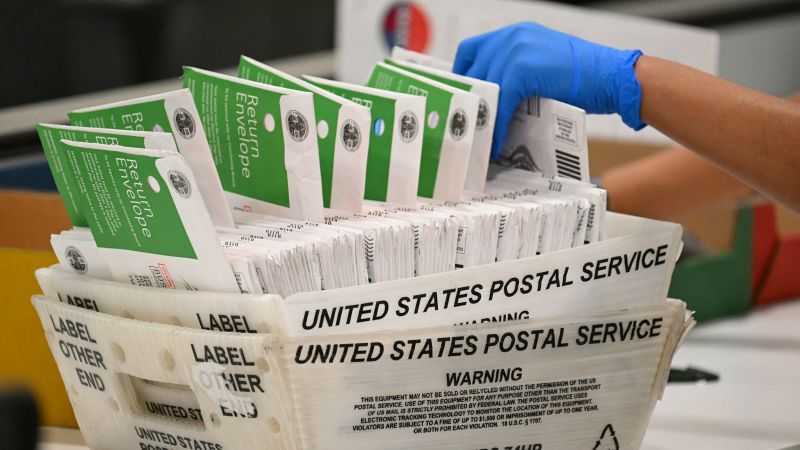
Critics and voting rights advocates have expressed alarm that the executive order could prevent eligible voters from casting or returning mail ballots. Military families, senior citizens, voters with disabilities, and those without reliable access to transportation have traditionally relied on mail-in voting to participate in elections. Some Republican-led states, including Florida, have embraced mail-in voting as a safe and convenient way to expand voter participation.
The administration also points to a database system called the Systematic Alien Verification for Entitlements program, or SAVE, which it plans to use to identify non-citizens on voter rolls. However, election experts have raised concerns that the SAVE database, originally designed to verify eligibility for government benefits, produces false positives and could wrongfully purge eligible voters from registration rolls.
While mail-in ballot fraud has been shown to be rare, and noncitizen voting is already illegal and punishable by deportation, the administration has not presented evidence of widespread fraud on a scale that could influence election outcomes. In the 2024 presidential election, approximately 30 percent of ballots were cast by mail, well above pre-pandemic levels but lower than the 43 percent reached during the height of the coronavirus pandemic in 2020.
The emergency appeal marks the 35th emergency application to the Supreme Court by the Trump administration, a significantly faster pace than previous presidents have pursued. The request comes amid other voting-related litigation heading toward the court, with multiple legal challenges testing the boundaries of presidential power over elections as the midterm contest approaches.