

The Trump administration on Tuesday announced it is deferring more than one billion dollars in federal Medicaid payments to California and Minnesota over suspected fraud and compliance concerns. The action marks the second time the administration has targeted the two states’ Democratic governors for alleged Medicaid irregularities and reflects an intensified federal crackdown on state health programs.
The Centers for Medicare and Medicaid Services will pause approximately $867.5 million in federal Medicaid payments to California and $199 million to Minnesota. Health and Human Services Secretary Robert F. Kennedy Jr. And CMS Administrator Dr. Mehmet Oz made the announcement at a press conference Tuesday, indicating the payments will remain frozen until the states provide additional documentation demonstrating that disputed claims meet federal requirements.
“If Governor Gavin Newsom or Governor Tim Walz wants this funding released, all they have to do is provide basic documentation showing that these services are legitimate and not fraudulent,” Kennedy said during the announcement. “And that’s common sense.”
The administration’s decision follows focused financial reviews conducted by CMS that identified claims requiring additional scrutiny before federal matching funds can be released. In California, audits found that spending on in-home care services increased by 24 percent over the past two federal fiscal years, more than double the national average of 12 percent. This spending anomaly alone accounts for $391 million of California’s total deferral.
Federal officials cited numerous red flags in their examination of both states’ Medicaid programs. In California, investigators identified claims billed more than a year after services were allegedly provided, as well as instances of providers billing for more than four patients simultaneously. Additionally, CMS found $5 million in payments made for beneficiaries after their dates of death. Federal officials also highlighted approximately $250 million in claims tied to high-risk providers previously flagged by fraud detection systems.
In Minnesota, the review identified concerns in 14 high-risk service areas, including personal care and home-based services. CMS found roughly $3 million in fraudulent payments linked to documentation gaps, including claims for treatment allegedly provided to deceased individuals. Minnesota recently disenrolled approximately 3,000 providers from its Medicaid program following failed background checks, failed site visits, and other compliance failures, prompting CMS to review nearly $200 million in claims tied to those providers.
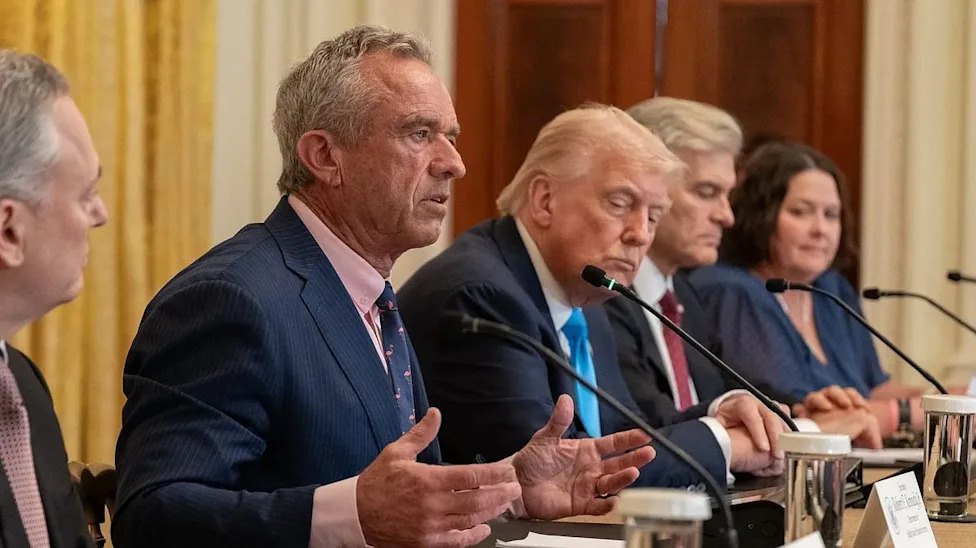
Kennedy stated that the administration used artificial intelligence, advanced analytics, and financial verification methods to identify the disputed claims. He said the action advances the administration’s effort to combat fraud, waste, and abuse in Medicaid and protect taxpayer dollars. “We have reason to believe that taxpayer money is being misused, especially through fraud. We have a duty to stop the payments, demand answers, and then follow the evidence wherever it leads,” Kennedy said.
CMS Administrator Oz emphasized the administration’s shift toward prevention rather than recovery. “CMS is done trying to chase down stolen and misused funds after they’ve already left the building,” Oz stated. “If it smells like fraud, we’re not paying for it anymore.”
The administration clarified that these are payment deferrals, not permanent funding cuts. Both states can recover the frozen funds by providing documentation to validate beneficiary eligibility, verifying that services were actually delivered, and identifying any improper payments. Deputy Administrator Dan Brillman noted that states can retrieve suspended funds if they provide the necessary documentation and demonstrate they are pursuing recovery of any identified improper payments.
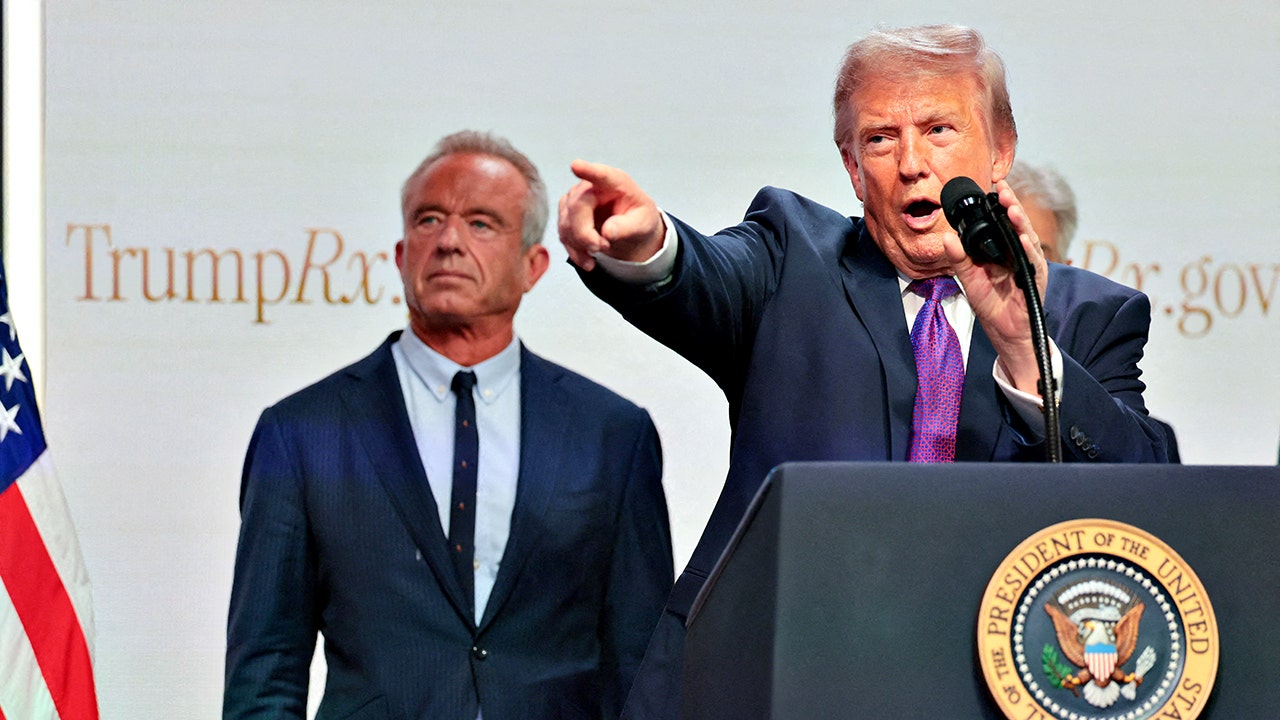
This is not the first time the Trump administration has targeted the two states. In May, the administration announced what it described as the largest Medicaid deferral in CMS history, freezing $1.3 billion in federal Medicaid payments to California. The administration had also previously deferred $350 million in Medicaid funding to Minnesota in early 2026, with multiple deferrals announced in February and April.
The administration has signaled broader intentions to scrutinize state Medicaid programs nationwide. CMS has sent letters seeking information about Medicaid program integrity, provider oversight, and fraud prevention to California, Florida, Maine, and New York. The administration promised to audit all fifty states and threatened to withhold Medicaid funds if they fail to comply with federal anti-fraud statutes.
Kennedy also announced that HHS is expanding the exclusion authority of CMS and the HHS Office of Inspector General, enabling them to remove suspected fraudsters from federal healthcare programs and, in many cases, permanently bar them from participating in Medicare and Medicaid in the future. The administration stated the expansion of exclusion authority is a critical tool to identify and remove bad actors from federal health programs.
Federal officials pointed to recent criminal prosecutions as evidence supporting their fraud concerns. More than 75 people have been charged in connection with pandemic-era healthcare fraud schemes, with charges involving hundreds of millions of dollars in allegedly fraudulent claims. A recent prosecution in Minnesota involving the state’s Integrated Community Supports program resulted in charges against a defendant for a $1.4 million scheme to bill for services not provided as represented, including claims submitted for deceased beneficiaries.
The action underscores the administration’s emphasis on program integrity and suggests that additional funding deferrals affecting other states could be forthcoming as federal reviews continue.