

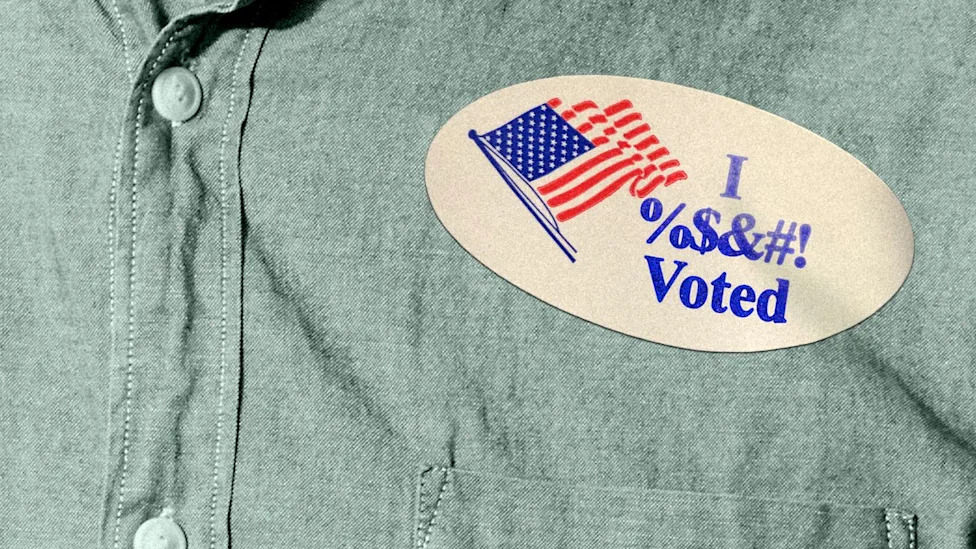
A new study reveals that 87 percent of swear words used by U.S. Political leaders since 1919 have come from the past decade alone.
Presidents, vice presidents and presidential hopefuls have used profanity at least 692 times in public since 1919, according to data from Cardiff University. Trump and former President Biden account for 78% of all recorded profanity.
The stark finding comes as political rhetoric in America has become increasingly unfiltered. Politicians are increasingly abandoning scripted language and publicly cursing as profanity becomes a more common political tool.
Trump said Wednesday that Washington is “going to beat the fucking shit” out of Iran, in an angry response to Tehran’s surprise overnight missile attacks on U.S. Targets in the region. Trump made the remarks during an interview, signaling that the brief pause in military action against Iran may be over.
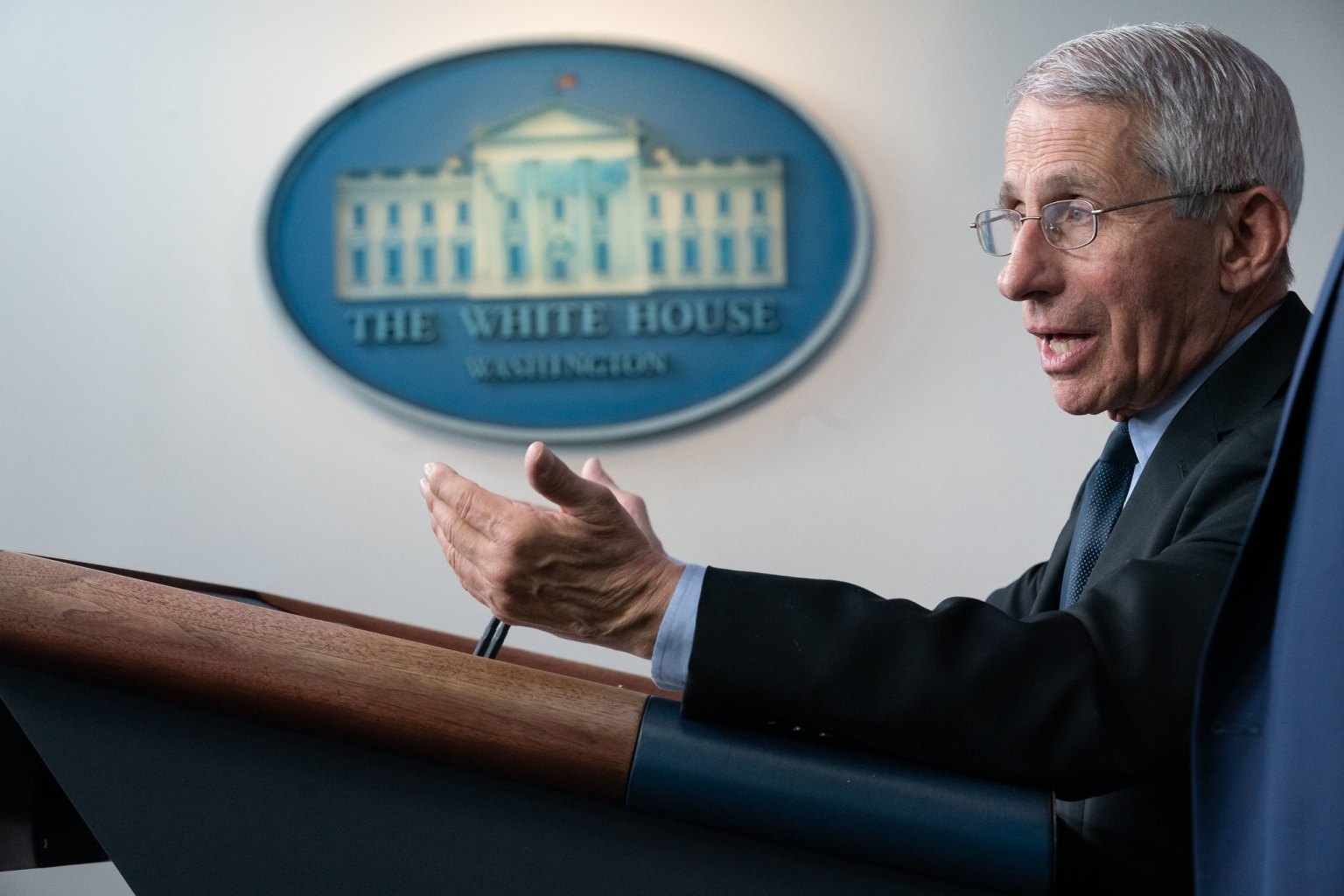
Sen. Bernie Moreno, R-Ohio, brought the profanity trend directly into Congress the same day. During a Senate hearing Wednesday, Moreno castigated Dr. Anthony Fauci and his handling of the COVID-19 pandemic, telling Fauci: “Who the fuck do you think you were for doing that?”
Moreno said he decided to run for office after learning that a woman was arrested at an Ohio middle school football game in 2020 for refusing to wear a mask, and later asked Fauci, “Here I am sitting in front of you six years later, saying, who the fuck do you think you were for doing that?”
Fauci invoked his Fifth Amendment right and declined to answer lawmakers’ questions. Fauci, who has been a target of Republicans for years for his handling of the pandemic, looked straight ahead and did not react to the senator’s accusations.
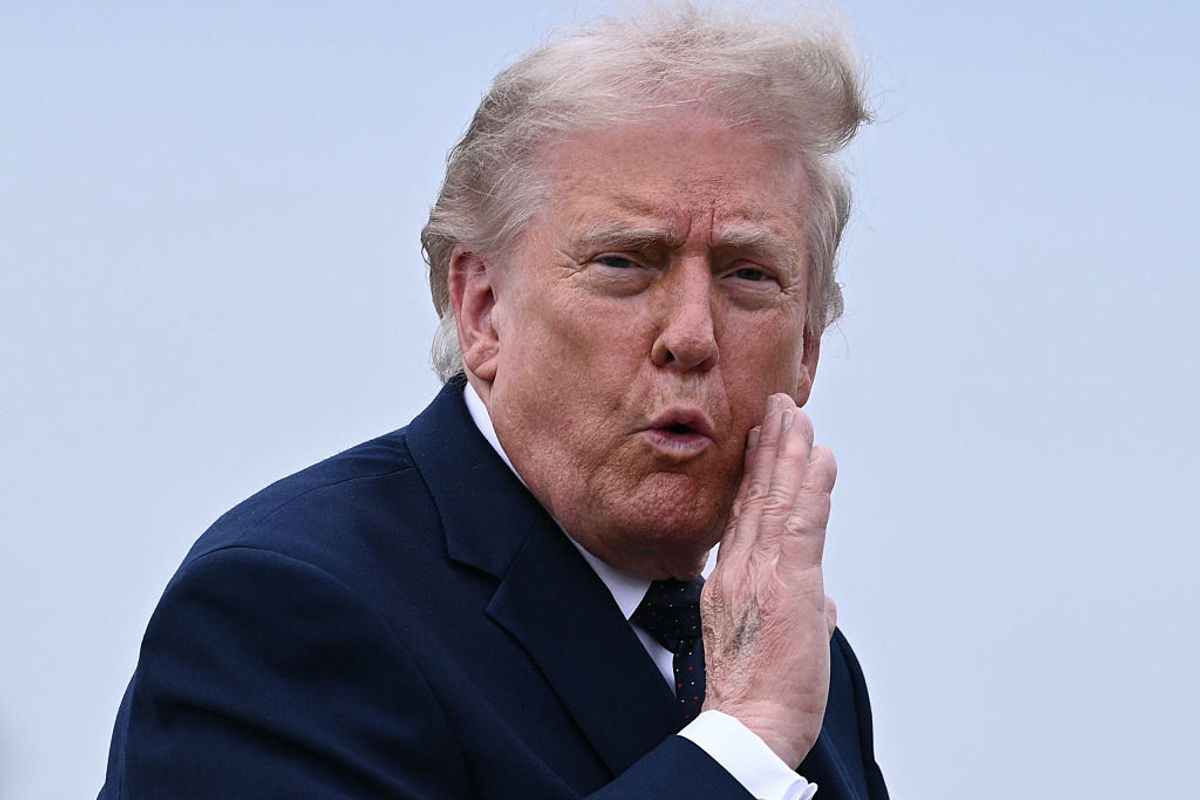
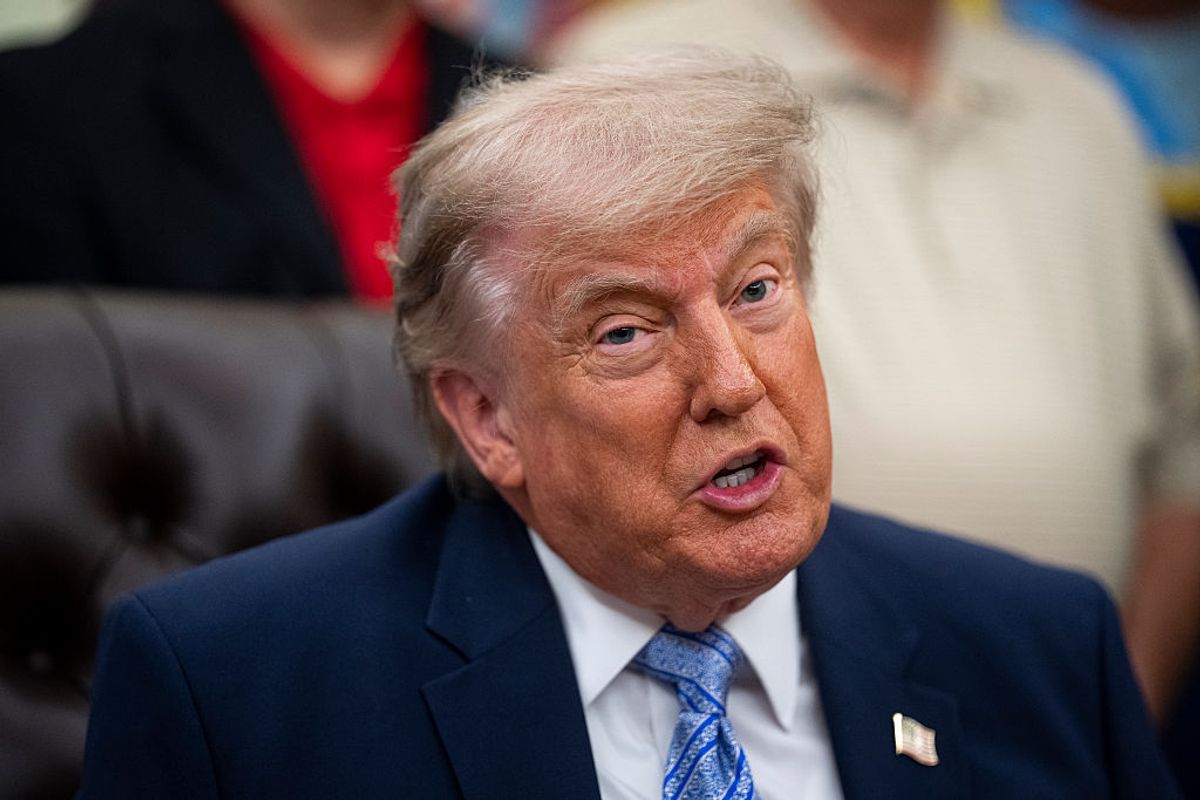
The rise in political profanity reflects deeper shifts in American political culture. The shift suggests politicians are using profanity intentionally to project authenticity, signal confrontation and distance themselves from traditional Washington norms, according to Nick Beauchamp, a professor at Northeastern University who studies political rhetoric.
Beauchamp said, “I think that part of the appeal of the strong language… is to take some of that same energy that might otherwise be directed towards radical policy, and instead directs it towards a radical rejection of the status quo.”
Linguistic preferences differ between the two presidents who lead the profanity count. Biden prefers words such as “damn,” whereas Trump has used more colorful language like “fuck,” “shit,” “bastards” and “shithole.”
Other politicians are following suit on social media and in public remarks. Sen. Ruben Gallego, D-Ariz., wrote “fuck” in at least 77 X posts from 2020 to April 2026, and Rep. Derrick Van Orden, R-Wis., used the f-word at least 35 times, according to the outlet analysis.
Research suggests voters may be responding positively to the trend. Voters perceive swear words as significantly more informal, which measurably improves voters’ overall impression of a candidate by making them sound like an ordinary person, according to a study published in the Journal of Language and Social Psychology.
In Trump’s second term, about 93% of his speeches include at least one vulgar term, which includes profanity, demeaning language, and insults, such as “low IQ,” which he has repeatedly used toward political opponents.
White House communications defended Trump’s approach. White House spokeswoman Olivia Wales said, “President Trump doesn’t care about being politically correct, he cares about Making America Great Again. The American people love how authentic, transparent, and effective the President is.”

Public opinion remains mixed on the shift. According to a poll from Deseret News and Hinckley Institute of Politics, conducted by Morning Consult, only about 3 in 10 Americans find cursing somewhat or completely acceptable for politicians.
The historical context shows how unusual this moment is. It used to be rare for presidents, even as candidates, to swear in official remarks. Woodrow Wilson broke the profanity seal in 1919, recounting a time where he made a “conspicuous ass of himself.”
US presidents across history have been known to use profanity, but their remarks weren’t generally reported on in newspapers even if reporters knew about them, and Lyndon B. Johnson’s reputation as a foul-mouthed president only became public afterward through historical accounts and White House recordings.
Modern norms shifted dramatically during Richard Nixon’s era. That norm changed somewhat during Richard Nixon’s Watergate scandal, when transcripts of White House recordings revealed his penchant for swearing, but the actual curse words were replaced with [EXPLETIVE DELETED], which became a national punchline.
Democratic strategists say their side is following Trump’s lead out of political necessity. Nick Beauchamp noted that “Heading into 2026, Democrats know voters want more fighting, more vigor, more confrontation with Trump,” and there is “frustration because those efforts haven’t produced much tangible effect over the past several years. So there’s a kind of escalation happening — rhetoric has to get more intense to have the same impact.”
Experts warn the strategy has diminishing returns. Beauchamp says comedians learned a long time ago that certain words lose their “power to shock” as people get used to them, and politicians can lean on an f-bomb now to connect with voters, but eventually splashy, profane headlines alone won’t substitute for substantive policy.
The Trump administration’s next appearance on the Senate floor is scheduled for midweek testimony on federal budget matters.