

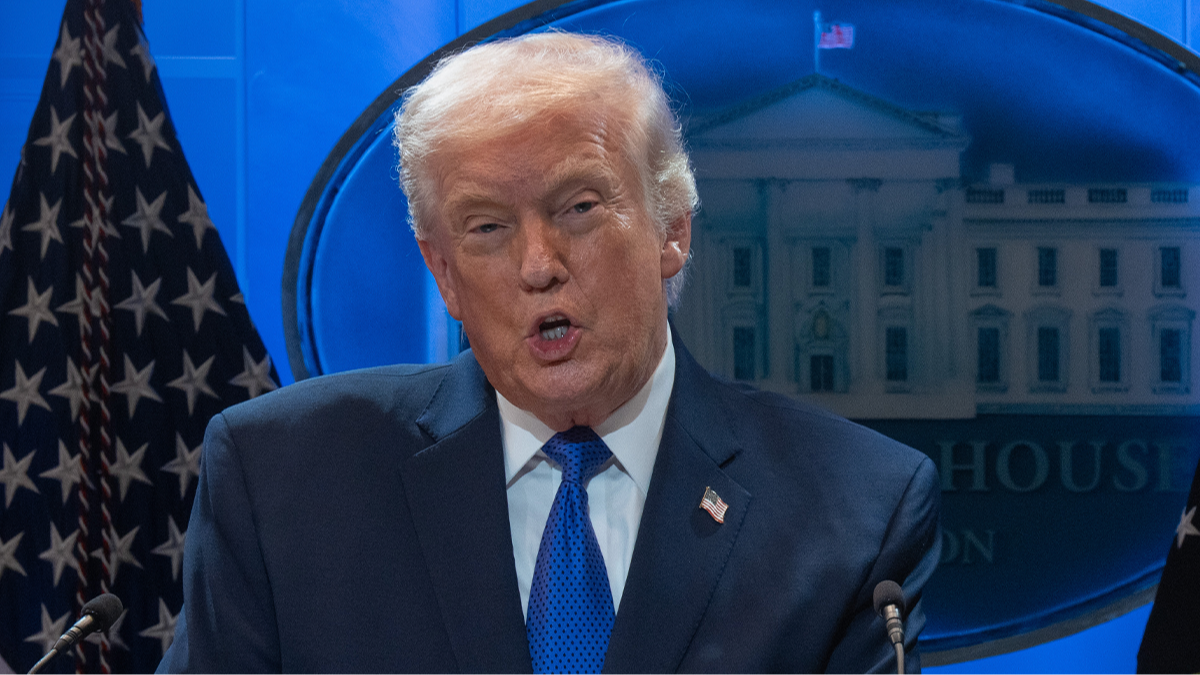
President Trump erupted after the Supreme Court dealt a major blow to his economic agenda, branding the justices an “embarrassment” following a ruling that wiped out a central element of his plan.
The decision centered on the broad tariffs Trump rolled out against both allies and adversaries since “Liberation Day” shortly after returning to office. On Friday, in a landmark 6–3 vote, the conservative-leaning court sided against the president and struck the policy down.
“They’re just being fools and lapdogs for the RINOs and the radical left Democrats,” the president said during an angry press conderence, where he alleged—without providing evidence—that the court had been “swayed by foreign interests.”
He also lashed out at two justices he previously appointed, Neil Gorsuch and Amy Coney Barrett, calling them “an embarrassment to their families, to one another,” after they broke with him in the ruling. Trump then outlined how he intended to proceed despite the decision.
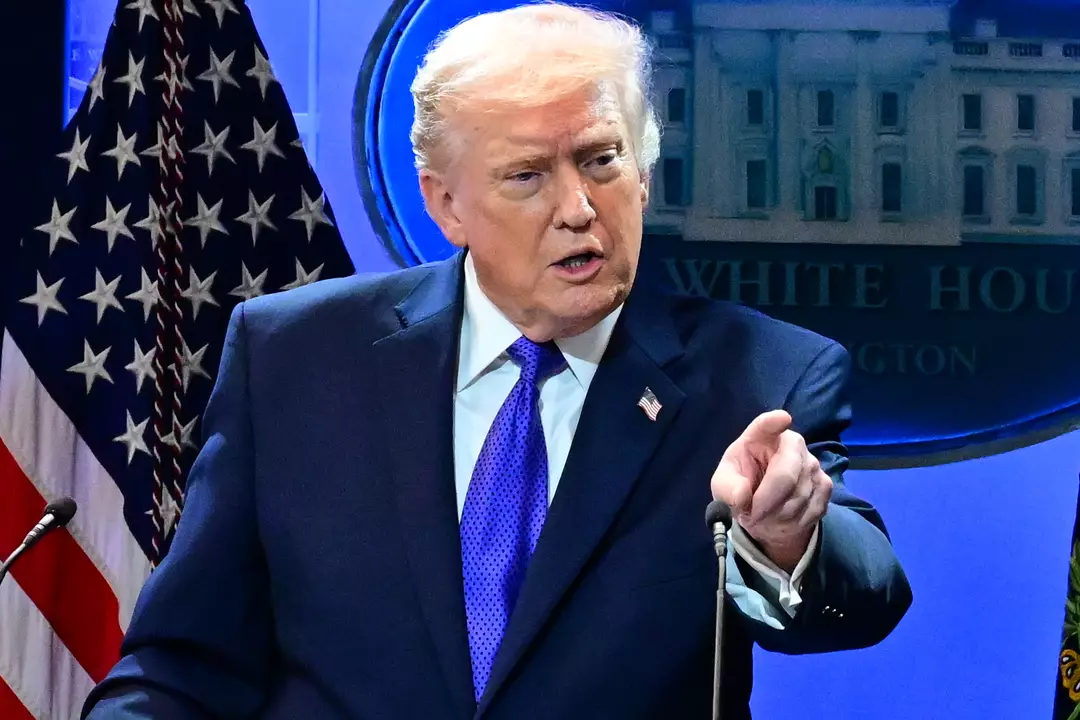
“I’m ashamed of certain members of the court. Absolutely ashamed for not having the courage to do what’s right for our country,” he said.
At the heart of the challenge to Trump’s one-man tariff strategy was a basic constitutional argument: duties on imports function as a tax, and the Constitution assigns taxing authority to Congress—not the president.
The ruling is expected to trigger a long legal fight, potentially stretching months or even years, as businesses and consumers push to recoup tariff charges paid since the start of 2025.
Even so, Trump signaled he considers the policy far from dead. Pointing to a different legal pathway, he said he would move to place a 10 percent tariff on imports from every country worldwide.
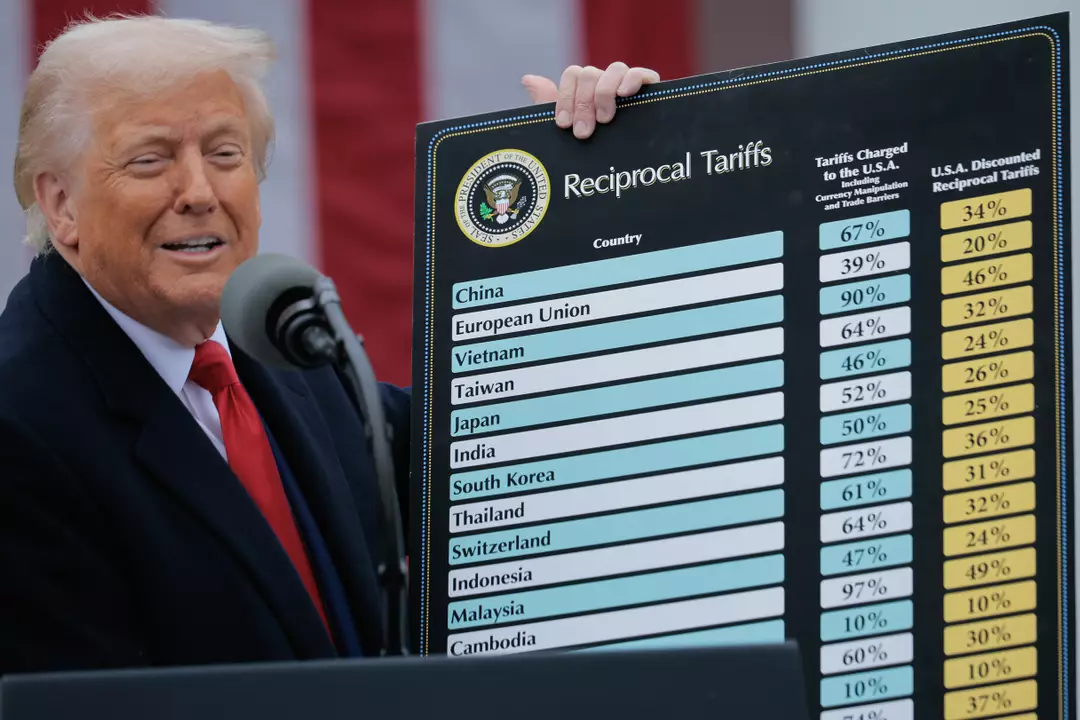
“We have alternatives – great alternatives and we’ll be a lot stronger for it,” he said, before explaining the administration would invoke Section 122 of the 1974 Trade Act—an authority he described as historically unused—to revive a form of import tax.
That provision is said to allow the president to impose tariffs of up to 15 percent on any country for 150 days, after which congressional approval would be required to keep them in place.
The 10 percent across-the-board approach would also override the logic of multiple trade agreements designed to reduce tariffs with close partners, including arrangements that had carved out lower rates for allies such as the UK and its automotive industry.
However, that deal was effectively shelved when Trump announced the new blanket 10 percent measure, set to begin on February 24.
Some Americans impacted by the original tariffs may welcome the court’s move, but Edward Fishman—a former State Department official and a director at the Council on Foreign Relations—told the New York Times the bigger shift is what this does to Trump’s leverage overseas.
He said: “Even if he can gradually reinstate the existing tariffs over time under different authorities, he will no longer be able to credibly threaten tariffs to advance foreign policy objectives. That will be a massive change in how Trump conducts foreign policy.”