

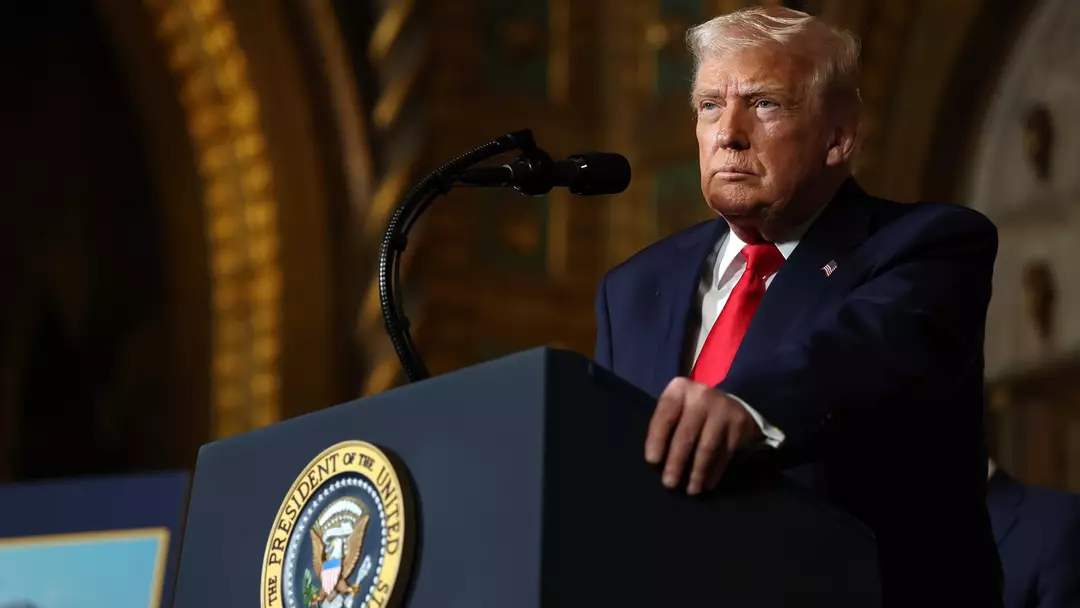
Donald Trump has made a bold statement claiming that his power as a world leader is only limited by his ‘own morality.’
In an interview with the New York Times released on Thursday, the US President expressed his view that he isn’t bound by external checks on his power, such as Congress or international law.
Trump suggested that his sense of morality serves as the only barrier to the misuse of his power. He told the publication: “There is one thing. My own morality. My own mind. It’s the only thing that can stop me.”
When questioned about adhering to international law, he stated bluntly: “I don’t need international law.”
However, he acknowledged that while in office, he would adhere to it.
Despite concerns this may raise, the President emphasized he had no intentions of ‘hurting anyone’ but wanted to free the US from international guidelines that clash with American interests.
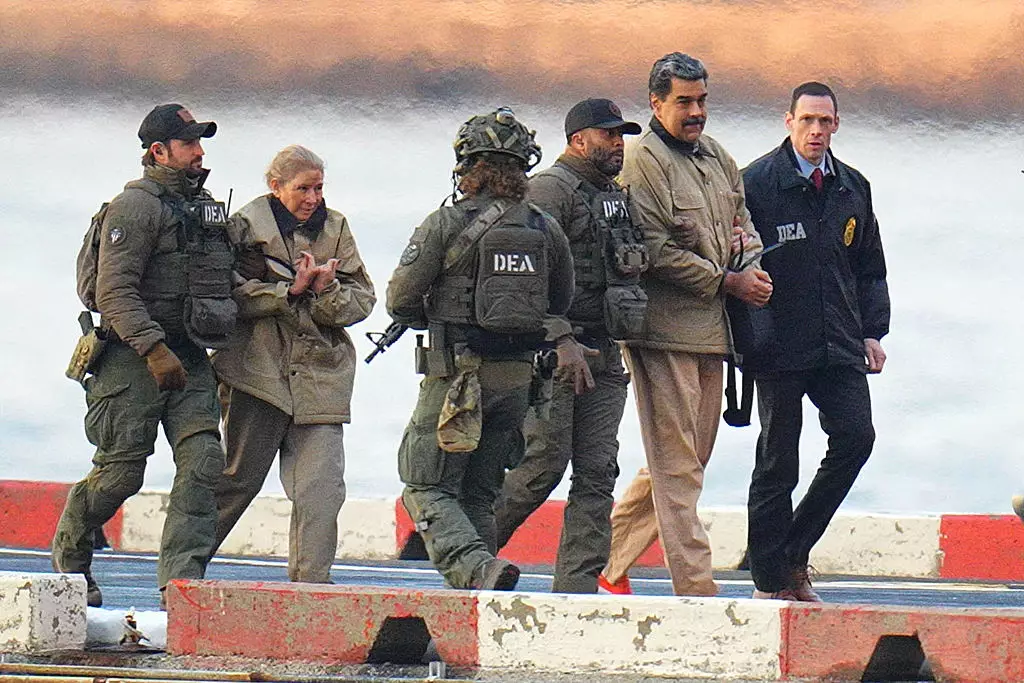
Trump has previously disregarded international law, notably with his interest in ‘purchasing Greenland,’ and his actions involving Nicolás Maduro’s removal from Venezuela to face drug charges in the US.
The latter action has sparked legal questions, as Trump deployed military forces beyond US jurisdiction to capture Maduro.
Trump’s decision to seize oil and control the country for an indefinite period has faced severe criticism, with accusations of piracy.
The President’s rhetoric regarding foreign nations, particularly Cuba and Colombia, has heightened tensions due to his threats to treat them similarly to Venezuela.
Colombian President Gustavo Petro expressed concern over these threats, contacting Trump during his NYT interview to voice his fears and reject any aggressive actions.
“Well, we are in danger,” warned Petro. “Because the threat is real. It was made by Trump.”
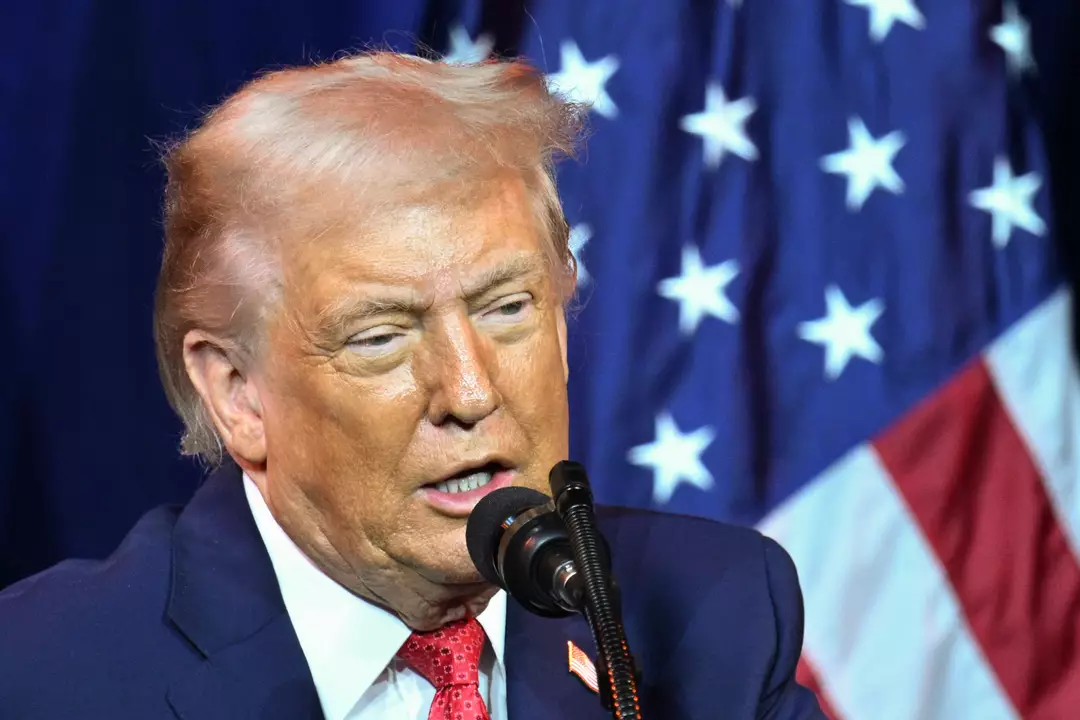
Typically, the President is accountable to Congress, but Trump has continued to act without the formal approval of the House of Representatives or the Senate.
According to the New York Bar association, his unauthorized use of military force against Maduro violated both the Constitution, which grants Congress the power to declare war, and the War Powers Act of 1973, which requires Congressional approval for military actions except in defense of military personnel or facilities.
His actions also breached the United Nations Charter, which forbids the threat or use of force against any state’s territorial integrity or political independence.