

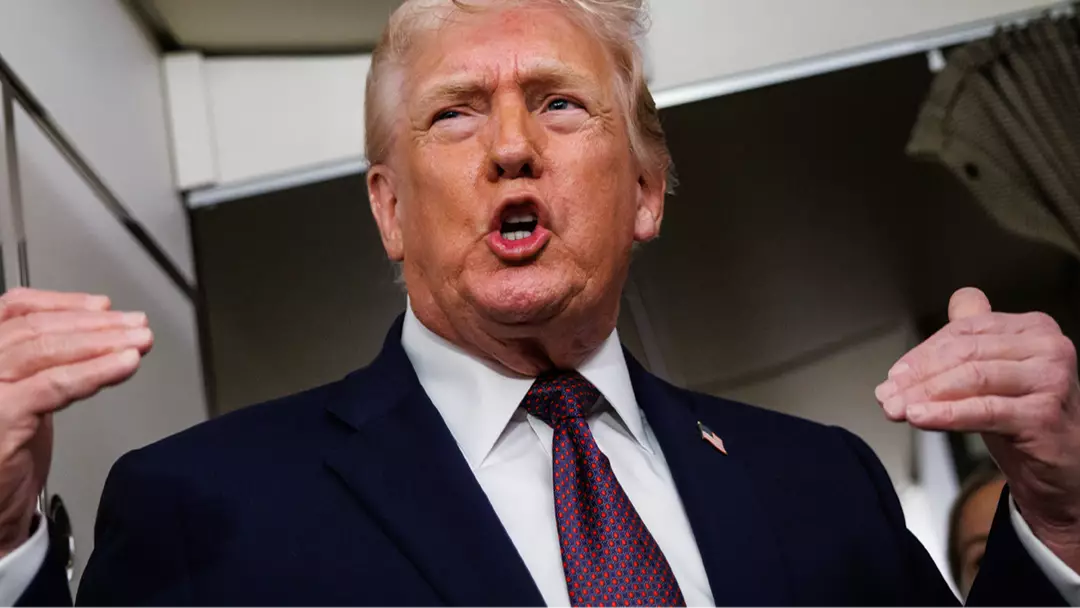
Donald Trump has asserted that white people in the United States have been ‘very badly treated’ due to civil rights and affirmative action initiatives.
During his second term, Trump has focused on reducing funding for DEI (Diversity, Equity, and Inclusion) programs across the country.
These initiatives were designed to assist individuals from disadvantaged backgrounds in accessing education, employment, and healthcare.
However, Trump has criticized civil rights movements that aimed to promote equality for racial minorities in the U.S., using the far-right argument that they led to ‘reverse discrimination’ against white people.
This perspective is shared by others, including the late far-right activist Charlie Kirk, who labeled the U.S. Civil Rights Act as a ‘mistake’.
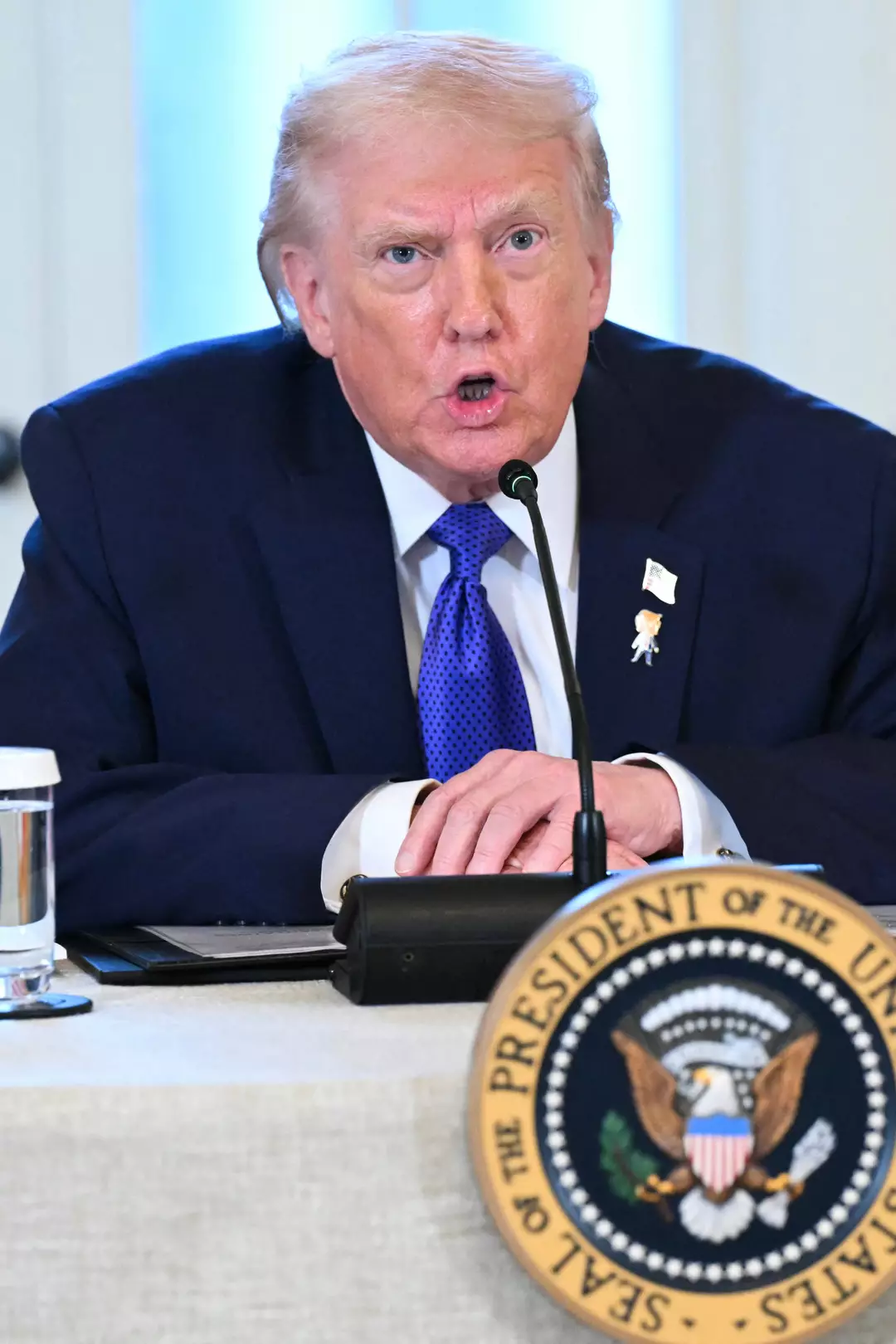
Trump stated: “White people were very badly treated, where they did extremely well and they were not invited to go into a university to college.”
This comment appeared to target affirmative action programs designed to help minority groups.
He added: “So I would say in that way, I think it was unfair in certain cases.”
Trump also mentioned that while civil rights movements achieved ‘some very wonderful things,’ they also caused harm.
He elaborated: “People that deserve to go to a college or deserve to get a job were unable to get a job. So it was, it was a reverse discrimination.”
Racism is commonly defined as a system that uses societal power structures to discriminate against individuals based on ethnicity.
It can be subtle, yet it has a significant impact on people’s lives, stemming from systemic discrimination.
For instance, after slavery ended in the United States, many predominantly black communities began to prosper, which angered former slaveholders.
This led to violent events like the Tulsa Race Massacre, where white supremacists attacked and destroyed black neighborhoods in Tulsa, Oklahoma, in 1921.
Racism was institutionalized through Jim Crow Laws, which enforced racial segregation and even inspired figures like Hitler.
Measures were taken to economically deprive and underdevelop majority black neighborhoods and to prevent black communities from participating fully in the democratic process.
Critics argue that the U.S. prison system is a modern extension of slavery, noting the ‘penal exception clause’ in the 13th Amendment, which allows slavery as a punishment for crime, pointing out the overrepresentation of black people in U.S. prisons.
A common rebuttal to claims of ‘reverse discrimination’ is that for those in privileged positions, equity can feel like discrimination.