

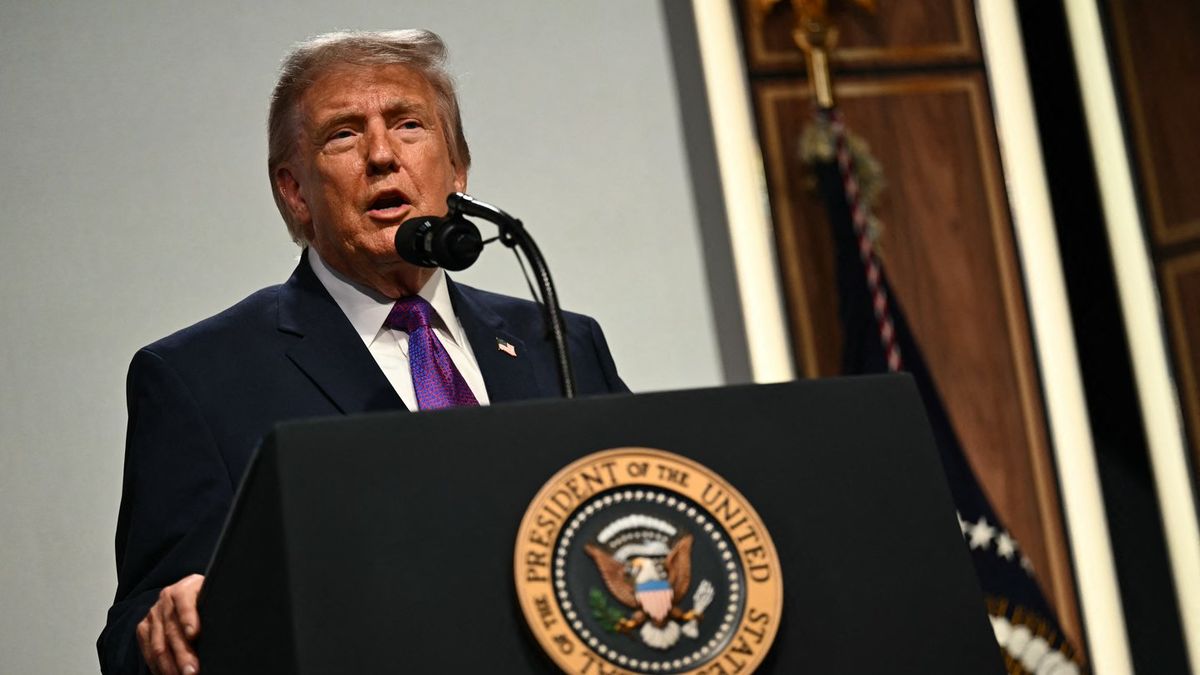
President Donald Trump has shared that he is uneasy about the ongoing Ebola outbreak after confirmation that a US citizen has tested positive.
Earlier this week, officials disclosed that six Americans had been exposed to the virus while in the Democratic Republic of Congo, and that one of them has since been confirmed to have contracted Ebola.
The update came only days after the World Health Organization (WHO) issued a global health emergency declaration in response to the newly identified strain, which has no vaccine at present.
The strain involved, Bundibugyo, is reported to have a fatality rate of around 50 percent.
At a subsequent press briefing, Trump was asked by a reporter whether people in the United States should be worried.
“I’m concerned about everything, but certainly [I] am,” the POTUS said during a White House event which was centered around consumer-drug website TrumpRx.

“I think that it’s been confined right now to Africa, and but it’s something that has had a breakout,” he said.
After those comments, White House Domestic Policy Council deputy director Heidi Overton said the American who tested positive in the DRC, along with six additional high-risk contacts, would be transported to Germany.
“We want to thank our German counterparts,” she said. She then went on to explain: “That is an internationally recognized location for viral hemorrhagic fever treatments.”
Overton also noted that reaching a specialist facility in Germany would take less time than traveling to the United States. The person has not been publicly identified.
The current outbreak began in Bunia, the provincial capital, on 24 April, with a nurse described as the first known case.
According to the WHO, as of May 16 there were eight laboratory-confirmed cases, 246 suspected cases, and 80 reported deaths in Ituri Province in the Democratic Republic of the Congo.
More recently, it has been reported that DRC health officials have put the figures at 131 deaths and 513 suspected cases.
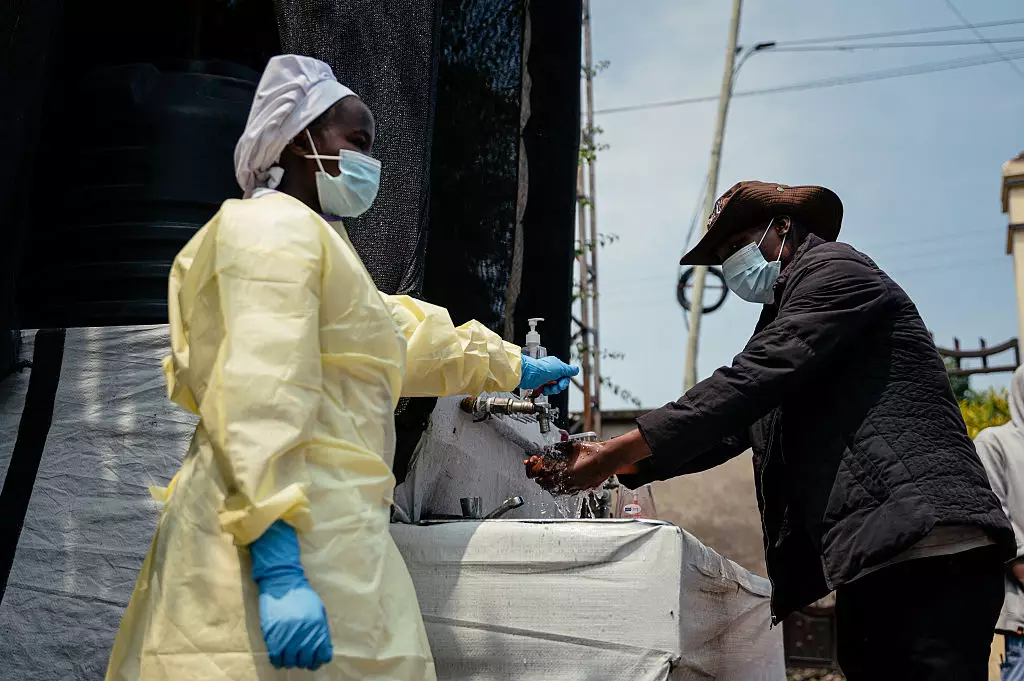
The WHO has since classified the situation as a public health emergency of international concern affecting Congo and Uganda.
At the same time, the agency has said the spread does not meet the threshold for a “pandemic emergency” on the scale of COVID-19.
For that reason, the organization has not recommended border closures at this stage.
As for what to look out for, Ebola symptoms can emerge anywhere from two to 21 days after exposure to someone carrying the virus.
Early signs may include fever, aches and pains, muscle weakness, sore throat, and headache.
After roughly four to five days, many patients can deteriorate, developing vomiting and diarrhea, abdominal pain, and in some cases unexpected bleeding.
The CDC has said that people who develop more severe symptoms sooner are at greater risk of dying.