

President Donald Trump has announced a suspension of federal funding to ‘sanctuary cities’ and states, set to begin at the start of next month.
This decision is part of his administration’s intensified efforts on immigration control and is likely to impact 11 U.S. states identified by the Department of Justice.
‘Sanctuary states’ are typically regions where local governments do not fully comply with the Trump administration’s immigration policy, opting instead to limit cooperation with Immigration and Customs Enforcement (ICE) officers and protect undocumented individuals from deportation.
Trump has previously threatened to cut federal aid to these states, although such attempts have often been blocked by the courts.
In August, a federal judge stopped the Trump administration from withdrawing funds from 30 jurisdictions as part of his immigration crackdown.
In April, the President instructed federal officials to cut funding to sanctuary jurisdictions; a California judge, however, declared the move ‘unconstitutional’ (via Associated Press).
Speaking at the Detroit Economic Club on Tuesday (January 13), Trump declared: “Starting February 1, we are not making any payments to sanctuary cities or states having sanctuary cities because they do everything possible to protect criminals at the expense of American citizens.
“It breeds fraud and crime and all of the other problems that come, so we’re not making any payment to anybody that supports sanctuary cities.”
In a post on Truth Social, Trump further stated that if states want resources, ‘they will have to pay for them’.
During his speech, Trump did not specify which funds or states would be affected, but the Department of Justice’s initial list of Sanctuary Jurisdictions includes several locations.
The list also identified three counties: Cook County in Illinois, San Diego County, and San Francisco County in California.
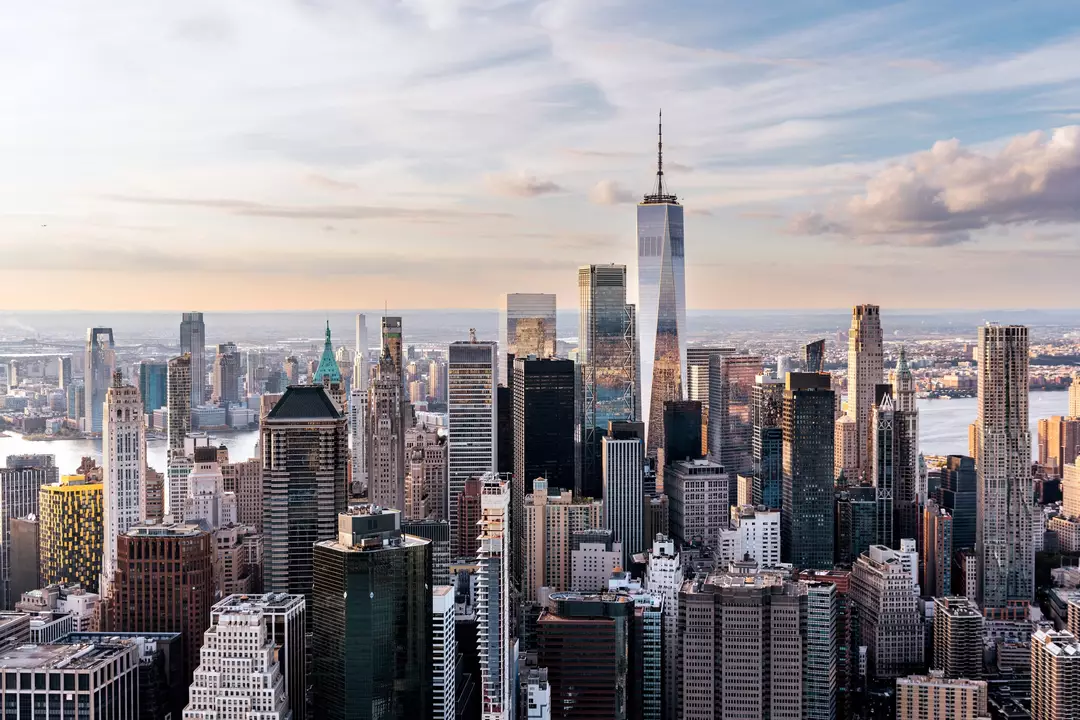
Additionally, the cities listed were Albuquerque, Berkeley, Boston, Chicago, Denver, East Lansing, Hoboken, Jersey City, Los Angeles, New Orleans, New York City, Newark, Paterson, Philadelphia, Portland, Rochester, Seattle, and San Francisco.
The Department of Justice (DOJ) stated that the decision followed a thorough examination of the jurisdictions’ ‘documented laws, ordinances, and executive directives,’ with the possibility of more being added later.
Each state will have the chance to respond, they added.
Meanwhile, various other lawsuits regarding funding and sanctuary policies have been filed, according to Reuters.
In August, the DOJ identified three dozen ‘sanctuary’ cities, with Attorney General Pamela Bondi arguing that these policies ‘impede law enforcement and put American citizens at risk by design’.