

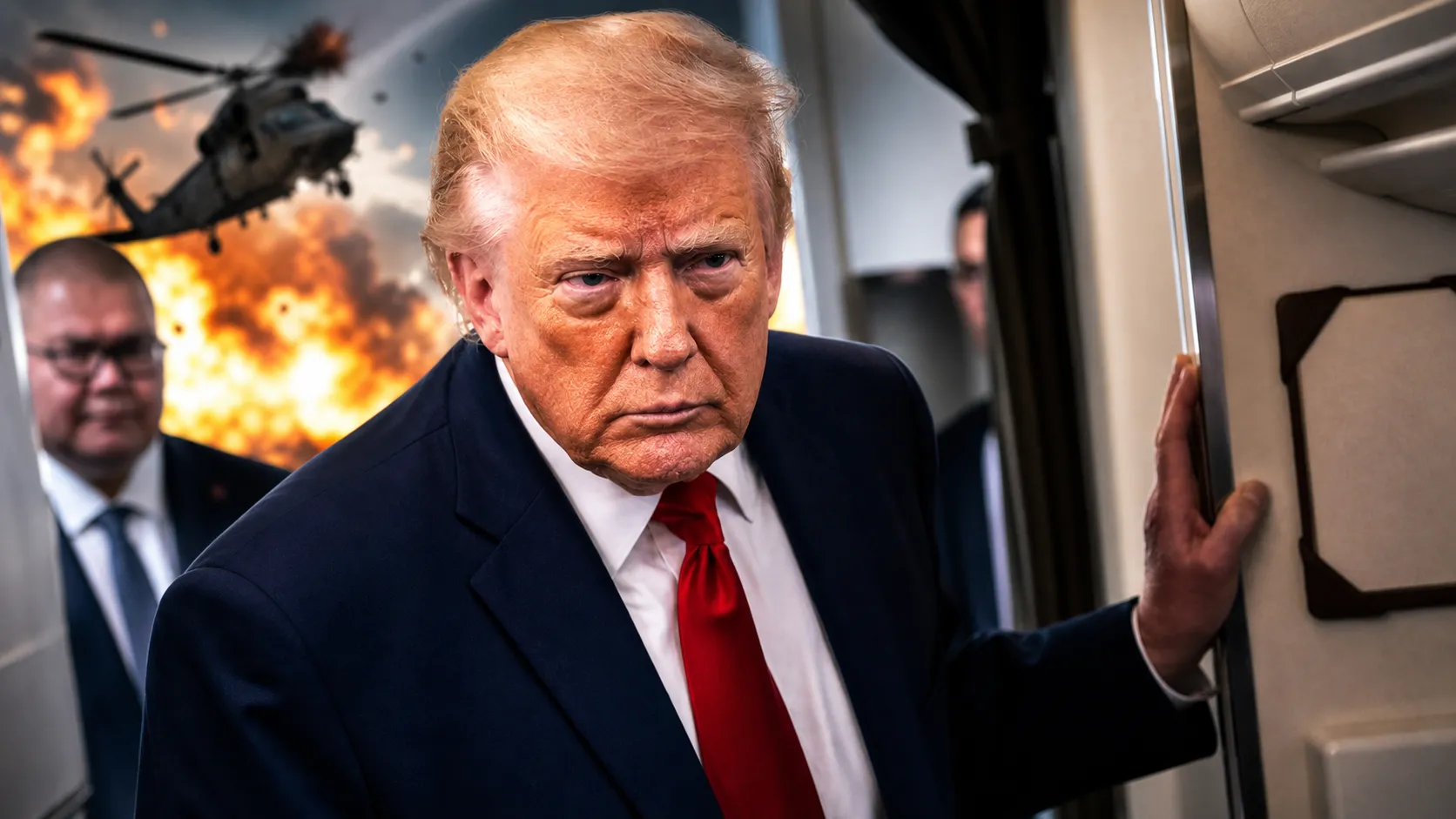
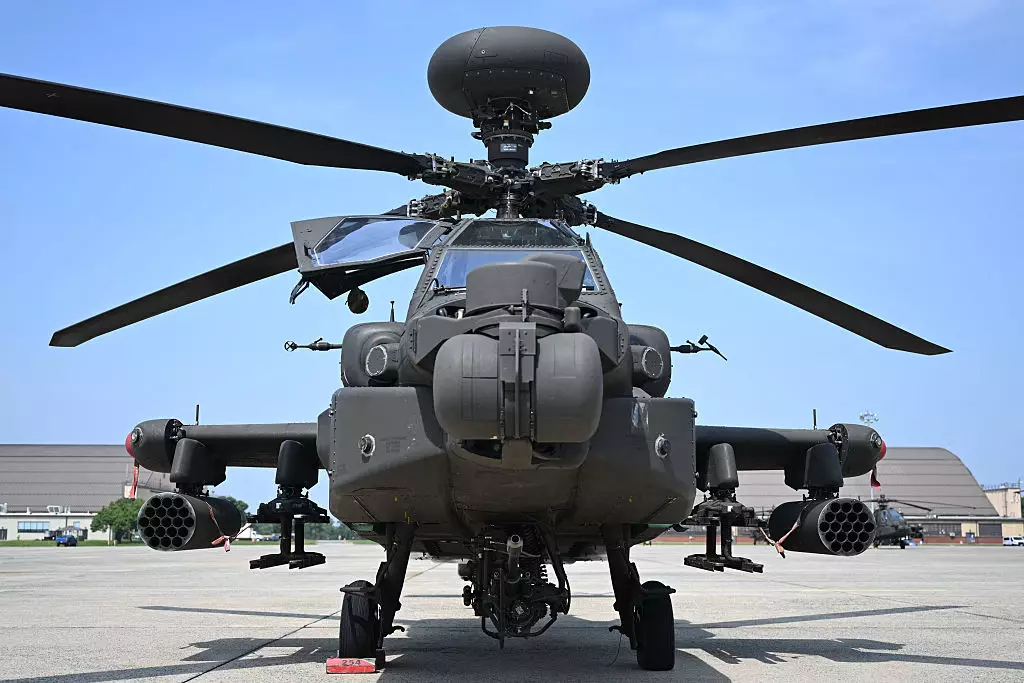
Donald Trump has warned that the United States will respond after Iran allegedly downed a US Apache helicopter near the Strait of Hormuz, adding to renewed fears that tensions in the Middle East could spiral further.
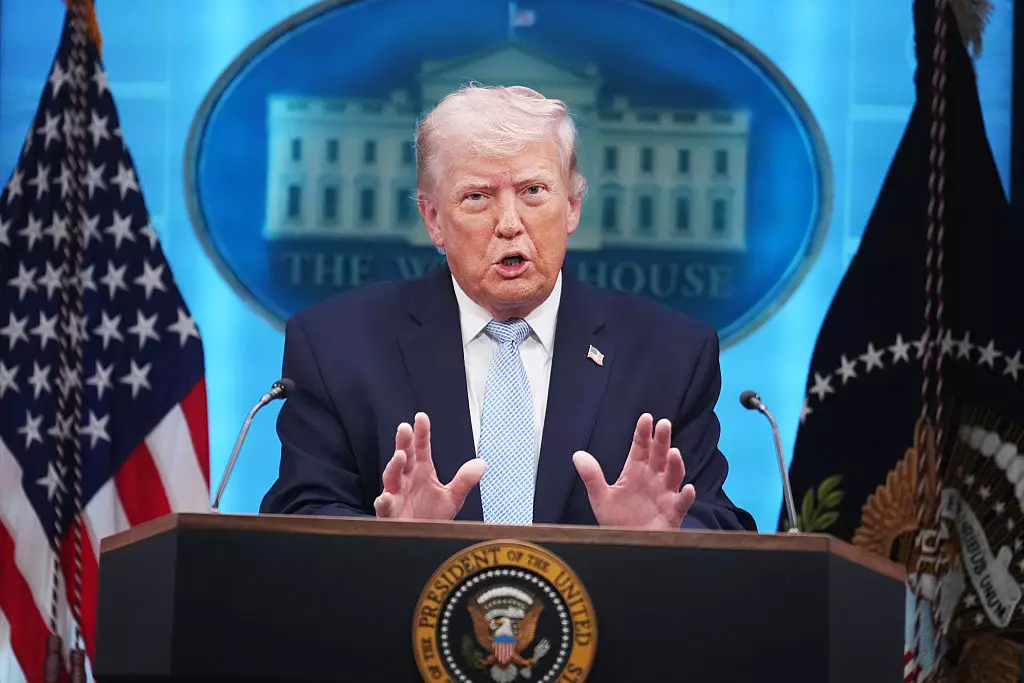
In a post shared on Truth Social, Trump said he had been updated by military officials after the aircraft went down while operating in the strategically important waterway.
“The Iranians shot down one of our highly sophisticated Apache Helicopters while patrolling over the Strait of Hormuz,” he wrote.
“There were two pilots involved, both are safe and uninjured. Nevertheless, the United States must, of necessity, respond to this attack.”
US Central Command said the incident involved a US Army AH-64 Apache that went down near the coast of Oman on Monday, June 8, while patrolling regional waters. The command said the two crew members were rescued at 7:33pm ET within roughly two hours and were in stable condition.
According to a US official, early assessments suggested the Apache may have been taken down by an Iranian drone. Another official said investigators had not yet determined whether any impact was deliberate, and CENTCOM said the cause of the incident remained under investigation.
Military officials described the recovery that followed as highly unusual, with the two crew members rescued by an unmanned surface vessel operated by Task Force 59.
Captain Tim Hawkins, a spokesperson for US Central Command, said that the pair were collected by a Task Force 59 unmanned surface vessel, effectively a drone boat.
US officials later said the operation marked the first known time the American military had used a sea drone to rescue personnel from the water. The vessel was operated by the US Navy’s Fifth Fleet, which is based in Bahrain and oversees maritime operations across the region.
The rescue was led by US Naval Forces Central Command and the 82nd Airborne Division, with support from Air Force and Navy units, including Task Force 59. The unit was created in 2021 to integrate unmanned systems and artificial intelligence into US naval operations in the Middle East.
The outlet was the first outlet to report the incident.
Iranian outlets appeared to refer to the episode, with the semi-official Mehr News Agency saying Iran had not claimed responsibility and that the Revolutionary Guard had not yet released a statement.
The incident has unfolded at a delicate stage in relations between Washington and Tehran, with US officials trying to determine whether the downing was intentional while the White House continues to signal that a response is likely.
Earlier on Tuesday, Trump told reporters that talks over a nuclear agreement were in their “final throes” and suggested a deal could be completed within days.
“We’re in the final throes of what will be a very, very good deal that will not allow in any way, shape or form nuclear weapons,” he said.
The president also indicated that the Strait of Hormuz, a route used for about a fifth of global oil and petroleum product consumption and more than a quarter of global seaborne oil trade, would be reopened as soon as an agreement was signed.
“The strait will open up right away. It’ll open up immediately upon signing, which could be in two or three days,” he said, adding the deal could theoretically be concluded “in one hour, if you want to know the truth.”
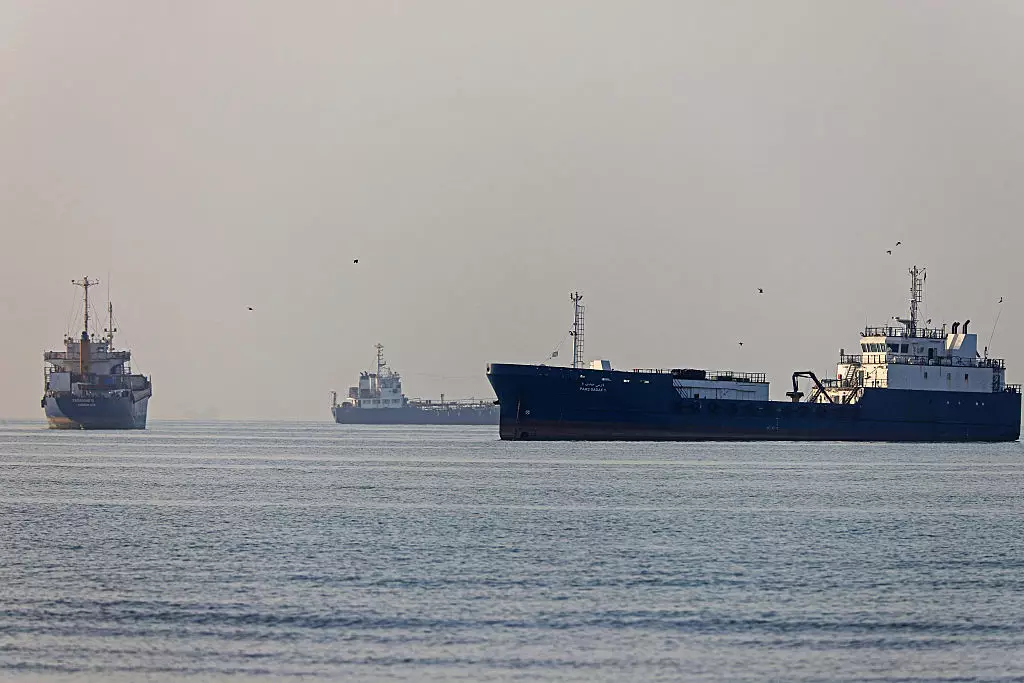
Iran has continued to exert control over the vital shipping route since the US and Israel began their military campaign in the region.
In the weeks following an agreed ceasefire, Trump has repeatedly said the two sides were nearing a breakthrough, though no official deal has been announced.
The Apache incident comes after Iran and Israel carried out their first direct strikes since the April truce, briefly fuelling concerns that the region could be dragged back into a wider conflict before both countries pulled back.
As fears of immediate escalation eased, oil prices dropped and financial markets regained ground.
On Sunday, Trump had dismissed concerns about the level of danger facing American forces stationed in the region.
“We have the best offense anyone’s ever seen. So I don’t consider it danger,” he said’s Meet the Press.