

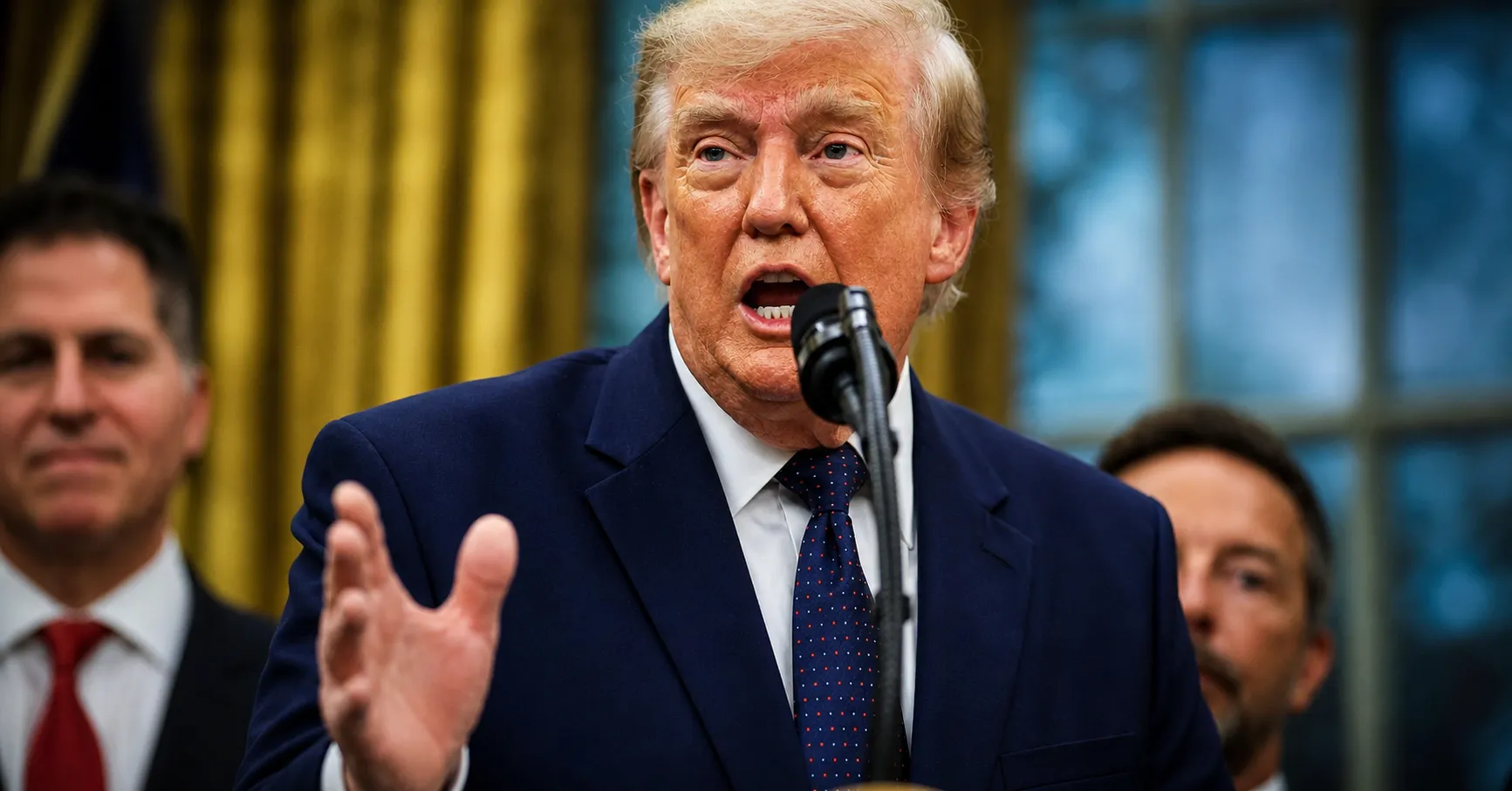
President Donald Trump’s administration fired the newly appointed U.S. Attorney for Western Washington less than an hour after he was sworn in Wednesday, immediately setting up a potential legal battle over presidential authority and the power of federal judges to fill prosecutorial vacancies.
Roger Rogoff, a veteran federal prosecutor and former King County Superior Court judge, was sworn in at 7:40 a.m. After being unanimously selected by federal judges in the district. By 8:34 a.m., he had received a termination email from the White House titled “A Message From the President,” notifying him that President Trump was removing him from office. According to the notification, Trump was exercising his authority under federal statute and Article II of the Constitution.
Rogoff’s remarkably brief tenure lasted 54 minutes. When asked by local news how he felt about the experience, Rogoff responded with dry humor: “Greatest hour in my life.”
The firing occurred as Acting Attorney General Todd Blanche was appearing before the Senate Judiciary Committee for his confirmation hearing to become the permanent attorney general. Blanche defended the administration’s action on social media, asserting that while “district court judges can appoint a temporary U.S. Attorney,” the president retains the power to fire them. He also criticized the judges for abandoning consultation with the administration, calling it a “time-honored process” to ensure appointees are qualified to serve.
The clash represents the latest in a series of confrontations between the Trump administration and federal courts over control of key prosecutorial positions. It also sets up what legal experts believe could be a significant constitutional test case that may land before higher courts.
The Western District of Washington has been without a Senate-confirmed U.S. Attorney since June 21, 2023, when Nicholas W. Brown resigned. The position has been filled through various temporary arrangements, including interim appointments and designations of a “first assistant” U.S. Attorney. The judges acted under Section 546(d) of Title 28 of the U.S. Code, a federal statute that allows district courts to appoint a U.S. Attorney when an interim appointment expires and no permanent nominee has been submitted by the president.
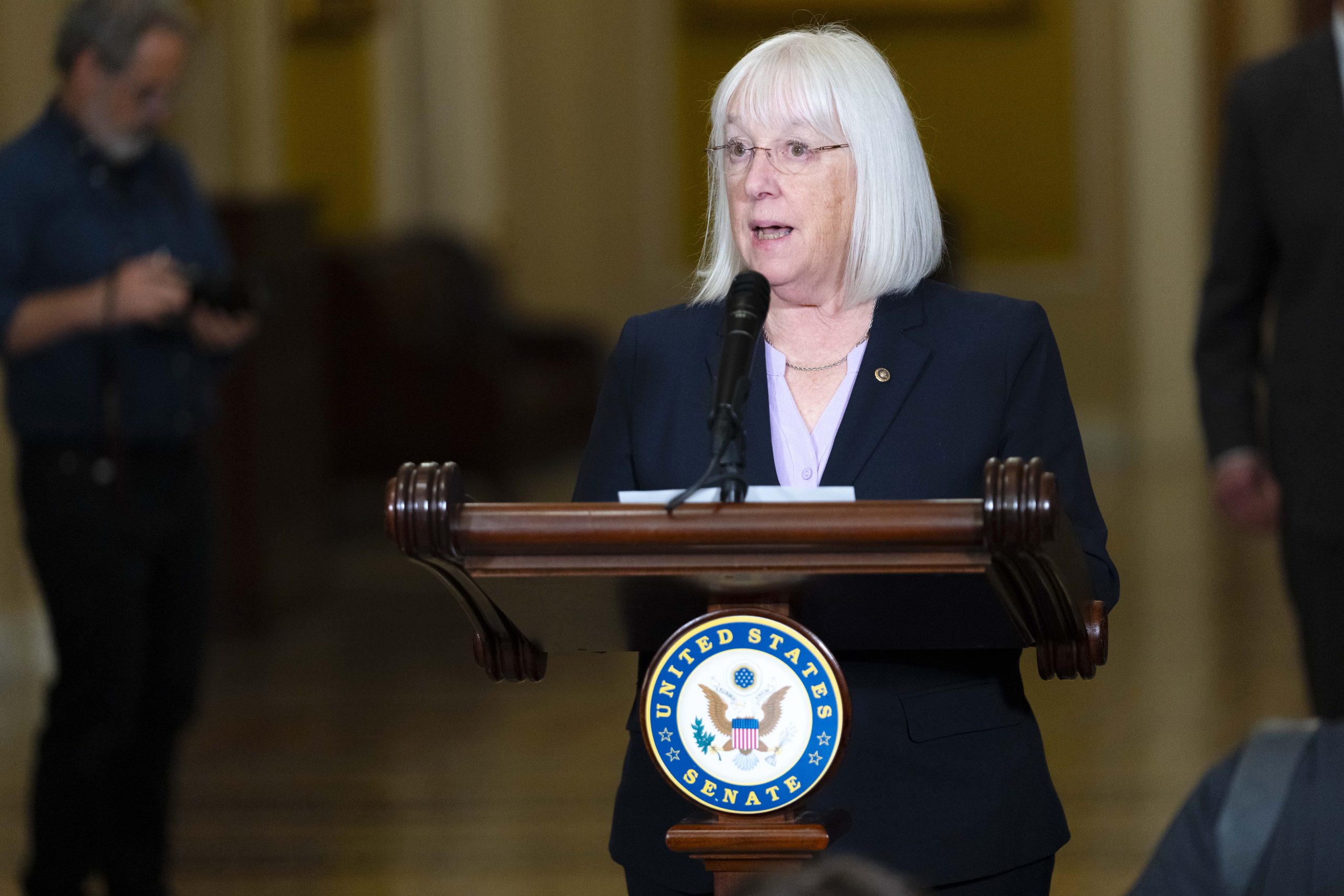
The administration’s preferred candidate, Charles Neil Floyd, was appointed as interim U.S. Attorney in October 2025. His 120-day appointment expired in early February, but rather than formally nominate him to the Senate, the administration reassigned him as the office’s first assistant while maintaining leadership functions. Senator Patty Murray, Washington’s senior Democratic senator, has stated she would block Floyd if Trump formally nominated him for the position.
With Trump having made no formal nomination to the Senate and the interim appointment authority expired, the federal judges in January announced their intention to fill the vacancy themselves. After establishing a merit selection panel in March, they selected Rogoff in a process they described as necessary to ensure the integrity and effective administration of justice in the district.
Rogoff brought substantial credentials to the position. He served as a King County prosecutor for 14 years, worked as an assistant U.S. Attorney in Seattle for six years focusing on terrorism and violent crime, served seven years as a King County Superior Court judge, and most recently directed Washington’s Office of Independent Investigations, a pioneering civilian agency created to investigate police use of deadly force.
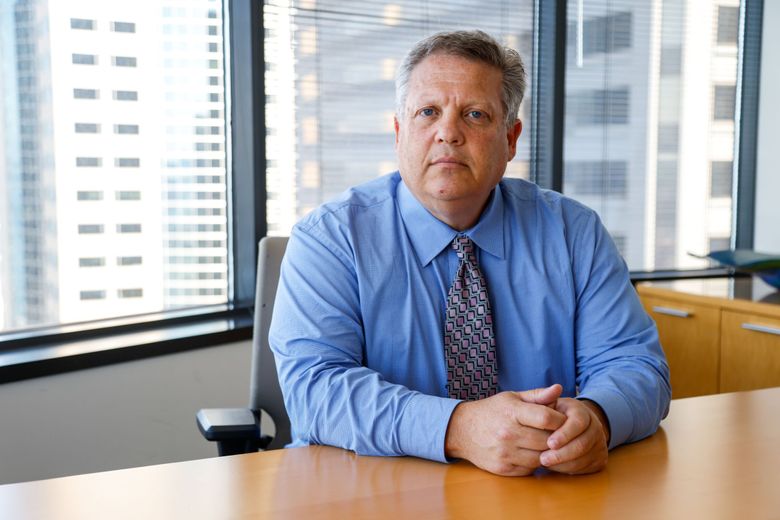
Yet despite his background, Rogoff said he anticipated the firing. He revealed that for two weeks after learning the administration knew of his impending appointment, his team had attempted to contact administration officials to discuss his potential role but received no response. “I was pretty settled with the idea that this was probably going to be the result,” he told reporters.
The White House’s rapid action follows an established pattern. The administration has dismissed other court-appointed U.S. Attorneys in recent months, including Tessa Gorman in Western Washington and Donald Kinsella in New York’s Northern District, firing each within hours of their appointment. Each time, the administration cited the president’s Article II removal power.
Rogoff immediately signaled his intent to fight back through the courts. “We have a situation that is untenable, not constitutional, and not legal,” he said, emphasizing that the president must work through Senate confirmation. His legal team is preparing to pursue legal action challenging the administration’s authority to dismiss a judicially appointed U.S. Attorney.
This would potentially become the first major legal test of whether a president can unilaterally remove a U.S. Attorney appointed by district judges under federal vacancy procedures. Unlike previous judicial appointees who were fired in other districts—in Virginia and New York—Rogoff and his counsel appear prepared to litigate the matter, promising to raise constitutional and statutory questions about the separation of powers, prosecutorial independence, and the limits of presidential removal authority.
The broader legal landscape provides conflicting guidance. Some judicial decisions have suggested the president may have removal power over court-appointed prosecutors, while others have questioned whether the attorney general lacks the statutory authority to remove someone appointed under Section 546(d). The Supreme Court has not definitively resolved the question.
The controversy also highlights ongoing tensions between the Trump administration and the federal judiciary, particularly in the Western District of Washington, where all seven active judges were appointed by former President Joe Biden. Influential Seattle attorneys have acknowledged preparing for this very scenario, strategizing about the need for a court-selected attorney willing to pursue litigation rather than simply acquiescing to removal.
Rogoff’s firing was not expected to resolve the office’s leadership immediately. It remained unclear as of Wednesday afternoon who would lead the U.S. Attorney’s Office for Western Washington going forward, with approximately 85 attorneys and 70 support staff managing criminal prosecutions, civil litigation, civil-rights enforcement, cybercrime, fentanyl cases and organized crime across the district.