

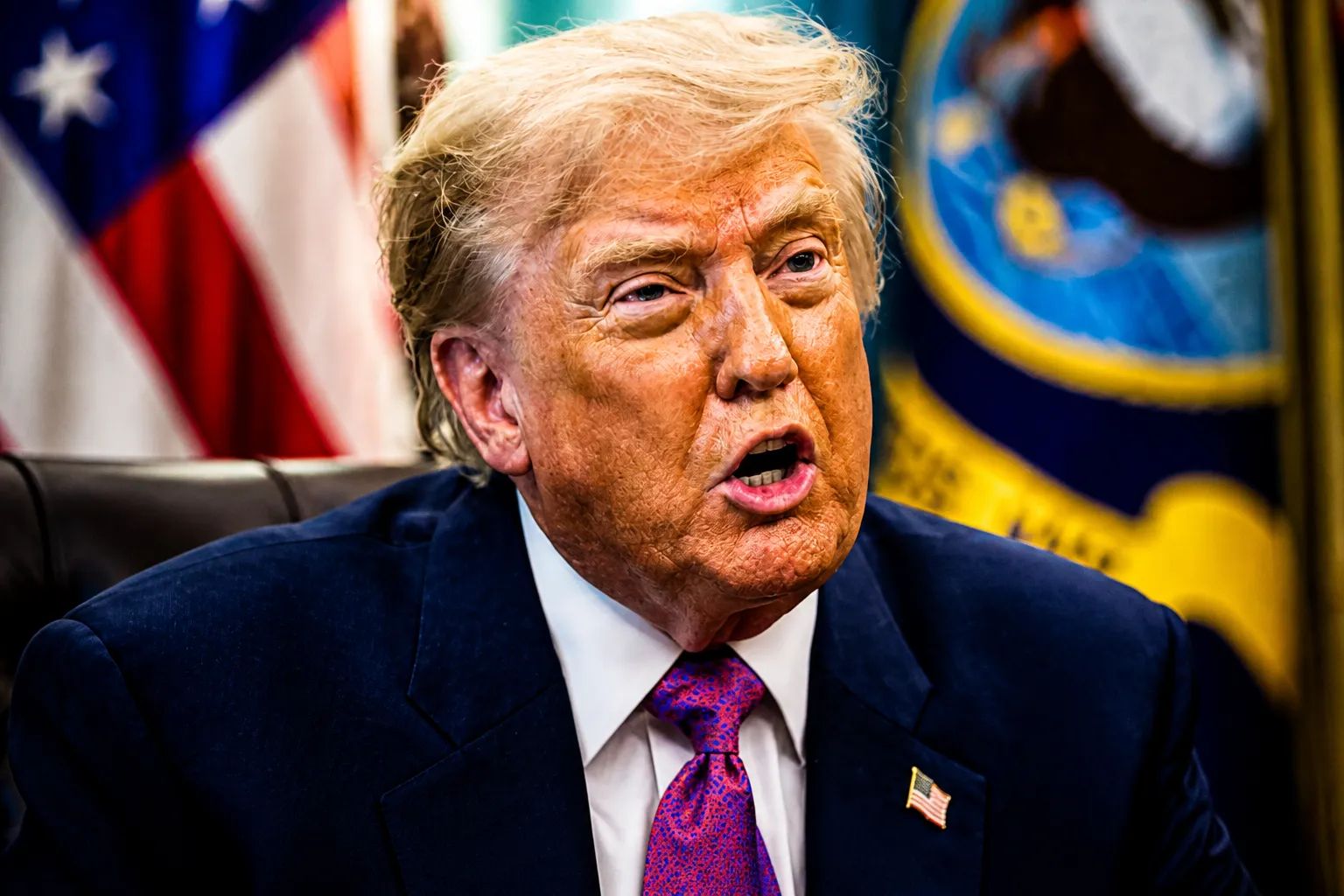
Donald Trump has floated renaming the Atlantic and Pacific Oceans on U.S. Maps.
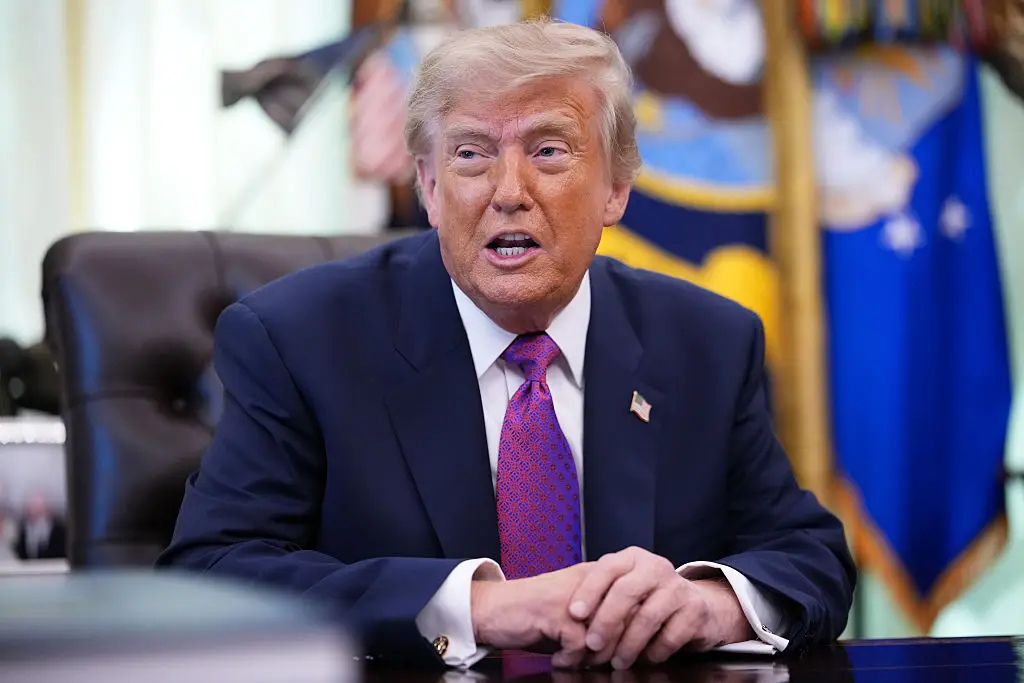
The former president, 80, made the suggestion on Thursday while speaking to reporters in the Oval Office, expanding a recent pattern of rebranding major North American waterways with America-centric names. The remarks came the same day he signed an executive order changing Lake Ontario to “Lake America” on federal documents, a move that follows his earlier rebranding of the Gulf of Mexico as the “Gulf of America.”
“We have a gulf and we have a lake,” Trump told reporters in the Oval Office. “Now all we need is an ocean. Maybe we’ll have to change the name of the Atlantic and/or the Pacific. Maybe we’ll change them both.”
The ocean renaming proposal builds on Trump’s repeated public questioning of why the United States continues to use historically established global names for the massive bodies of water along its eastern and western coastlines. He has framed the issue around themes of national sovereignty, heritage, and international cartography.
The Lake Ontario order arrived amid escalating trade tensions with Canada. Ottawa had implemented reciprocal tariffs on U.S. Goods in response to Trump’s own decision to impose 50% tariffs on cars, trucks, automotive parts, and steel.
“Canada has been ripping us off for a long time on trade,” he declared on Thursday. “They want to be treated like they’re a state and we just can’t do that anymore.”
“It’s something I’ve been thinking about for a long time.”
Critics quickly characterized the ocean renaming suggestion as performative and legally unfeasible. Geographers noted that changing global ocean names would create massive logistical complications for international shipping lanes, aviation routing, naval coordination, and international law.
Domestically, official geographic names on federal maps fall under the U.S. Board on Geographic Names, an inter-agency body that maintains uniform name usage across the federal government. However, international waters and global ocean borders are governed by international treaties and standardized through bodies such as the International Hydrographic Organization and the United Nations Group of Experts on Geographical Names.
Supporters defended the rhetoric as consistent with Trump’s populist, “America First” communication style, framing it as symbolic assertion of American prominence and a critique of international conventions.
No formal legislative or executive framework exists for the United States to unilaterally alter the globally recognized names of the world’s oceans.
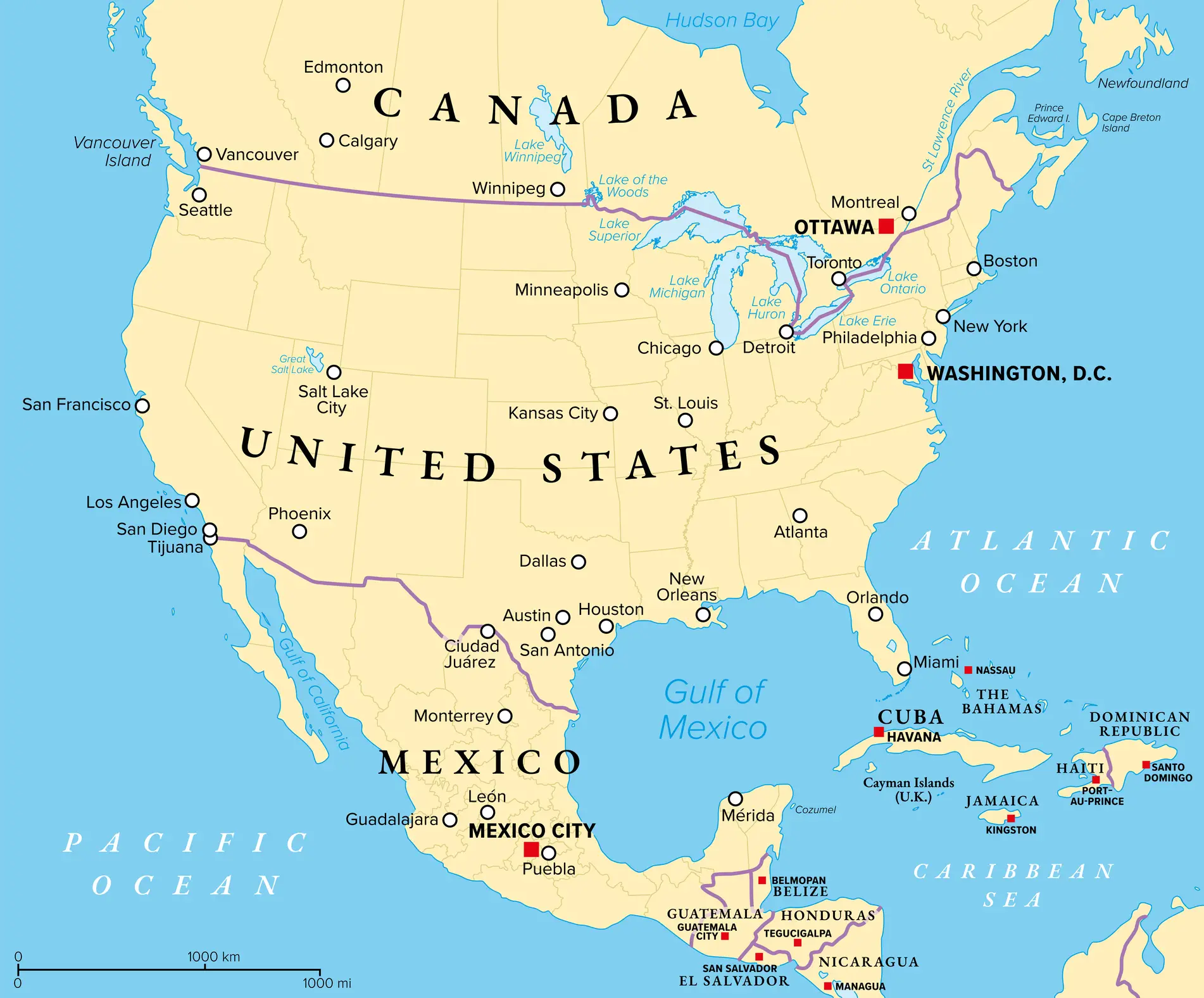
Trump had already pushed through the “Gulf of America” designation on American federal documents and signed the “Lake America” order on Thursday. The Lake Ontario change drew particular pushback because the lake’s 400-year-old Indigenous name predates both the U.S. Declaration of Independence and Canadian Confederation, and because the five Great Lakes’ familiar “HOMES” acronym would be disrupted. New York Governor Kathy Hochul slammed the move, noting the acronym would go from “HOMES” to “SHAME.”
Trump is expected to continue advancing his America-centric geographic branding agenda through executive action.