

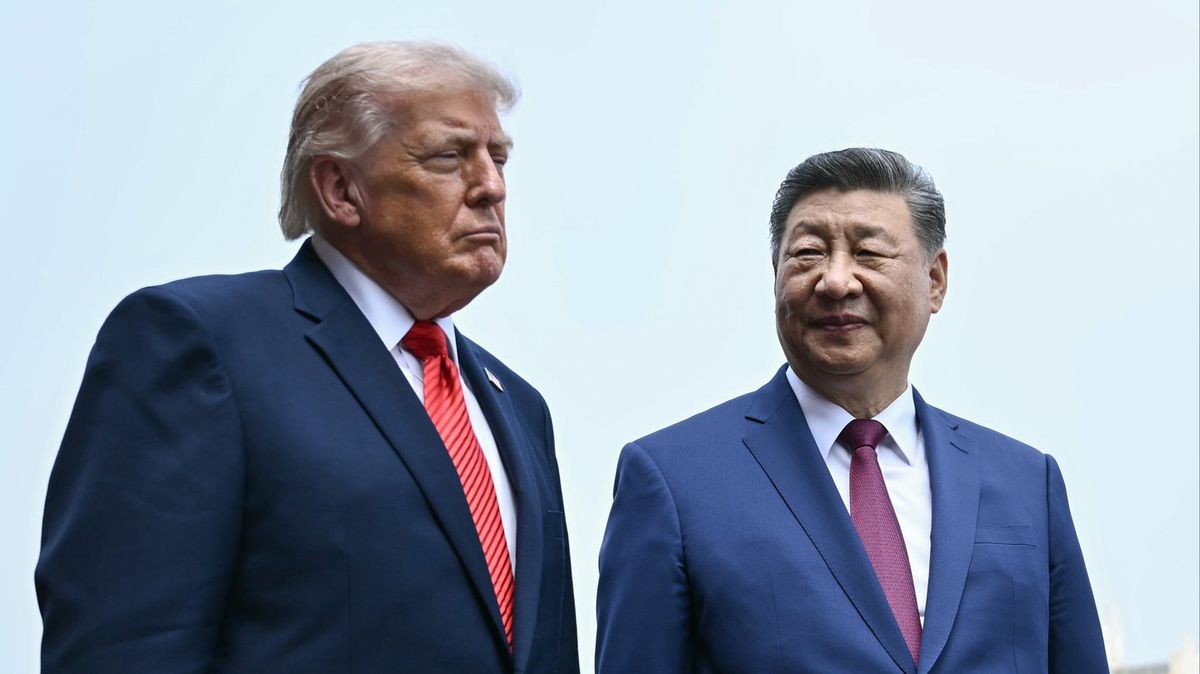
Donald Trump has been unusually absent from social media recently — and it appears there’s a practical explanation.
The president is widely known for posting frequently on Truth Social, where he shares political updates as well as memes.
Some of those posts have drawn heavy criticism. One of the most widely condemned examples was a video that portrayed Barack and Michelle Obama as apes.
Another upload also sparked backlash — including from some Republicans — after Trump shared an AI-generated image depicting him as Jesus. Critics described it as ‘blasphemy’.
Trump later responded to the reaction and denied he was trying to present himself as Jesus, reportedly suggesting he believed the image showed him “as a doctor”.
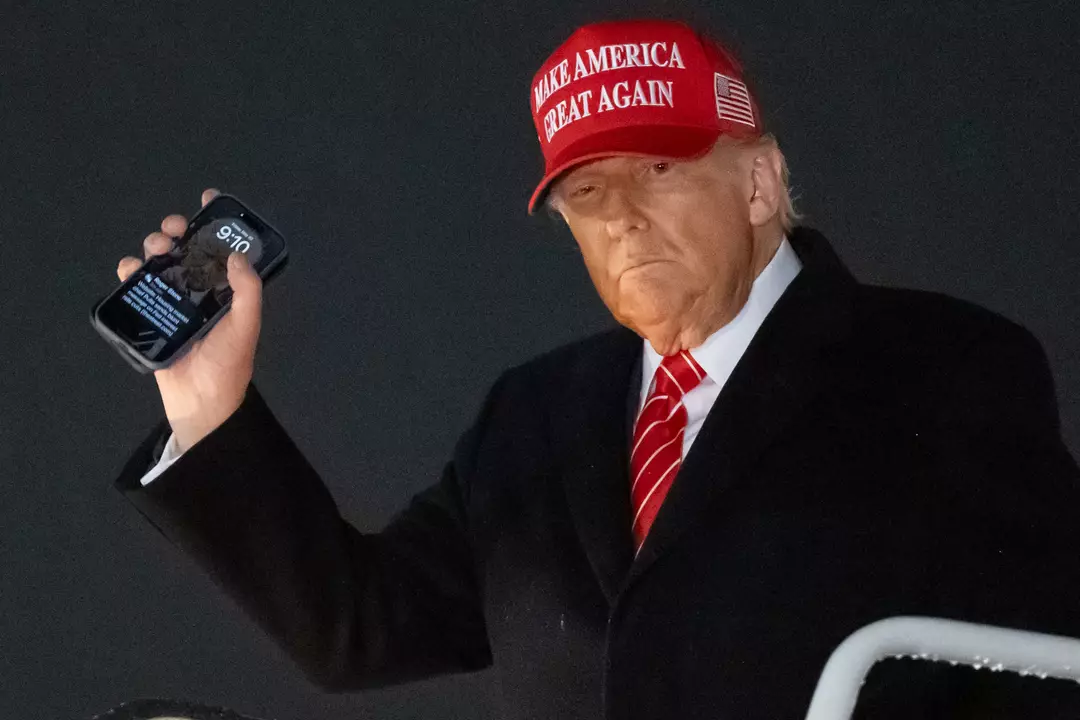
However, his recent lack of online activity has reportedly been linked to his trip to China, where he allegedly did not have access to his personal cellphone.
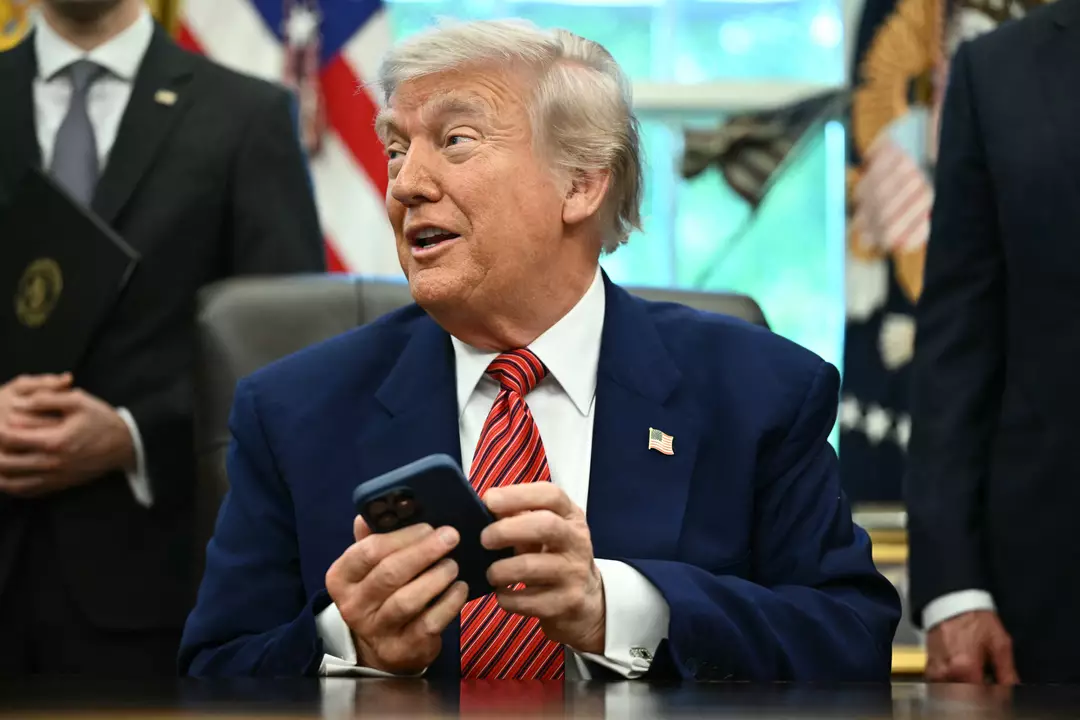
It’s also claimed that members of his wider entourage, including security staff, were required to surrender their usual devices as part of what has been described as a “digital lockdown”.
Reports said that Trump’s team traveled with “clean” devices instead — temporary laptops and restricted communications systems intended for short-term use.
The precautions are tied to longstanding security concerns. The State Department warns Americans visiting China that “there is no expectation of privacy on mobile or other networks in China”, per the outlet.
Using “clean” devices is designed to reduce exposure to surveillance, hacking attempts, or the collection of sensitive data.
Bill Gage, a former Secret Service special agent and now director of executive protection for Safehaven Security Group, described the scope of the threat: “China is a mass surveillance state.
“Briefings for US officials begin well before the president arrives, and they make clear that everything is monitored.”
Theresa Payton, former White House chief information officer and CEO of cybersecurity firm Fortalice Solutions, also emphasized the need for caution (per Fox News): “We always tell people to assume everything you say and do — both in person and digitally — could be monitored and to conduct themselves accordingly.”
Devices left behind on Air Force One during the China visit were reportedly stored in Faraday bags, which are designed to block signals such as GPS, Wi‑Fi, Bluetooth, and RFID.
According to CarWow, the bags function by blocking signals “with a layer of conductive material, using metal mesh, that blocks electromagnetic signals”. The storage method is commonly used by members of the public as well, including drivers who keep keyless car fobs inside Faraday bags to lower the risk of theft.