

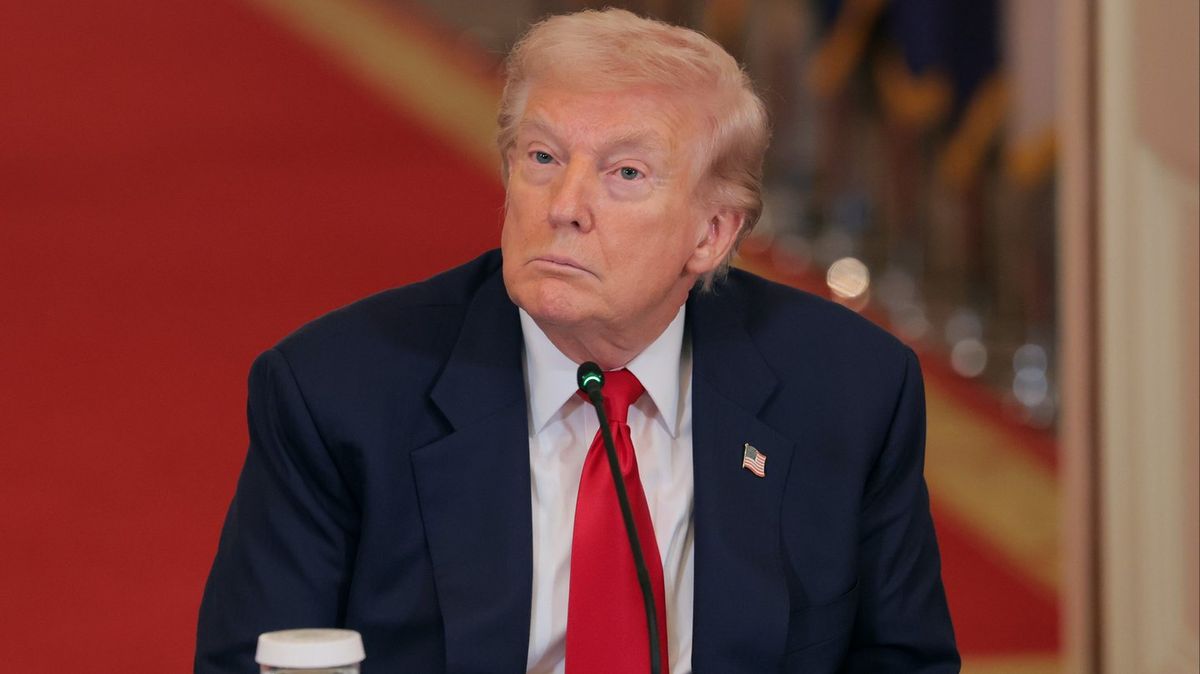
Donald Trump has shared how much longer America’s war with Iran might go on for after nearly a fortnight of conflict.
The US joined forces with Israel in strikes on Iran at the end of February, with one attack reportedly hitting Ali Khamenei’s residence and killing the Iranian supreme leader.
Following his death, Khamenei’s son Mojtaba Khamenei has been chosen to take over as the country’s new leader.
Reports also claim Mojtaba was injured during the February 28 strikes in which his father, Ayatollah Ali Khamenei, was killed.
The 56-year-old cleric, who is known for keeping a low profile, has become only the Islamic Republic’s third-ever supreme leader.
He is said to have strong links with the Revolutionary Guard, the paramilitary force that has launched missiles and drones toward Israel and several Gulf Arab states.
With leadership in Tehran changing hands, speculation has continued over how long the fighting could last — and the president has now weighed in.

“The war is going great,” Trump told Axios, adding: “We are way ahead of the timetable. We have done more damage than we thought possible, even in the original six-week period.”
He went on to argue that US strikes have left Iran with little remaining infrastructure to hit, saying there is “practically nothing left to target”.
Those remarks followed another recent update from Trump in which he suggested the conflict was close to finished and that he believed the endgame was already in sight.
“They have no navy, no communications, they’ve got no Air Force. Wrapping up is all in my mind,” said the POTUS.

As the US, Israel and Iran continue to clash, the knock-on effects have been felt far beyond the region — including sharp movement in global oil prices.
Even while Trump has repeatedly indicated a conclusion could be approaching, he has also warned the most severe phase may still be to come, threatening escalation if Iran made any “attempt to stop the globe’s oil supply”.
“We’re putting an end to all of this threat once and for all, and the result will be lower oil prices, oil and gas prices for American families,” Trump said.
For now, it appears any move toward de-escalation would hinge on decisions made in Washington and Jerusalem, as officials in Iran have signaled they do not plan to retreat.
After Mojtaba’s appointment, Iran’s defense council stated: “We will obey the commander-in-chief until the last drop of our blood.”
Meanwhile, Israeli Foreign Minister Gideon Sa’ar said (per Reuters): “We will continue until the minute that we, and our partners, think that it is appropriate to stop.”
Central to the wider economic impact is the Strait of Hormuz, the narrow passage between the Persian Gulf and the Gulf of Oman that serves as one of the world’s most vital energy corridors, with roughly 3,000 ships passing through each month.
According to the UN Trade & Development, the strait accounts for about a quarter of the globe’s seaborne oil trade and also moves major quantities of liquefied natural gas and fertilizers — meaning any disruption can send shockwaves through the international energy system.
That’s what has been unfolding. Since the joint US-Israel assault on Iran in late February, shipping through the Strait has dropped sharply, feeding into rising prices for commodities including oil, wider energy costs, and food.
But the decline in traffic isn’t the only pressure point currently affecting the shipping lane.
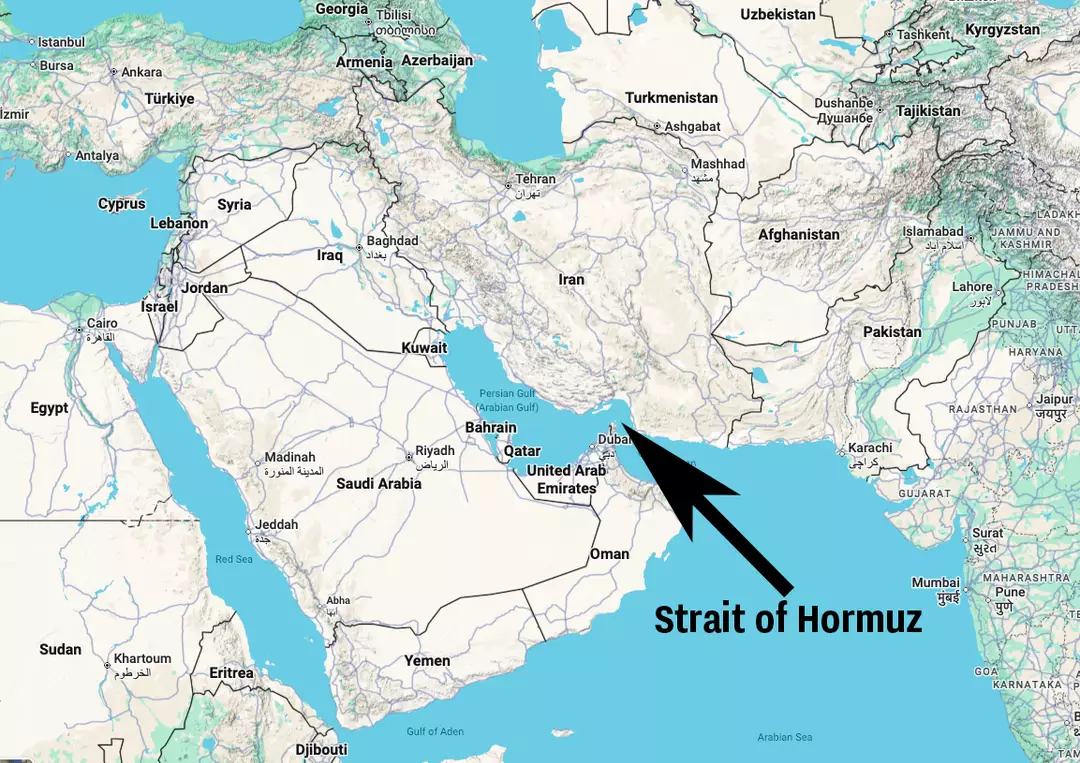
On March 11, maritime authorities said three cargo ships in the strait were struck by “unknown projectiles”. That same day, the US military reported it attacked and destroyed 16 Iranian mine-laying vessels near the waterway amid claims Iran had started placing explosive devices in the channel.
CNN previously reported that Iran had put down a few dozen mines in the Strait over the last week, and that it has the ability to deploy hundreds more.
In a Truth Social post on Tuesday (March 10), Trump wrote that ‘if Iran has put out any mines in the Hormuz Strait, and we have no reports of them doing so, we want them removed, IMMEDIATELY!’
He added: “If for any reason mines were placed, and they are not removed forthwith, the Military consequences to Iran will be at a level never seen before.”
Iran is believed to have targeted 13 vessels operating around the Gulf since the war started, with Thailand and Japan among the countries reporting damage to ships.
Earlier this week, Iran’s Islamic Revolutionary Guard Corps also warned it would prevent even “one litre of oil” from leaving the region if US-Israeli strikes continue — a threat that could mean further disruption and additional price spikes worldwide if the conflict drags on.