

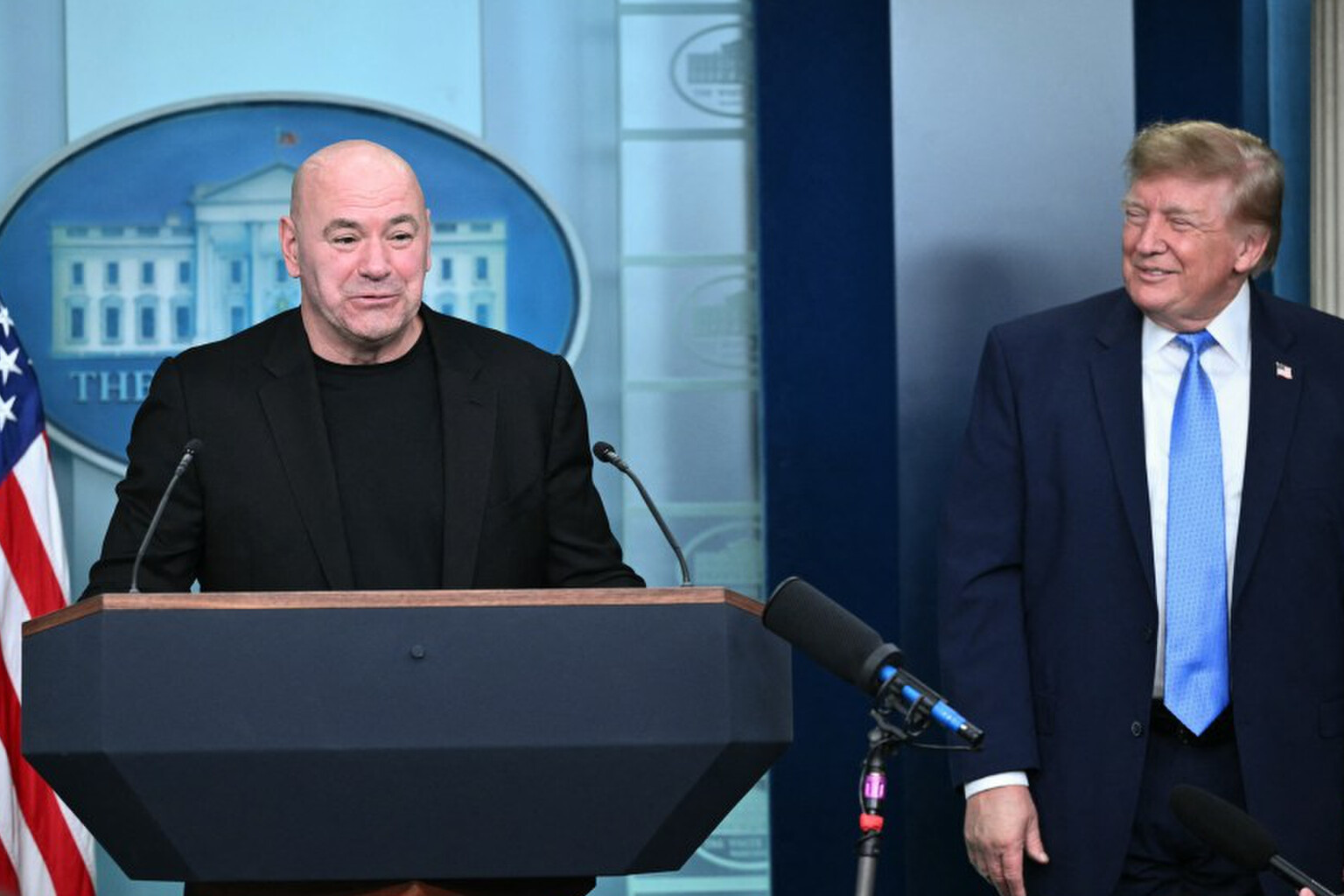
President Donald Trump turned the White House briefing room into a spectacle Monday by bringing UFC CEO Dana White to the lectern alongside him.
Trump, 78, had spent the weekend teasing the idea that the cagefighting executive could become his next press secretary, a notion both men used as a running joke throughout the afternoon appearance. White, 56, stepped to the podium after the president introduced him to the assembled press corps with a characteristically combative flourish.
“He’s going to beat the hell out of you,” Trump warned the reporters in the room, according to the exchange.
White immediately sought to deflate any genuine speculation about a career change. “I’ve always wanted to do this. Who has the first question?” he joked as he took the lectern. He then moved to shut down the political chatter entirely, clarifying that he harbored no “political aspirations” and was not planning to become Trump’s spokesman.
The UFC executive’s appearance came after Trump had floated the idea during the weekend, prompting questions about whether the president was serious about installing a mixed-martial-arts promoter as the face of his administration’s communications operation.
Trump himself acknowledged the genesis of the stunt during the briefing. He said he had floated White for press secretary jokingly because “we were having a very bad press day,” explaining the impromptu casting as a pressure-release valve rather than a genuine personnel move.
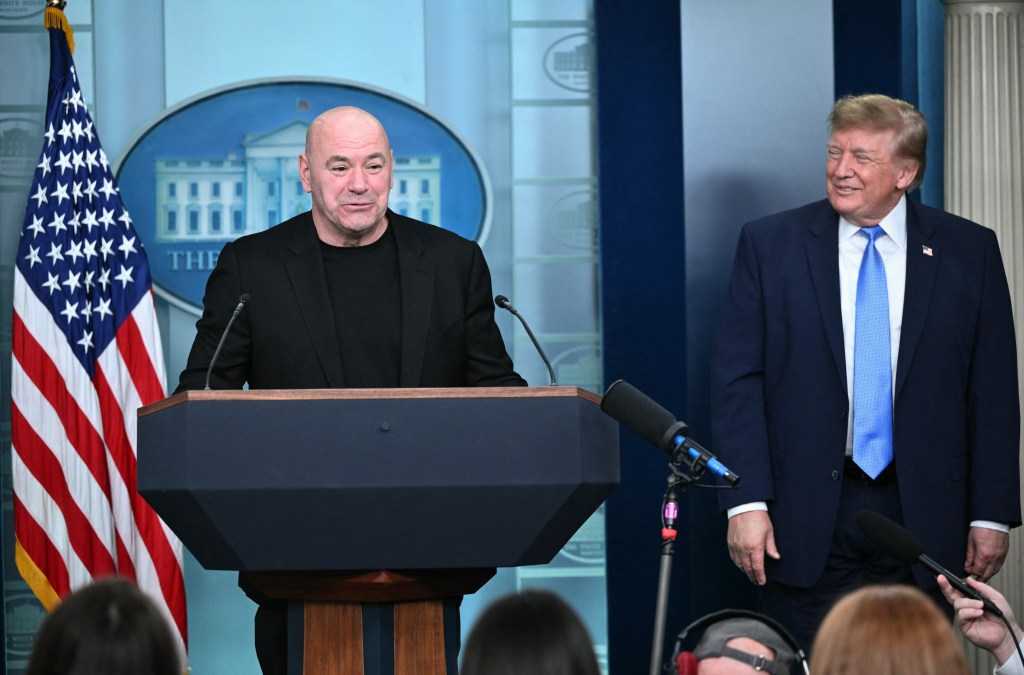
White entertained at least one question that leaned into his professional expertise. When asked whether Trump would beat former President Joe Biden, 82, in an Octagon showdown, the UFC chief offered a blunt assessment. “It would be very bad” for Trump’s predecessor, White said, without elaborating on the hypothetical matchup’s specifics.
The pairing of Trump and White represents a yearslong alliance between the Republican president and the combat-sports executive. White has been a vocal supporter of Trump since the businessman’s first presidential campaign, speaking at multiple Republican conventions and appearing regularly at Trump events. The UFC leader’s political visibility has grown alongside his company’s explosive commercial success, making him one of the most recognizable figures in American sports management.
Trump’s willingness to blur the lines between entertainment, sports, and official White House business has been a hallmark of both his administrations. Monday’s briefing extended that pattern, transforming what is traditionally a forum for policy announcements into a stage for banter and provocation.
The president’s comment about White beating reporters drew immediate attention, though it appeared intended as hyperbolic humor rather than a literal threat. The remark fit a broader pattern of Trump’s rhetorical style, which frequently employs exaggerated physical imagery when discussing political opponents or institutional adversaries.
White’s insistence that he lacks political ambitions did not stop the briefing from generating significant media coverage, effectively achieving the distraction Trump had sought from what he described as a difficult news cycle.
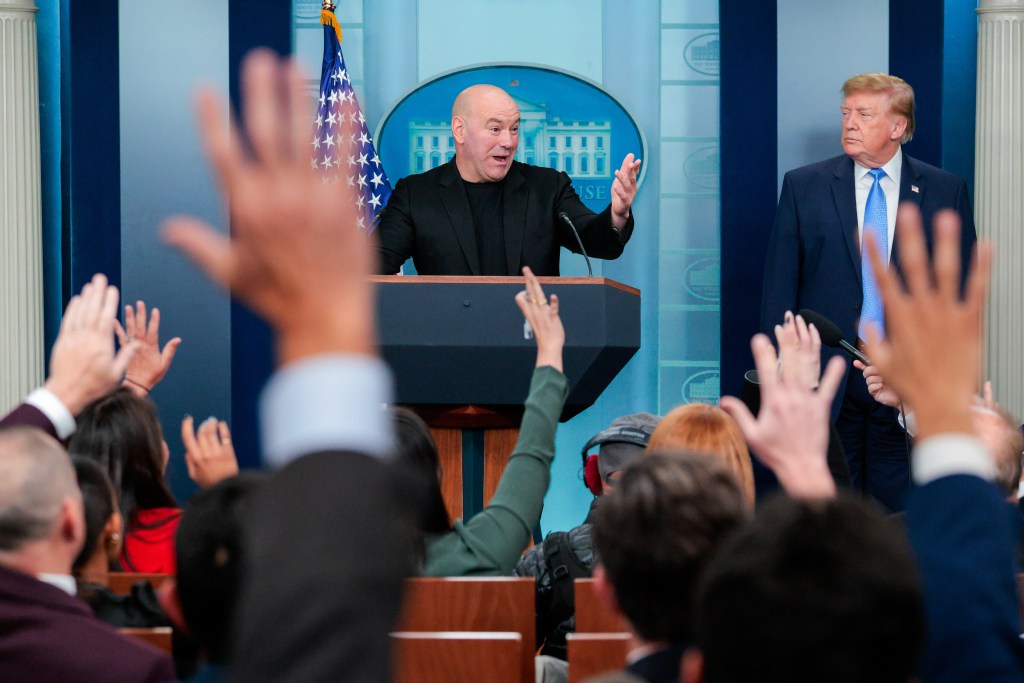
The episode also highlighted the ongoing vacancy in the White House press secretary role, a position that has seen unusually high turnover during Trump’s time in office. The communications job has remained a focal point of speculation since the departure of previous occupants, with Trump frequently using the uncertainty as leverage or entertainment.
Neither Trump nor White indicated any concrete plans for future joint appearances at the podium, though the UFC executive’s demonstrated comfort in the setting suggested the possibility of repeat performances.
The briefing concluded with White returning to his seat and Trump resuming control of the room, the unusual guest spot having served its apparent purpose of shifting the narrative if only for an afternoon.
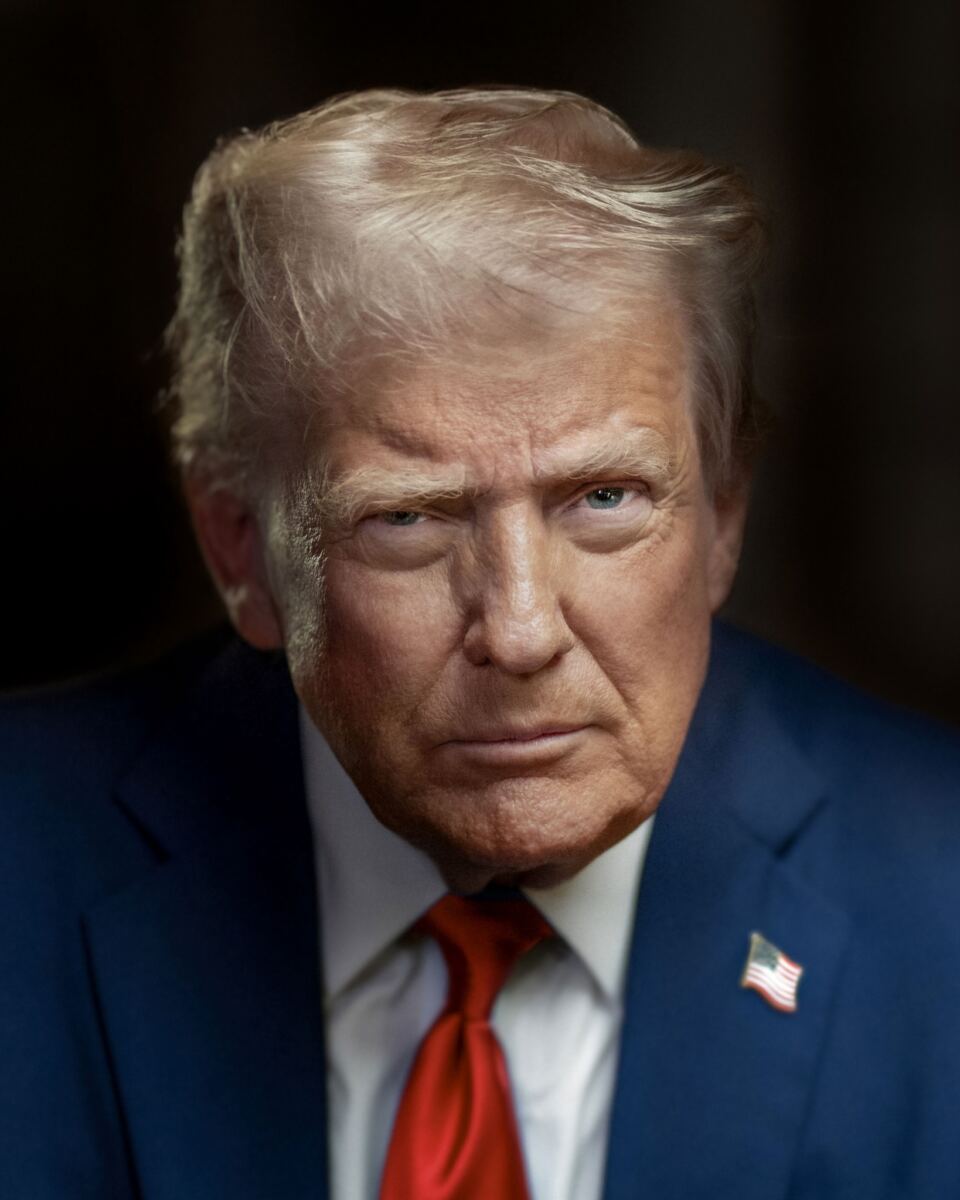
White’s next major professional commitment will bring him to Las Vegas for UFC 317 on June 28.