

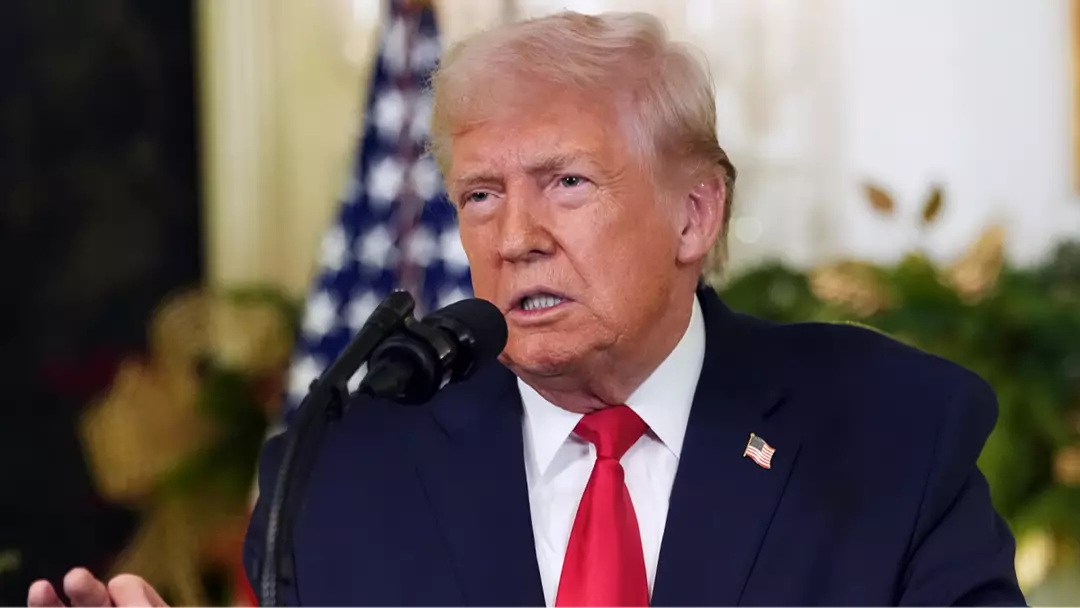
A significant number of Americans could face the loss of their citizenship if Trump’s plans come to pass.
The president has been discussing the idea of denaturalization for some time, and it appears he is now taking formal steps to implement this plan.
According to usa.gov, naturalization is “the process of voluntarily becoming a United States citizen.” To qualify, an individual must be at least 18 years old, have the ability to read, write, and speak basic English, and demonstrate “good moral character”.
The practice of naturalization has been part of U.S. history for centuries, yet Trump seems intent on altering it. Just last month, Trump indicated he was ‘absolutely’ in favor of denaturalizing certain Americans.
“We have criminals that came into our country and they were naturalized maybe through [President Joe] Biden or somebody that didn’t know what they were doing,” he remarked in early December, according to ABC7.
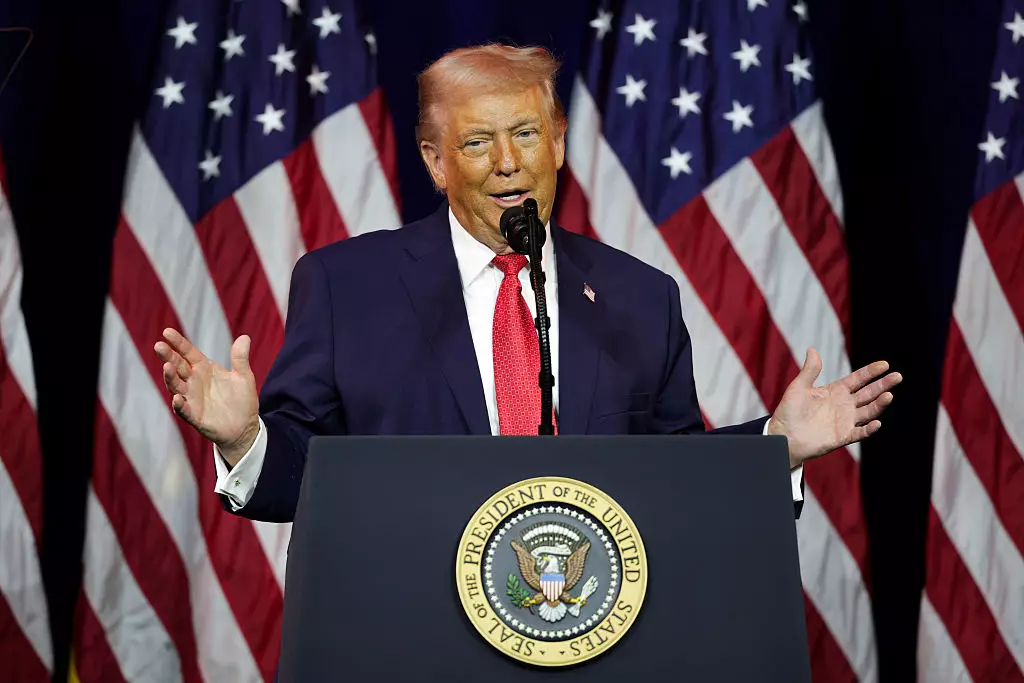
Trump further stated: “If I have the power to do it — I’m not sure that I do, but if I do — I would denaturalize, absolutely.”
Recently, reports indicate the president is advancing efforts to revoke the citizenship of some Americans.
The New York Times, following a two-hour interview with Trump, noted that “his administration was examining the criteria for taking away citizenship.”
Trump specified which individuals he would scrutinize, saying: “I think that many of the people that came in from Somalia, they hate our country.”
His focus, purportedly, won’t be restricted to the Somali community, although he didn’t specify other groups that might be affected.
“If they deserve to be stripped, I would, yes,” he added.

Numerous organizations have criticized the president’s plans. The American Civil Liberties Union (ACLU) issued a strong statement: “These efforts to strip citizenship from Americans are systemic and chilling. They have made U.S. citizens fearful that mistakes made years ago on their past applications could be used to target them, take away their citizenship, and destroy their lives.
“The Trump administration’s denaturalization efforts have made lawful permanent residents scared to pursue citizenship and fully engage civically. What was once a celebratory moment recognizing an immigrant’s integration into American life now comes with an undercurrent of fear and suspicion.”
Currently, the process of denaturalization is a lengthy one, possible only through judicial order via civil proceedings or a criminal conviction for naturalization fraud. As a result, such occurrences are rare.
According to the Immigrant Legal Resource Center (ILRC), from 1990 to 2017, an average of 11 denaturalization cases were initiated per year.