

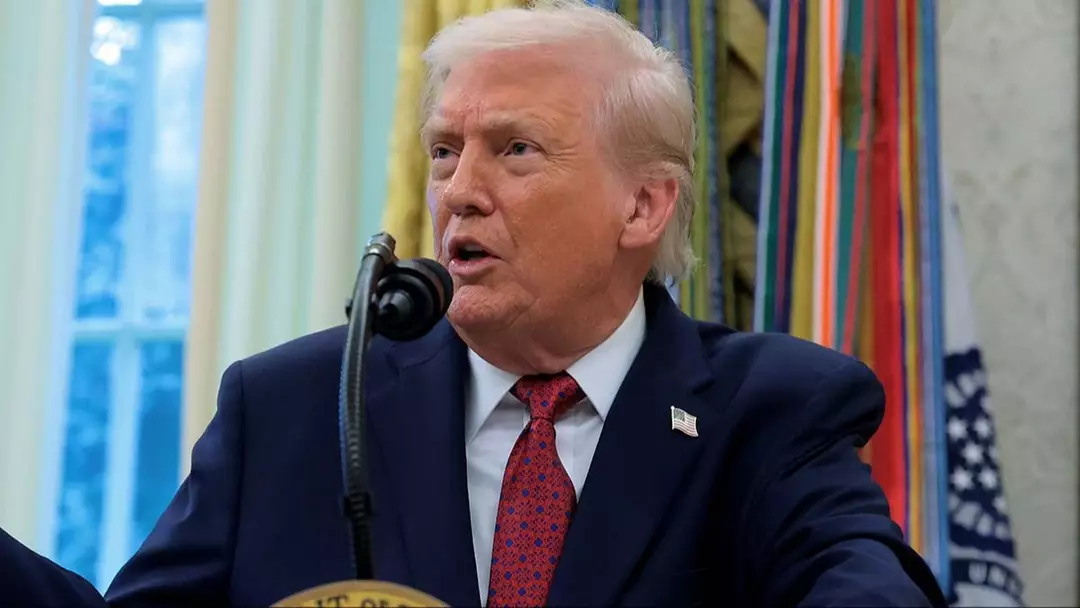
Donald Trump has issued an executive order to change US marijuana legislation.
Former President Joe Biden had started the process of re-evaluating how marijuana is categorized under American law, seeking to move it from Schedule I to the less restrictive Schedule III. However, Biden did not complete this transition before his presidency ended and Donald Trump assumed the role.
President Trump expressed an interest in continuing Biden’s initiative, indicating earlier this year that he was considering an order aimed at facilitating more cannabis research.
Recently, Trump signed an executive order designed to accelerate the process, easing restrictions on marijuana for medical purposes.
“The executive order the President will sign today is focused on increasing medical research for medical marijuana and CBD — cannabidiol,” stated an official from the Trump administration during a press briefing.
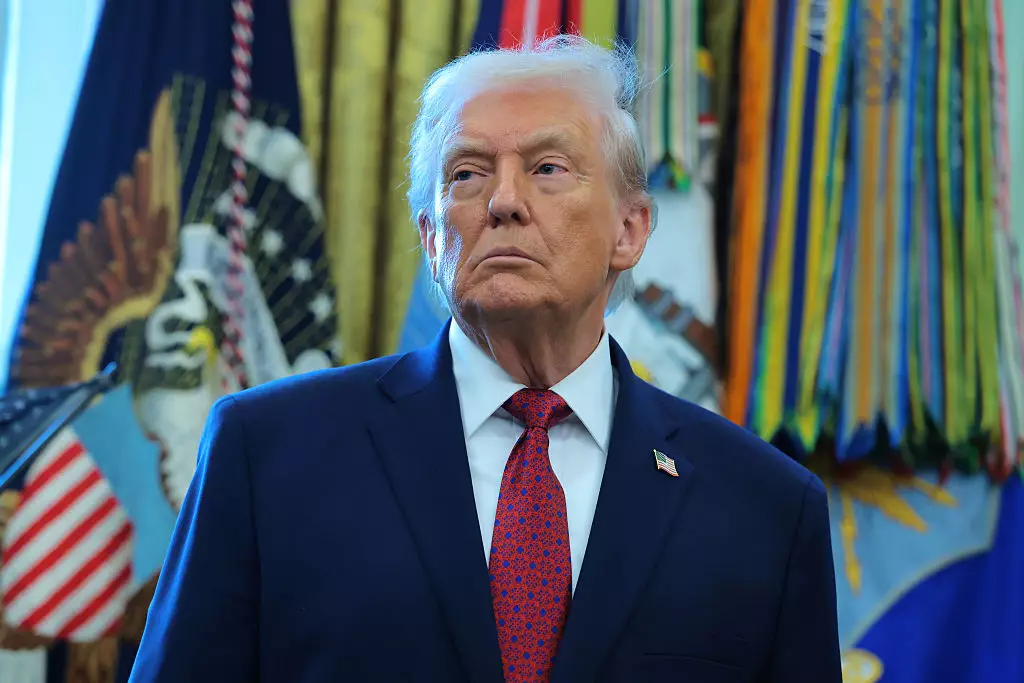
The official continued, “The president is very focused on the potential medical benefits, and he has directed a commonsense approach that will automatically … start working to improve the medical marijuana and CBD research to better inform patients and doctors. That’s the primary goal.”
This action alters the legal perception of the drug in the US. Under Schedule I of the Controlled Substances Act, it is considered to have no acknowledged medical utility. Conversely, Schedule III indicates a ‘moderate to low potential for physical and psychological dependence’.
The administration referenced evaluations by the Department of Health and Human Services, which revealed that in 2023, over 30,000 licensed healthcare professionals across the US provided medical marijuana to more than six million registered patients for up to 15 different conditions.
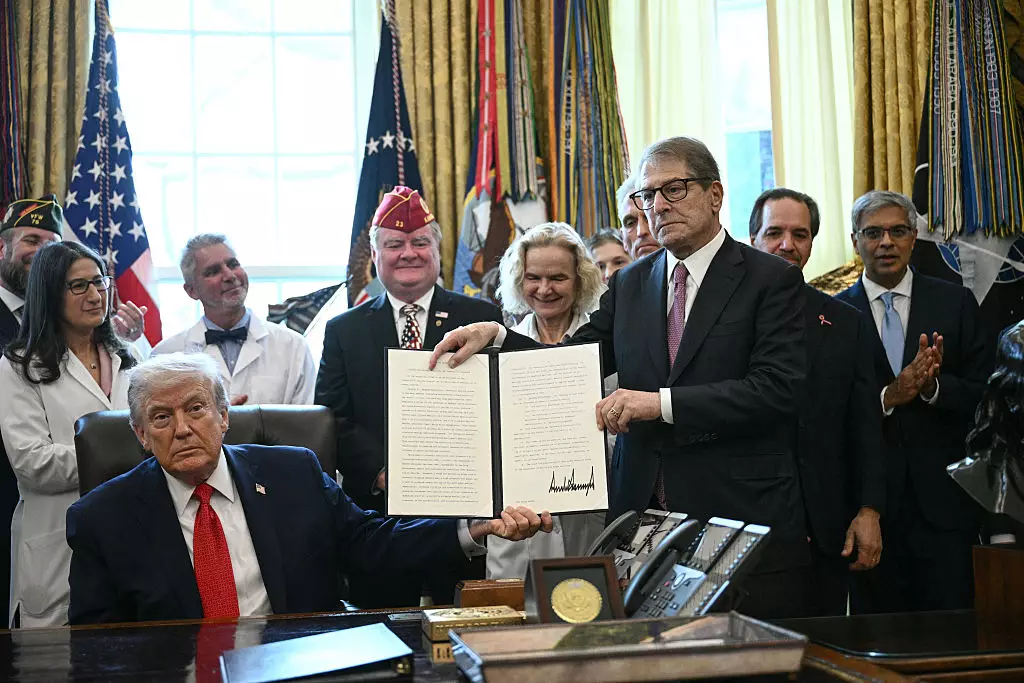
Despite the rescheduling, the order does not affect criminal penalties or recreational marijuana use.
Trump clarified to reporters: “I want to emphasize that the order I am about to sign is not the legalization or it doesn’t legalize marijuana in any way, shape or form, and in no way sanctions its use as a recreational drug.”
This development could be beneficial for marijuana dispensaries and businesses, allowing them to deduct expenses or apply additional credits to their federal taxes—something that is currently not possible for substances categorized as Schedule I and Schedule II.
The announcement coincides with new research questioning the health benefits of medical marijuana.
Although often prescribed for chronic pain management and as an alternative to addictive opioids, a recent study published in JAMA suggests that the medical advantages of marijuana may be overstated.
This review analyzed over 2,500 clinical trials conducted from January 2010 through September 2025, evaluating marijuana use for cannabis and cannabinoids approved by the Food and Drug Administration for ‘HIV/AIDS-related anorexia, chemotherapy-induced nausea and vomiting, and certain pediatric seizure disorders’.
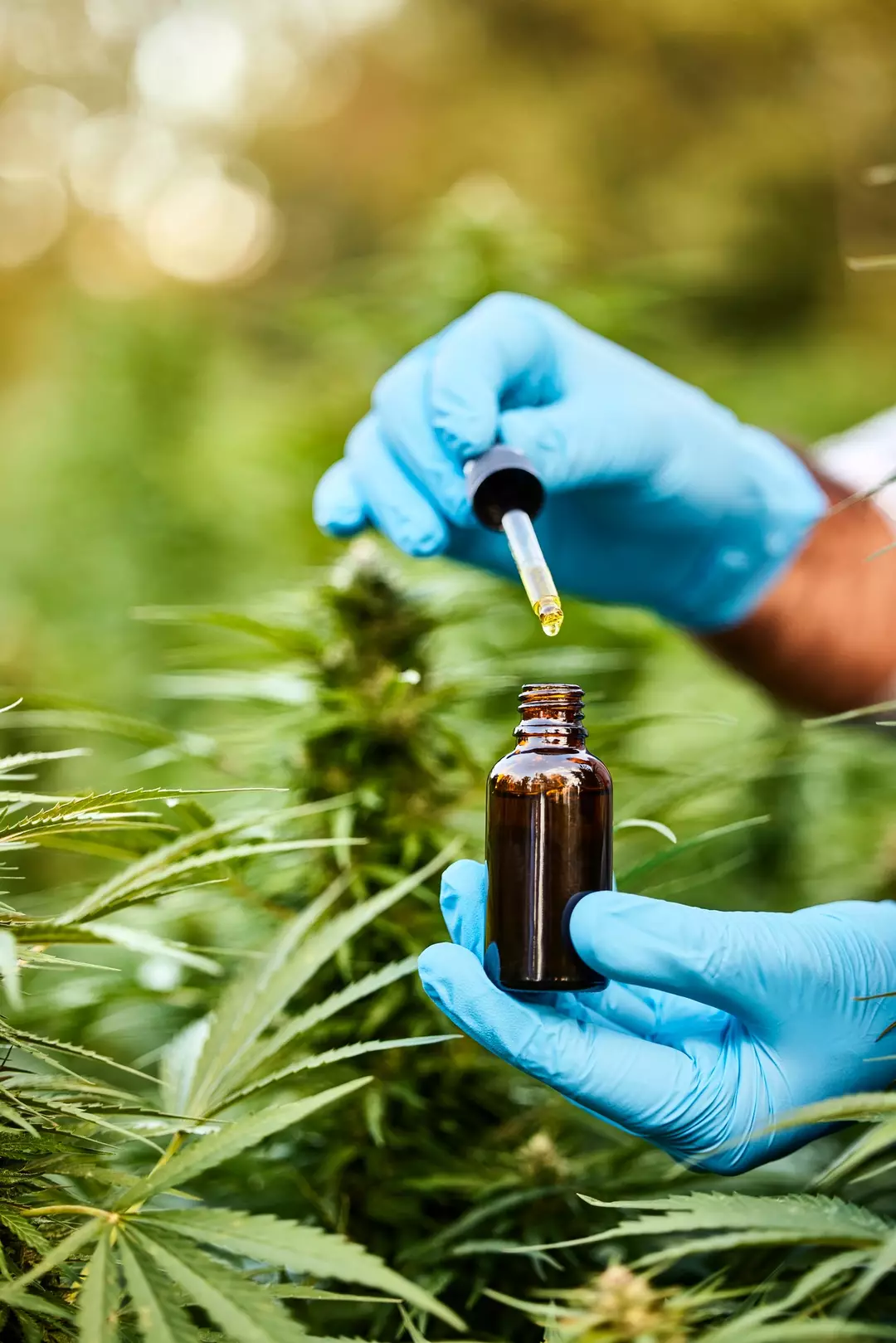
The study found some evidence supporting its use in specific instances, such as chemotherapy, but also identified associated risks.
It highlighted that nearly 29 percent of medical cannabis users met the criteria for ‘cannabis use disorder’—a general term for dependency on the drug.
Moreover, the findings suggested that daily cannabis use might be linked to cardiovascular risks, such as higher chances of heart attacks and strokes, compared to non-daily users.