

For the past two weeks, foreign policy analysts have been trying to pin down what the Trump administration ultimately wants from its confrontation with Iran, after an opening blow in the conflict eliminated the country’s top leadership.
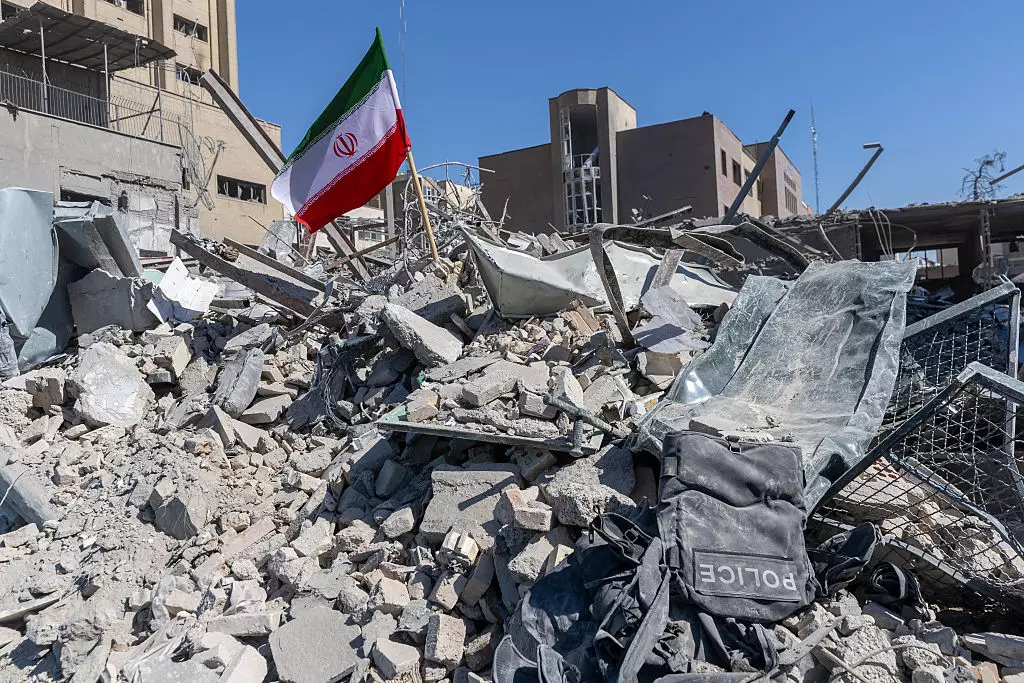
Even after a strike that killed Supreme Leader Ayatollah Khamenei and nearly two weeks of sustained US and Israeli air attacks on sites across Iran, there is still little indication the fighting is close to ending.
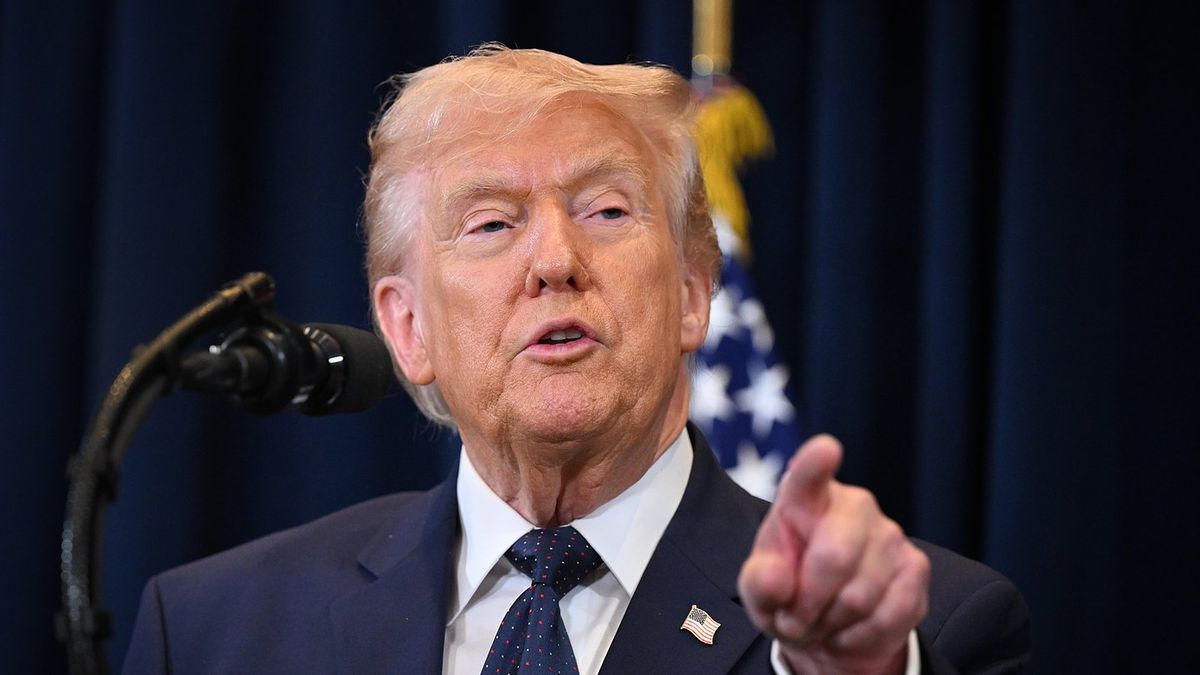
At a political rally last night, President Trump offered his own account of the situation, insisting the conflict was already decided. He argued he had effectively “won” immediately, even as Iran has continued launching drones and missiles since Khamenei’s death.
He followed that claim with a warning that the US could escalate further to “finish it,” saying he did not want American forces returning repeatedly as Iran rebuilds its capabilities. He also used the moment to renew criticism of Barack Obama.
Trump said to cheers from the crowd: “We don’t want to leave early, do we? We got to finish the job, right?”
He then reiterated his familiar line that he was willing to take action where other presidents would not, warning about what could happen under a weaker successor.
“There’ll be some day where you don’t have me as president, perhaps you’ll have a weak, pathetic, person like we’ve had in the past.
“Mostly all. Like Barack Hussein Obama, who signed one of the worst deals, ever with Iran.”
That reference was to the 2015 Joint Comprehensive Plan of Action (JCPOA), widely known as the Iran nuclear deal. Negotiated under President Obama and backed by several Western countries, the agreement aimed to limit Iran’s nuclear program and prevent further weapons development.
The deal was notable for securing Iranian commitments to international oversight, including access for independent inspectors to verify compliance at nuclear facilities.
Its terms required Iran to surrender 97 percent of its enriched uranium, dismantle much of the centrifuge capacity used for enrichment, and halt plutonium production. Over the roughly 28 months the agreement remained in force, inspectors reported Iran had largely upheld its obligations.
In exchange, Western governments agreed to lift major sanctions that had weighed on Iran’s economy for years and helped push Tehran into negotiations.
During Trump’s 2016 presidential campaign, the JCPOA became a regular target of his attacks on Obama, and the US later exited the deal a little over a year into Trump’s first term.
With the agreement gone and sanctions reimposed, last year’s Operation Midnight Hammer strikes reportedly signaled that Iran had resumed enriching nuclear material at its Fordrow Uranium Enrichment Plant.
Despite years of criticism, Trump’s second term at times suggested an interest in pursuing a new arrangement that echoed parts of the JCPOA, potentially extending restrictions beyond nuclear activity to cover non-nuclear missile development as well.
However, after Israel’s fatal strike on Khamenei on Saturday, February 28, any prospect of renewed diplomacy appeared to collapse, with US forces throughout the Middle East pulled into the conflict as Iran’s largely independent military elements initiated retaliation.
In a separate development, ABC News reported on an alert indicating the FBI had cautioned California law enforcement agencies about unverified claims that Iran could respond to US actions in the region by sending drones toward the state.
“We recently acquired information that as of early February 2026, Iran allegedly aspired to conduct a surprise attack using unmanned aerial vehicles from an unidentified vessel off the coast of the United State Homeland, specifically against unspecified targets in California, in the event that the US conducted strikes against Iran,” the alert read. “We have no additional information on the timing, method, target, or perpetrators of this alleged attack.”
While the language is alarming, investigators often distribute unverified leads to local partners out of caution, even when credibility is uncertain.
According to CNN, a law enforcement source said they do not currently believe there is an imminent threat.
California Governor Gavin Newsom struck a similar note on Wednesday (11 March), posting on X:
“While we are not aware of any imminent threats at this time, we remain prepared for any emergency in our state.”
President Donald Trump has since said the government is looking into the unverified report.