

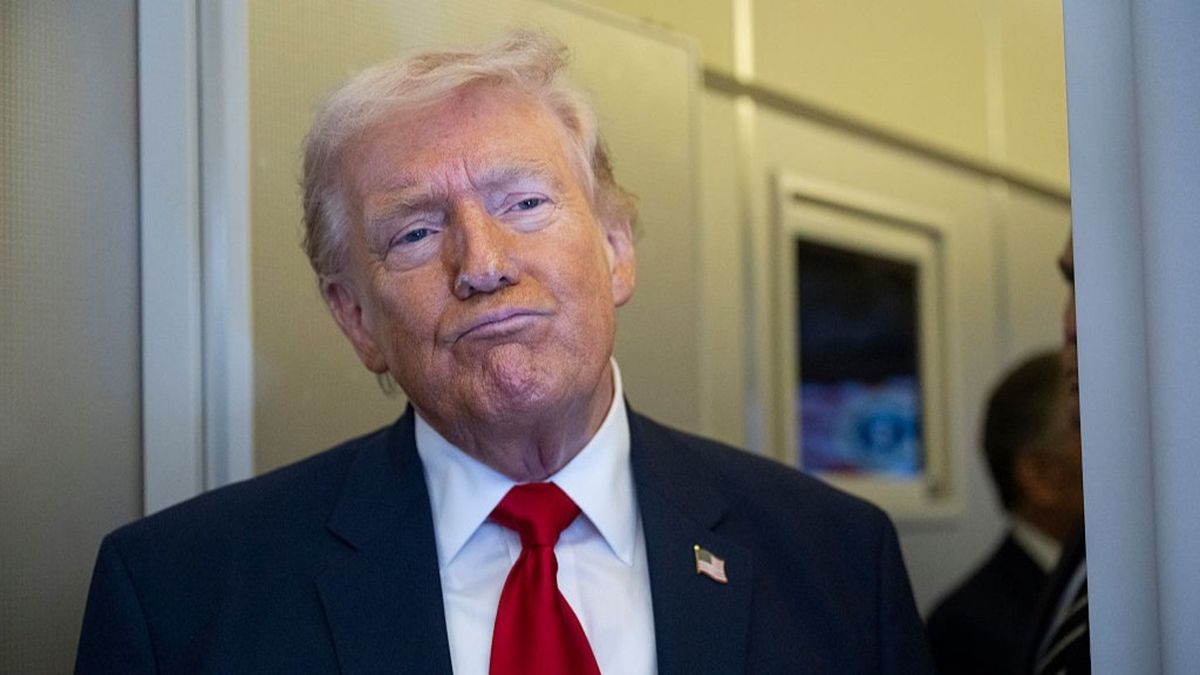
President Trump has urged European nations to take on a bigger role in protecting key Middle East shipping routes, pairing the request with a stark warning about the long-term outlook for NATO, the alliance founded in 1949.
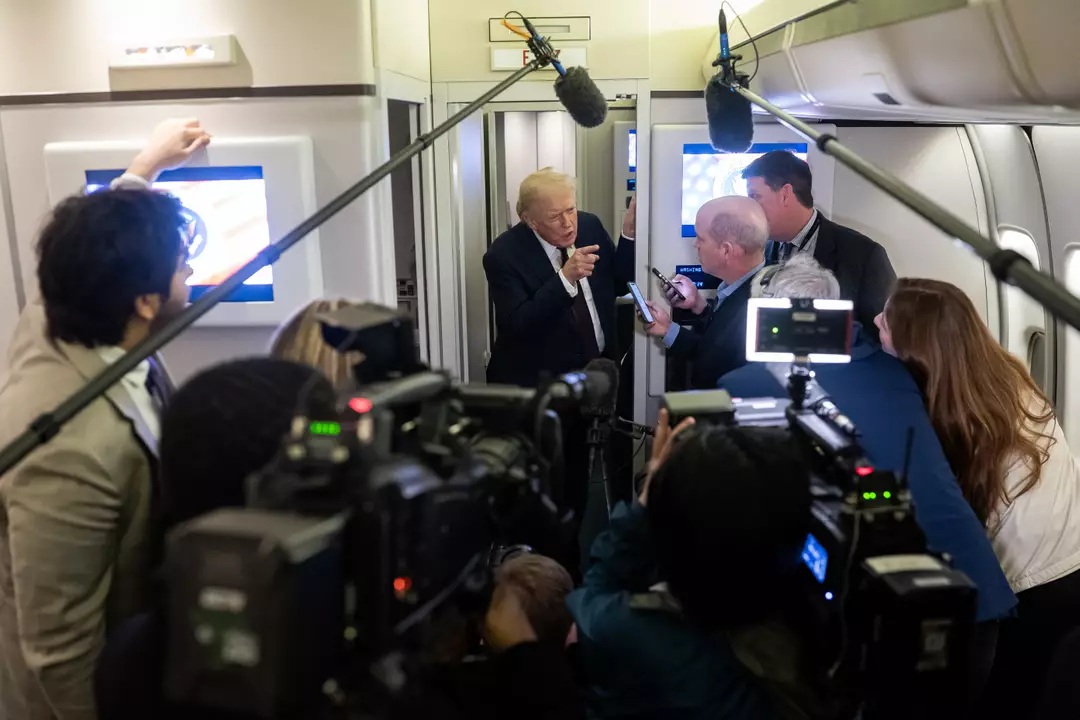
Speaking to reporters in a press gaggle on Sunday night, Trump said NATO could face a “very bad future” if there was “no response” or a “negative response” to his call for assistance in securing the Strait of Hormuz — the narrow passage beside Iran that carries roughly a fifth of the world’s oil.
He argued that the countries set to gain most from restoring traffic through the strait should be the ones helping to safeguard oil tankers and commercial vessels, after US and Israeli strikes on Iran escalated tensions and were followed by Tehran shutting the strategic waterway.
Even with that pressure from Washington — widely interpreted as an attempt to push European navies into action — there was little sign by Monday morning that the message had shifted positions in European capitals. Oil prices, meanwhile, climbed again, with a barrel reaching $106.
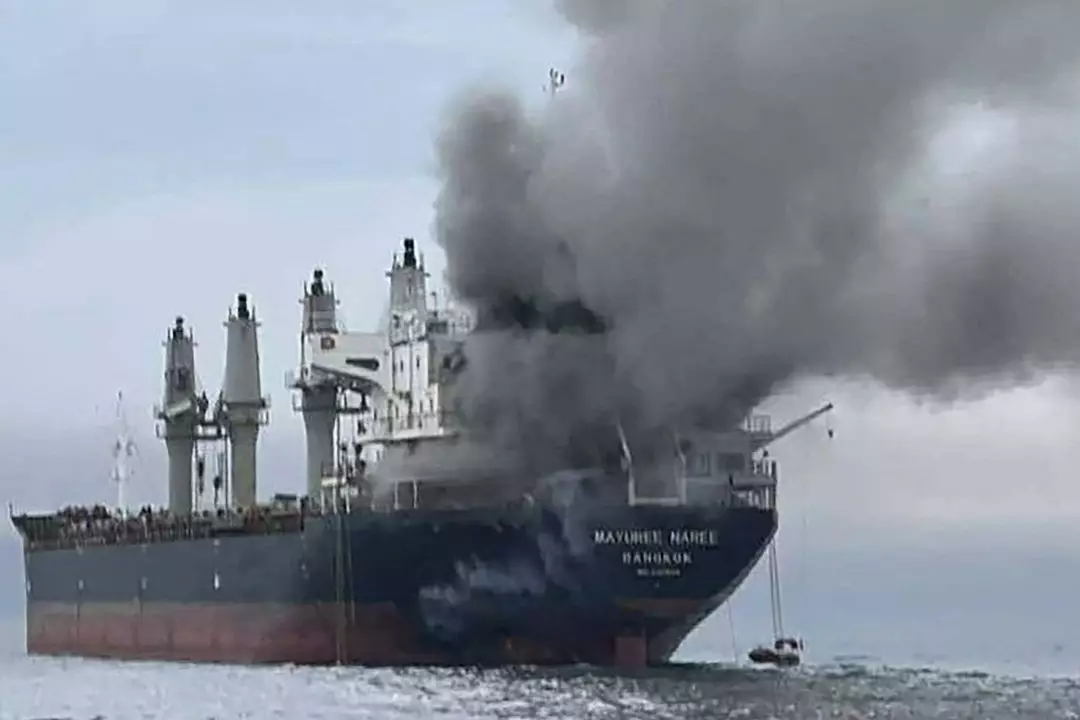
Several of NATO’s smaller members, including Italy and Greece, indicated they would not join a US-led operation in the region. The UK also resisted being drawn directly into the confrontation — at least for now.
At a press conference, Prime Minister Sir Keir Starmer said the quickest and most effective path to getting Gulf oil moving again would be a “negotiated agreement” to end the conflict in Iran.
Starmer added that he had discussed the Strait of Hormuz with Trump the previous night, but said he would not commit forces without a clear legal foundation and a plan that had been properly developed.
Underscoring the level of behind-the-scenes diplomacy, he said his stance was “about standing firm for the British interest, no matter the pressure.”
His comments echoed messages coming from Beijing as well, after Trump also urged China — a major buyer of regional oil — to play a role. A spokesperson for China’s foreign ministry said that “China reiterates its call for all parties to immediately cease military operations.”
Still, while Trump’s push for NATO involvement appeared to meet resistance on Monday morning, the UK said it was working with “all of our allies” on a “viable plan” to restore safe passage through the strait. That was accompanied by reports of French and British warships moving into the region.
Inside the UK’s Labour government, Work and Pensions Secretary Pat McFadden offered what amounted to a direct rebuttal of the idea that NATO should be invoked to support the US request.
He stressed that the alliance is structured around collective defence rather than participation in offensive campaigns, saying: “It is not a Nato war, it is a US-Israeli action. The articles of association of Nato are that it is a defensive alliance.
“We come to one another’s aid when those articles have been breached. We are deeply committed to Nato but it was not conceived and does not operate in the kind of situation we are seeing in the Gulf right now.”
Pressed on Trump’s comments implying NATO’s future could be at risk, McFadden downplayed the warning, saying: “We always take the president seriously but we have learned in the last 15 months or so since he came into office that there is a lot of rhetoric and statements.”