

A subsequent round of discussions between Iran and the United States has occurred, in light of warnings from US President Donald Trump regarding the repercussions if Tehran does not agree to a nuclear accord.
The meeting on Tuesday, February 17, which was facilitated by Oman and held in Geneva, Switzerland, aimed to settle disagreements concerning Iran’s nuclear program.
This gathering happened after Trump issued consistent warnings about the likelihood of military action against Iran should it refuse to negotiate a deal on its nuclear program. He also addressed the continuing use of force against anti-government protesters. Speaking to the press aboard Air Force One before the latest talks, Trump expressed confidence that Iran would come to an agreement.
Meanwhile, Tehran’s foreign ministry conveyed that it perceived the US position on its nuclear issue as having shifted towards ‘a more realistic one’. Iran also mentioned that Tuesday’s meeting would address the potential lifting of economic sanctions imposed by the US.
Trump described the talks as ‘very important’, indicating that while his involvement would be ‘indirect’, he felt Tehran was inclined towards negotiation.
“I don’t think they want the consequences of not making a deal,” Trump stated to the press.
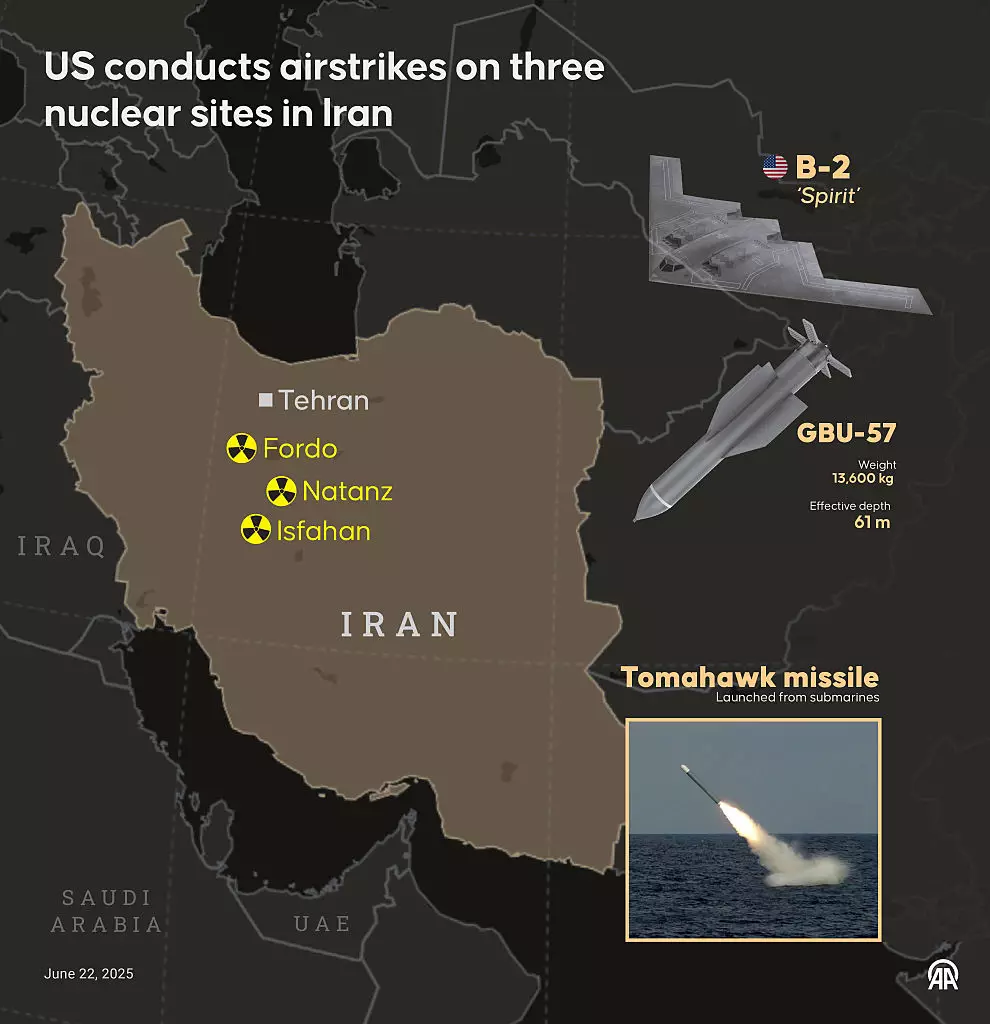
In the previous summer, the US targeted Iranian nuclear sites with bombings. Trump later remarked that a deal could have averted these strikes, mentioning this ahead of the week’s meeting. “
We could have had a deal instead of sending the B-2s in to knock out their nuclear potential,” he informed reporters.
“And we had to send the B-2s,” he added.
As the second round of discussions between Iran and the US concludes, there has been no official statement from either party about the outcome at the time of writing.
The Trump administration continues to advocate for a deal that would limit Iran’s nuclear activities and prevent the development of nuclear weapons. Meanwhile, Iran insists it is not seeking nuclear weapons and has thus far resisted calls to cease uranium enrichment or to relinquish its current uranium reserves.
On Monday, US Secretary of State Marco Rubio acknowledged at a news conference in Budapest that achieving an agreement with Iran would be challenging, yet affirmed the US’s willingness to make the effort, as reported by Sky News.
Trump further informed reporters that the USS Gerald R Ford, the largest aircraft carrier globally, was being deployed to the region. The BBC reports suggest it could arrive within the next three weeks.
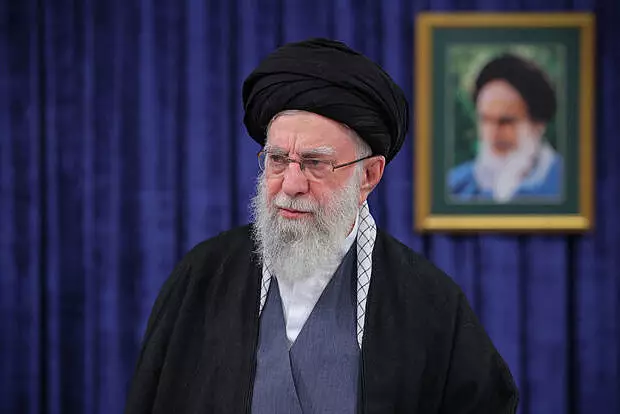
In a response to Trump’s military threats, Iran’s supreme leader Ayatollah Ali Khamenei issued a warning on Tuesday: “More dangerous than an aircraft carrier is the weapon that can send it to the bottom of the sea.”
“He says the US’s army is the strongest army in the world. The ‘strongest army in the world’ may sometimes receive such a blow that it cannot get back up.”