


Across the globe, consumers are bracing for rising fuel costs, steeper grocery bills, and higher household expenses as markets react to a sharp slowdown in economic activity following a week of fighting involving Iran—an escalation that has reportedly disrupted shipping lanes and energy infrastructure through drone and missile attacks.
Brent crude recorded an extraordinary one-day surge, briefly touching $119 a barrel before easing back, as producers including Saudi Arabia, Iraq, Bahrain, and Kuwait moved to curb output.
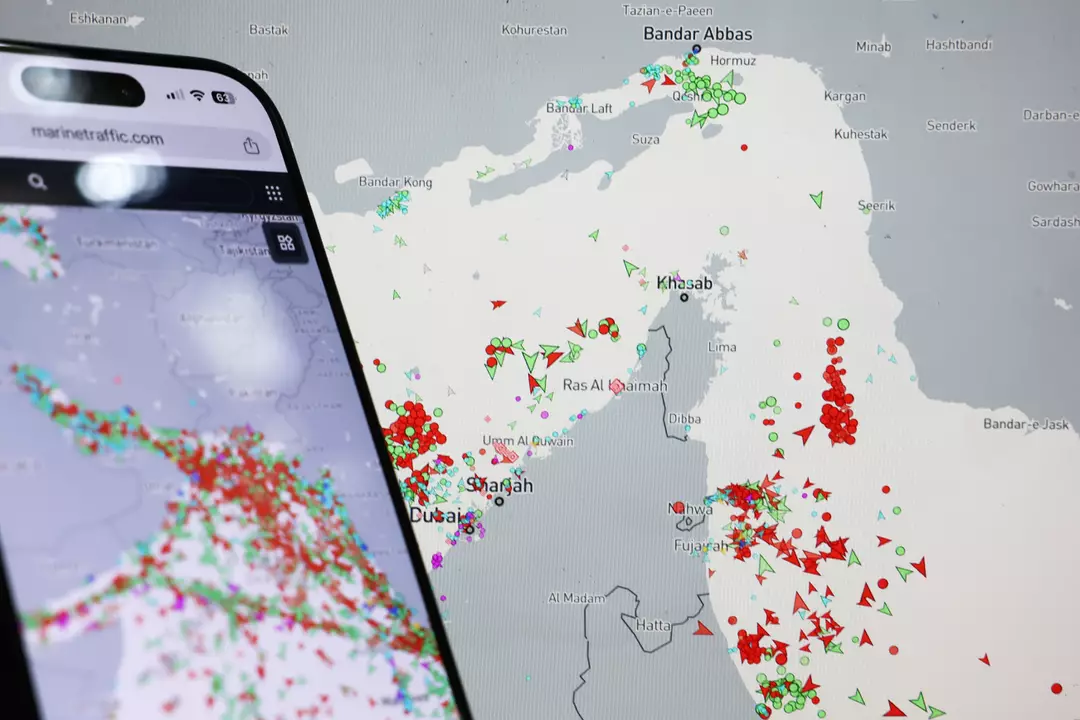
Traders have been focused on the Strait of Hormuz, a critical chokepoint that normally carries roughly 20 to 30 percent of the world’s oil and gas supplies. With the security situation deteriorating and drones reportedly operating in the area, shipping through the passage has effectively stalled.
President Donald Trump—who entered the conflict alongside Israel on February 28 following a strike that Israel said removed Iran’s top leadership—has argued that higher energy prices are tolerable if they deliver broader stability.
As Brent crude hit its highest point since the 2022 pandemic-era spike, Trump posted on TruthSocial:
“Short term oil prices, which will drop rapidly when the destruction of the Iran nuclear threat is over, is a very small price to pay for U.S.A., and World, Safety and Peace.
“ONLY FOOLS WOULD THINK DIFFERENTLY!”
In the United States, pump prices have jumped in recent days. Compared with 10 days ago—when the conflict began—gasoline is now about 17 percent higher, putting the national average at $3.48 a gallon, according to AAA Motor Club data.
On Sunday, Energy Secretary Chris Wright sought to reassure the public that the disruption would be limited, saying: ‘Worst case, that’s a few weeks. That’s not months.’
He told CBS:
“They shouldn’t go much higher than they are here because the world is very well supplied with oil. There’s no energy shortage in all of the Western hemisphere.”
With Washington indicating it could deploy military resources to support energy shipments through Hormuz, Wright said he expects traffic to normalize ‘relatively soon’.
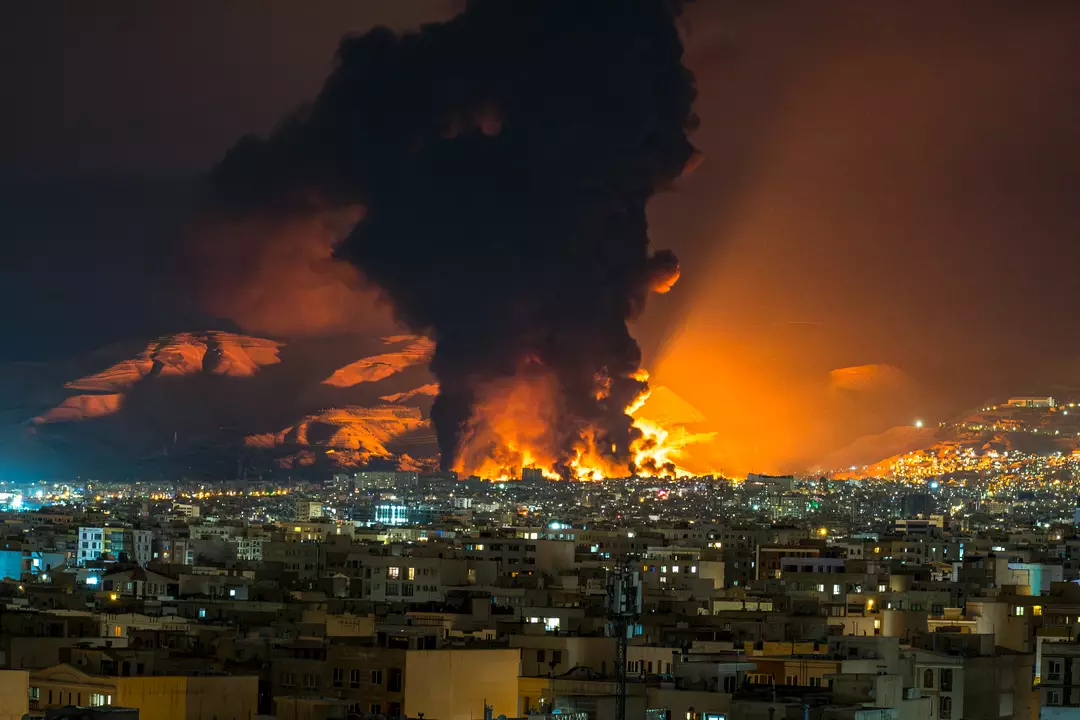
Still, with aerial strikes continuing and retaliatory hits reported against energy facilities in nearby Gulf states, the supply picture has tightened further. Some Iraqi oilfields have reportedly reached their storage limits, forcing operators to slow or halt production.
Bahrain and Kuwait—both major producers—have taken the uncommon step of declaring force majeure, sharply reducing operations amid shipping constraints and reported damage to facilities.
Saudi energy heavyweight Aramco has also lowered output at two of its biggest fields, a sign that price volatility could persist even if the conflict were to end quickly.
The knock-on effect could soon spread to U.S. motorists and consumers worldwide. In response, finance ministers from the G7 are convening on short notice today, Monday, March 9, to discuss potential steps aimed at softening the shock.
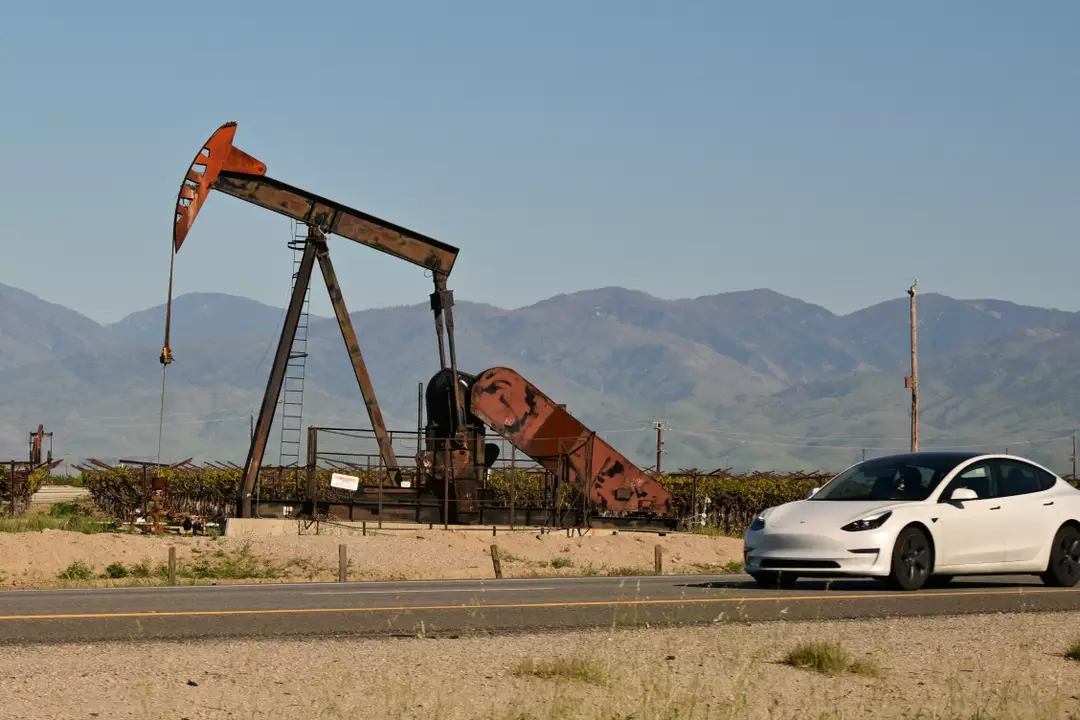
Among the leading options under consideration is a coordinated release of strategic fuel reserves. The U.S. alone is said to have at least 200 million barrels available, which could increase near-term supply and help cap prices.
Elsewhere, governments are already taking emergency measures that could foreshadow wider disruption. In Pakistan, officials are urging drivers to avoid topping up and encouraging remote work, warning the country’s annual fuel import bill could climb by more than $7 billion.
Bangladesh and Myanmar—more exposed to immediate supply swings—are reportedly moving to shorter work weeks and preparing for extended shortages if the conflict continues.
The interruption at Hormuz is also pushing some U.S. partners to reconsider where they source energy. India has reportedly secured permission to buy Russian oil in response to the sudden jump in prices.
Likewise, several European governments are said to be weighing higher purchases from Russia—an outcome that could provide Moscow with additional revenue as its war in Ukraine continues into a fourth year.