

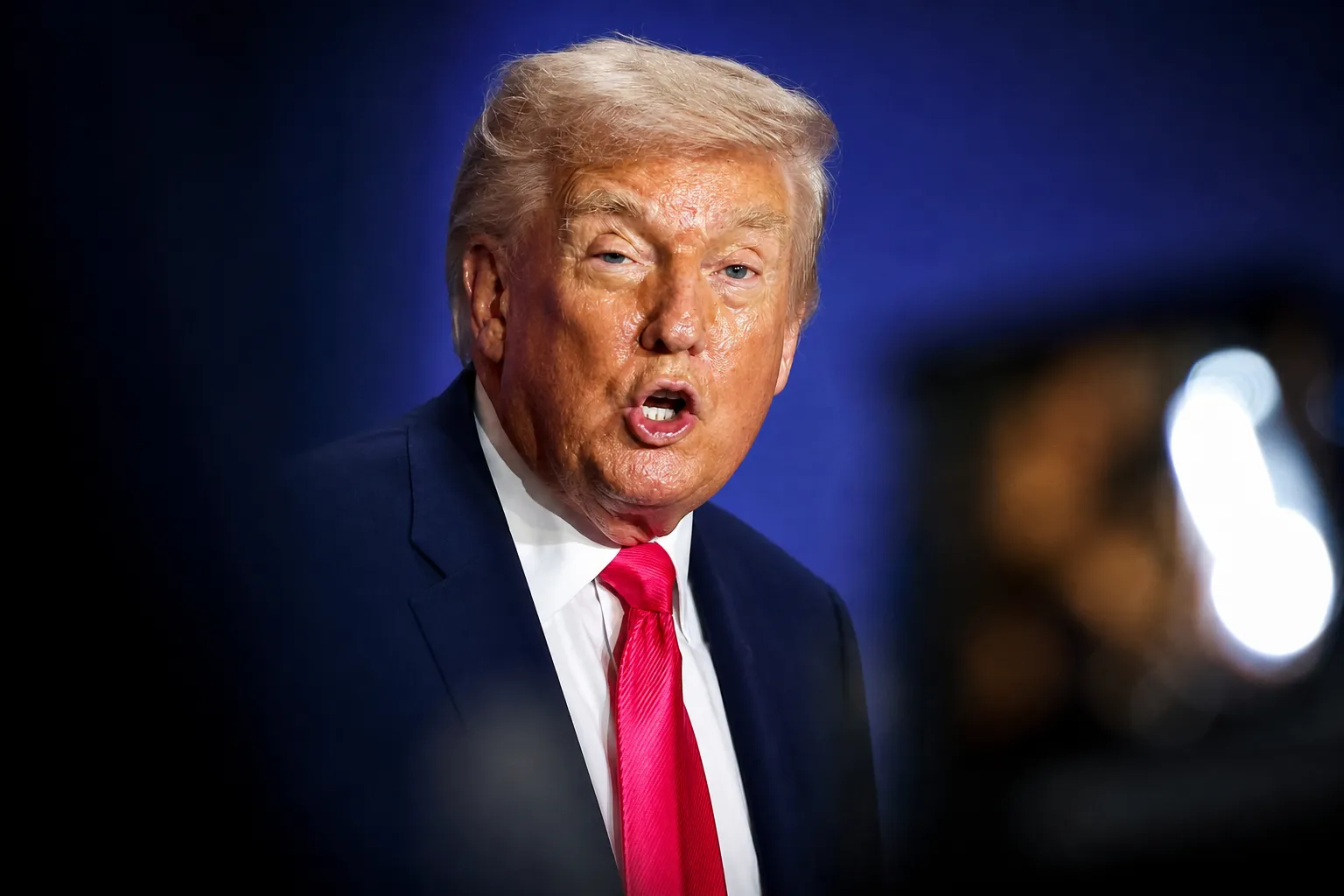
President Donald Trump has removed all three remaining members of the U.S. Election Assistance Commission, a bipartisan federal agency that helps states administer elections, in what administration critics are characterizing as the latest effort to consolidate control over the voting process ahead of the midterm elections.
The White House confirmed Thursday that Trump fired the two Democratic commissioners, Thomas Hicks and Benjamin Hovland, through email. Republican Commissioner Christy McCormick resigned after being contacted by the White House. The terminations leave the agency without any sitting members and unable to function, occurring just four months before the 2026 midterm elections.
Hicks and Hovland were notified of their firing by Morgan DeWitt Snow, the deputy director of presidential personnel. McCormick was asked to resign in a phone call. This follows the earlier departure of Republican Commissioner Donald Palmer, who left voluntarily in April.
The removals represent a dramatic shift in how Trump is wielding presidential power over election administration. The actions became possible after the Supreme Court issued a landmark decision on June 29, known as Trump v. Slaughter, which overturned nearly a century of precedent by ruling that presidents can remove members of independent agencies at will, even without cause. The 6-3 decision eliminated longstanding protections that had required removal only “for inefficiency, neglect of duty, or malfeasance in office.”
The Election Assistance Commission was created by the Help America Vote Act of 2002 as a bipartisan institution designed to help state and local election officials. The agency distributes federal grants to states for election administration, oversees the testing and certification of voting systems, and maintains the national voter registration form. Congress specifically designed the commission to include two Democrats and two Republicans, with members nominated by the president and confirmed by the Senate.
A White House statement said the administration “reserves the right to remove individuals that may not be totally aligned with the important task of securing America’s elections and ensuring every legal vote is counted.” The statement cited the Slaughter decision as giving the president authority to take such action.
However, critics and election experts say the agency’s removal reflects Trump’s ongoing efforts to reshape election administration according to his preferences. The commission had previously resisted Trump’s push to require documentary proof of citizenship on the federal voter registration form, a centerpiece of his March 2025 executive order on elections. Federal judges have blocked that requirement, ruling it exceeds the president’s constitutional authority. Congress and the states, not the president, have primary authority over election administration.
The loss of the commission during an election year poses significant practical challenges. Without commissioners, the agency cannot distribute new federal grants to election offices or make decisions affecting voting systems and procedures. Commissioners are needed to vote on policy changes, adapt to emerging challenges, and coordinate with state and local election officials.
Benjamin Hovland, one of the fired commissioners, said he was returning from a work trip to Missouri when he learned of his termination while at an airport. He warned that removing the EAC’s expertise and resources would have negative consequences. “When you’re asking more and more of people without giving them the necessary resources, mistakes happen,” he said, describing the situation as resembling “a death-of-1,000-cuts” rather than addressing any specific problem.
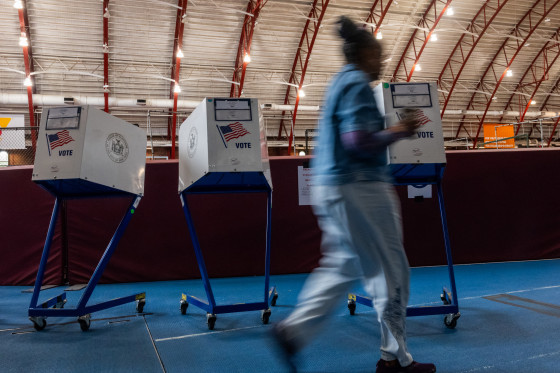
Democratic officials and voting rights advocates condemned the action. Senate Minority Leader Chuck Schumer called it “a brazen attempt to seize control of our elections before a single vote is cast.” California U.S. Senator Alex Padilla and New York U.S. Representative Joe Morelle said Trump was dismantling “another independent guardrail of our democracy designed to keep elections fair and secure.”
Michael Waldman, president and CEO of the Brennan Center for Justice, described the removals as “deeply concerning” given Trump’s history of attempting to interfere in elections. He warned that the agency cannot lawfully make any decisions affecting how Americans vote until bipartisan replacements are confirmed by the Senate, a process that could take considerable time.
The Bipartisan Policy Center noted that the departures represent “a significant loss for one of the federal government’s few institutions explicitly designed around bipartisan governance.”
Replacing the commissioners requires Senate confirmation, a process that could take months. It remains unclear whether Trump plans to nominate new members immediately or leave the positions vacant, a strategy that could further hamstring the agency’s ability to function during a critical election cycle.
The action is part of a broader pattern of Trump’s efforts to expand White House control over elections. Beyond the commission firings, Trump has pushed Republican-led states to conduct mid-decade redistricting to create more GOP-favorable seats and has backed stringent voting restrictions that critics say would disenfranchise voters. The administration has also been highly critical of mail-in voting and has moved to restrict the practice.
Earlier this year, Trump also fired Ellen Weintraub, a Democratic commissioner on the Federal Elections Commission, and removed Democratic members from several other independent agencies. The Slaughter ruling has opened the door for similar removals across the federal government, potentially affecting agencies responsible for protecting workers, consumers, the environment, and civil rights.