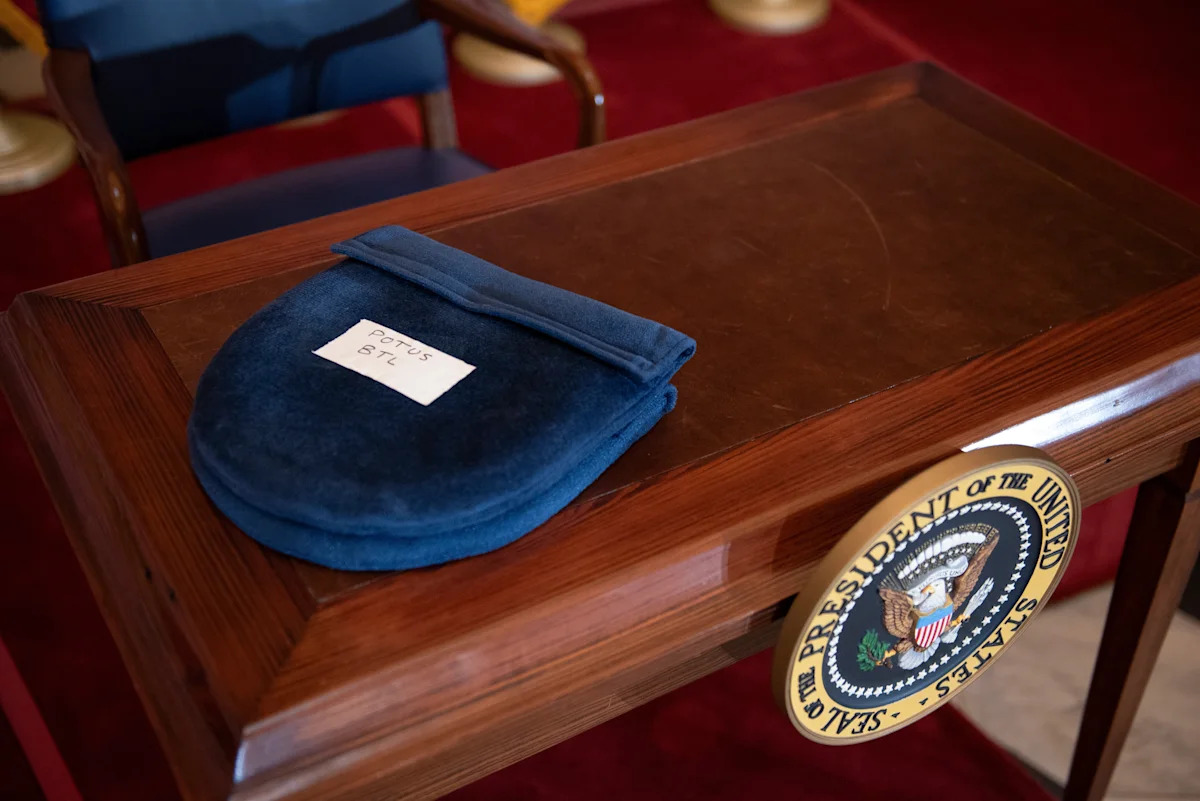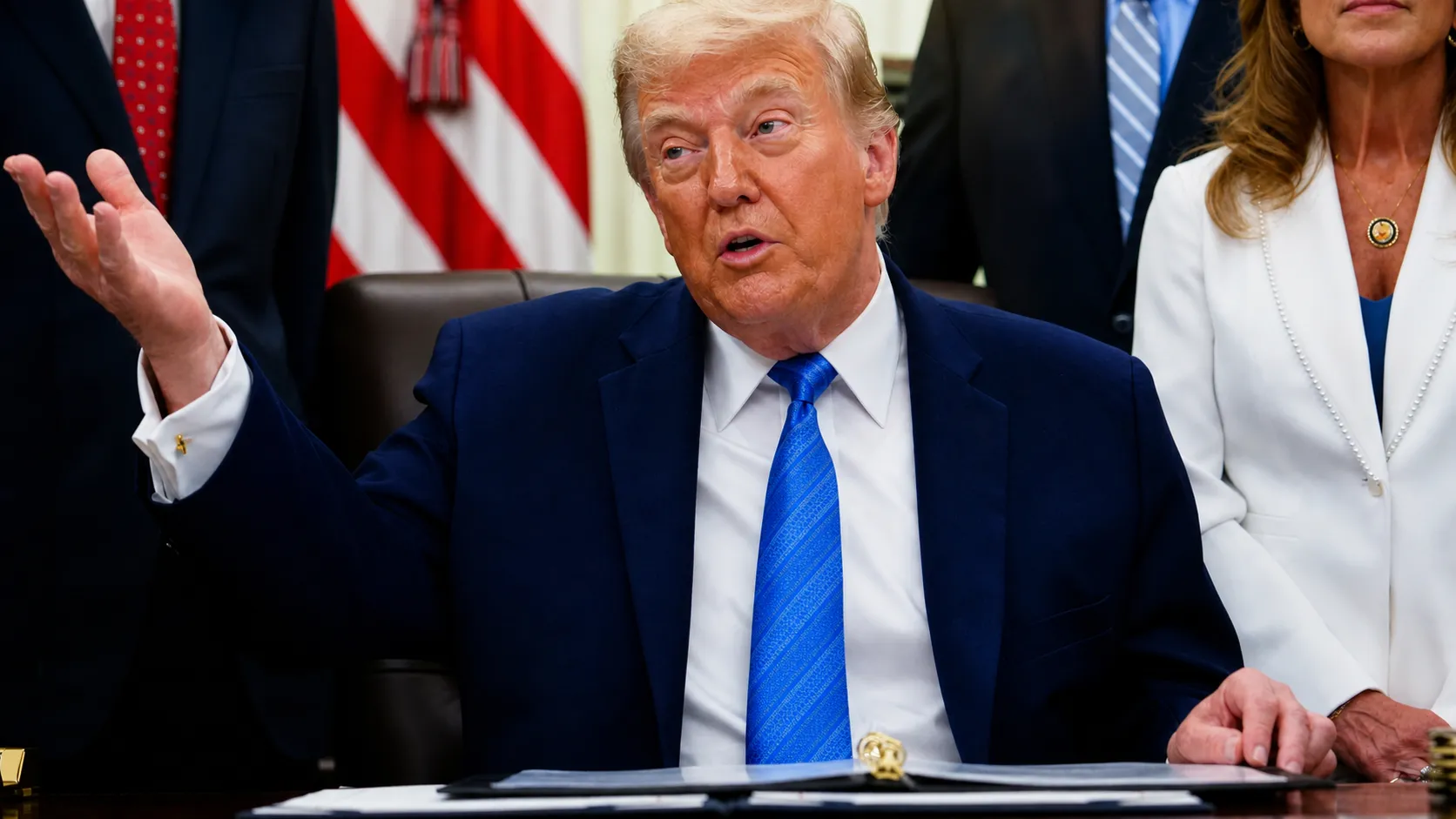
President Donald Trump is letting a sweeping bipartisan housing affordability bill become law without his signature, marking an unusual outcome for legislation that passed Congress with overwhelming support from both parties. The 21st Century ROAD to Housing Act will automatically become law at midnight on Friday unless Trump issues a veto, which he did not indicate he plans to do.
In a social media post, Trump announced his decision to refuse to sign the measure. “I will not sign the Housing Bill, which has been fully approved by Congress and sent to the White House, in PROTEST over the fact that the United States Senate is not capable of passing THE SAVE AMERICA ACT,” he wrote.
The housing bill passed both chambers of Congress by historic margins in late June. The Senate approved it 85-5 on June 22, while the House followed with a 358-32 vote on June 23. The measure was sent to Trump’s desk on June 29, and a signing ceremony was scheduled for the following day.
But hours before the planned signing, Trump abruptly canceled the ceremony. He refused to sign the bill unless Congress first passed the SAVE America Act, a separate piece of legislation that would require proof of citizenship to register to vote and a photo ID to cast a ballot. The voter identification bill has stalled in the Senate, falling short of the 60 votes needed to overcome the filibuster and advance.
Under the Constitution, a bill automatically becomes law if the president neither signs nor vetoes it within 10 days, excluding Sundays, while Congress is in session. Since Trump took no action on the housing bill, it will proceed to become law without his signature or approval.
The housing measure represents the most significant federal housing legislation in more than three decades. The bill aims to address America’s housing affordability crisis by streamlining environmental review processes, making it easier for credit unions and banks to issue mortgages, expanding access to modular homes, and restricting large corporate investors from purchasing single-family homes. The measure passed with broad support from mortgage and homebuilding industry groups, civic organizations, and low-income housing advocates. A recent poll found that 89% of registered voters supported the legislation.
Trump had initially championed the housing bill. In his January State of the Union address, he called on Congress to limit institutional investors’ ability to purchase single-family homes, a provision included in the final measure. House leaders reached agreement on the bill’s final text in May with Trump’s input.
But Trump’s refusal to sign has created significant tension with Republicans on Capitol Hill. Many GOP senators have expressed shock and bewilderment at the move, describing it as politically damaging in a midterm election year when housing affordability is a leading voter concern.
Senator John Cornyn of Texas said Trump’s decision was “inexplicable” and questioned whether there was any precedent for it. “I don’t know if there’s a precedent for it,” he said. Senator Susan Collins of Maine said the move “makes no sense” because the bill addresses a core concern of voters before the November elections. “This bill has very strong bipartisan support in both the House and the Senate. The primary author is a Republican senator and it addresses an issue that affects many American families who find the cost of housing to be a tremendous burden,” Collins told reporters.
Senator Thom Tillis of North Carolina called the move politically unwise. “I don’t know why you’re holding a bill that’s ready for signature hostage over a bill that will never pass this Congress, makes no sense to me,” Tillis said.
Trump has made the SAVE America Act his top legislative priority. He has repeatedly pressed Senate Majority Leader John Thune to eliminate the filibuster to allow the bill to pass with a simple majority. But Republican leaders insist they do not have the votes to either pass the voter identification bill or to change the Senate rules necessary to bypass the 60-vote threshold.
Trump has downplayed the importance of the housing bill, calling it “of minor importance” and a “big yawn.” He also made demeaning references to Senator Elizabeth Warren of Massachusetts, one of the bill’s primary architects. “The Elizabeth ‘Pocahontas’ Warren centric housing bill, which is of minor importance compared to lower interest rates, and even FISA, pales in comparison to passing THE SAVE AMERICA ACT,” he wrote in one post.
Democrats have seized on Trump’s refusal to sign as evidence that he is indifferent to the affordability issues that voters rank as a top concern. Senator Elizabeth Warren responded on social media after Trump attacked her in his cancellation message. “But at the 11th hour, Donald Trump is refusing to sign it into law. His policies have made your costs go up — and he doesn’t care,” she said.
Senate Minority Leader Chuck Schumer said Trump is “running away from one of the very few accomplishments that could actually help the American people” by refusing to sign the legislation. “The bipartisan housing bill was an accomplishment that the American people want, are proud of, and need,” Schumer said on the Senate floor.
Republican Senator Don Bacon of Nebraska, who supported the bill, expressed confusion over Trump’s reversal. “He strongly endorsed the housing bill a month ago, so the criticisms now are strange. We made the Senate bill better than when he endorsed it,” he told reporters.
Trump’s move has exacerbated tensions between the president and his party on Capitol Hill at a critical moment. With less than five months until November’s midterm elections, Republicans were hoping to point to the housing bill as a major legislative achievement that addresses voter concerns about rising costs. The bill’s automatic passage into law without Trump’s signature means Republicans will lose the political benefit of a presidential endorsement during an election year when affordability remains one of the most pressing issues for voters nationwide.