

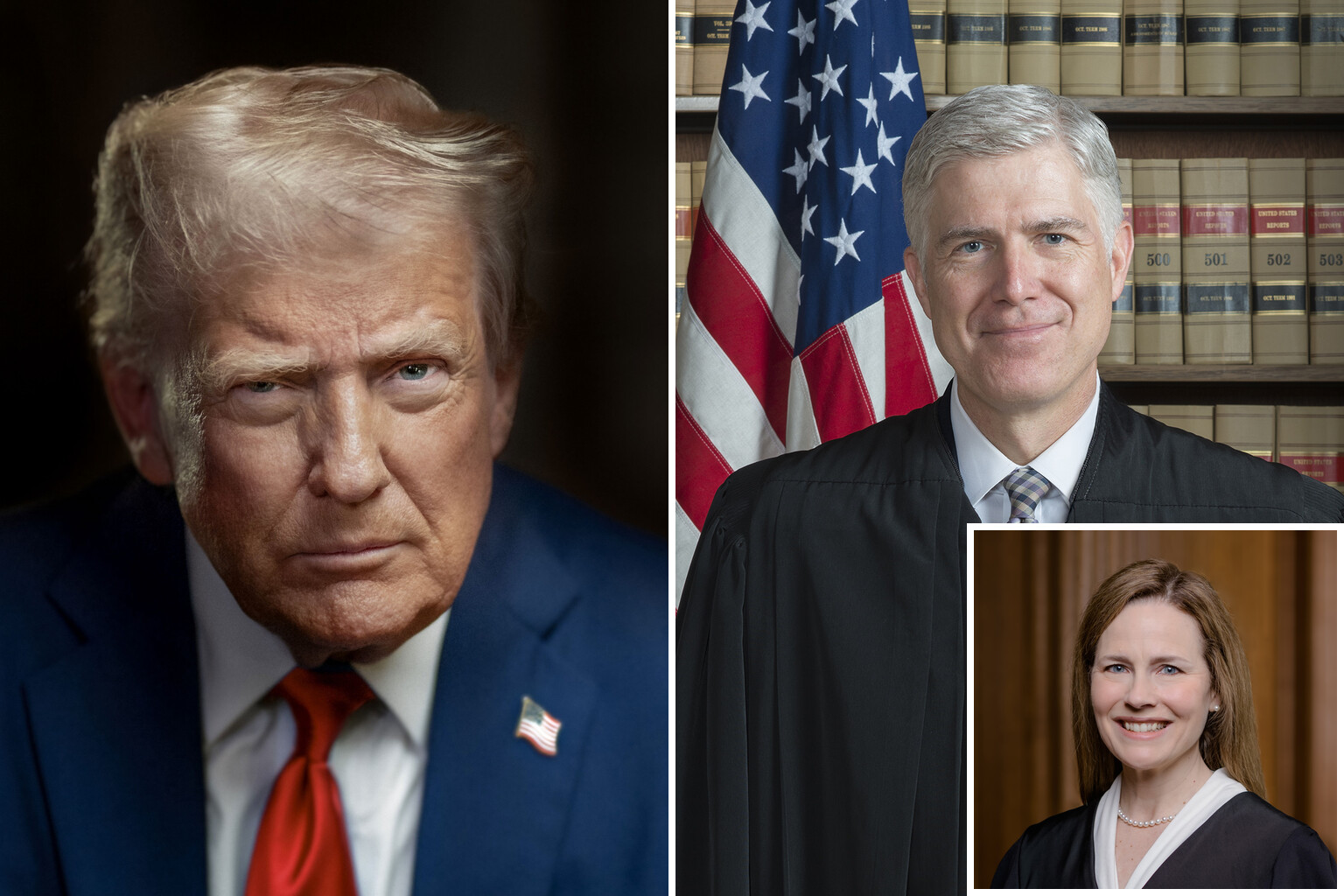
President Trump lashed out at his own Supreme Court appointees Tuesday after they joined a majority blocking his mail-in ballot restrictions before the November midterms.
Trump, 78, directed his fury at Justices Amy Coney Barrett, Neil Gorsuch and Brett Kavanaugh — all three jurists he elevated to the nation’s highest bench during his first term. The president had asked the court to stay a lower-court ruling that enjoined his March executive order on absentee voting, but only Justices Samuel Alito and Clarence Thomas sided with him.
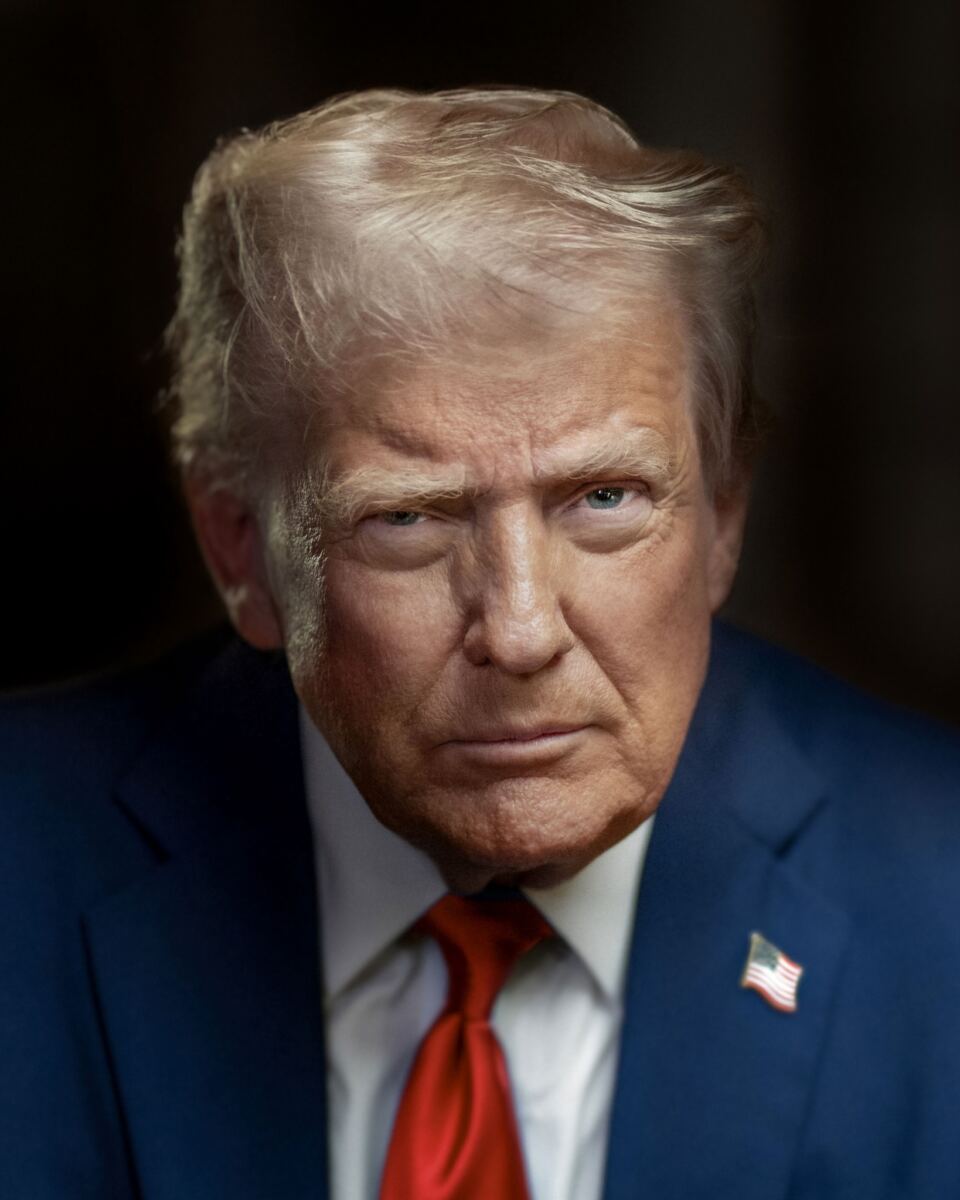
“This Supreme Court is bullied and cajoled by the Radical Left into making decisions that have set America back at least a hundred years,” Trump wrote on Truth Social. The president’s broadside came hours after the court’s unsigned order refused to let his administration implement new mail ballot rules ahead of the fall elections.
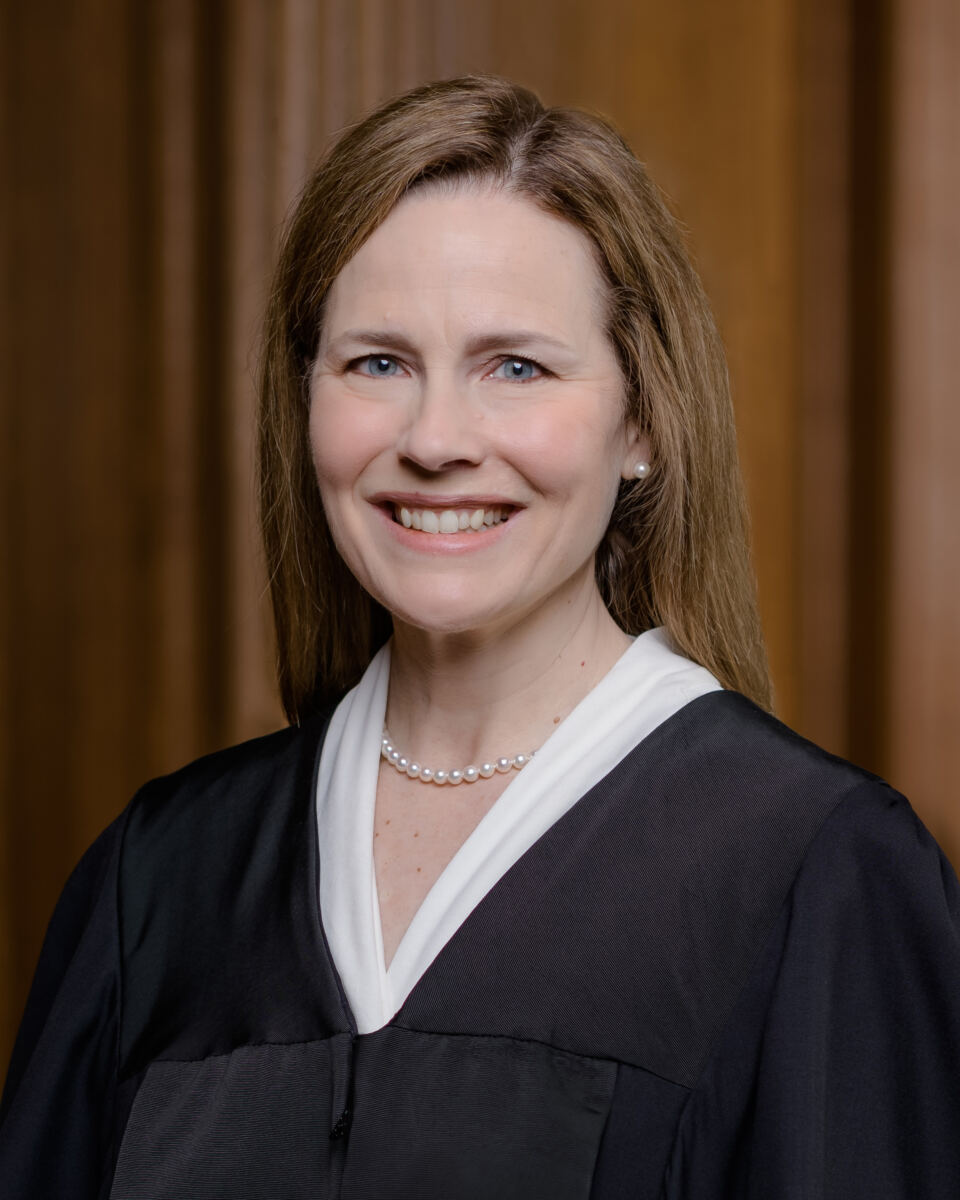
“These are not the people I interviewed to serve on the United States Supreme Court, they are merely a shell of their original selves,” Trump continued in the same post. The attack marked an extraordinary public denunciation by a former president of jurists he once championed as conservative stalwarts.
The blocked rules would have required every state to compile a list of citizens eligible to vote, with absentee ballots sent only to those on approved rolls. Each ballot would have traveled in secure envelopes bearing barcodes, measures the administration framed as anti-fraud safeguards.
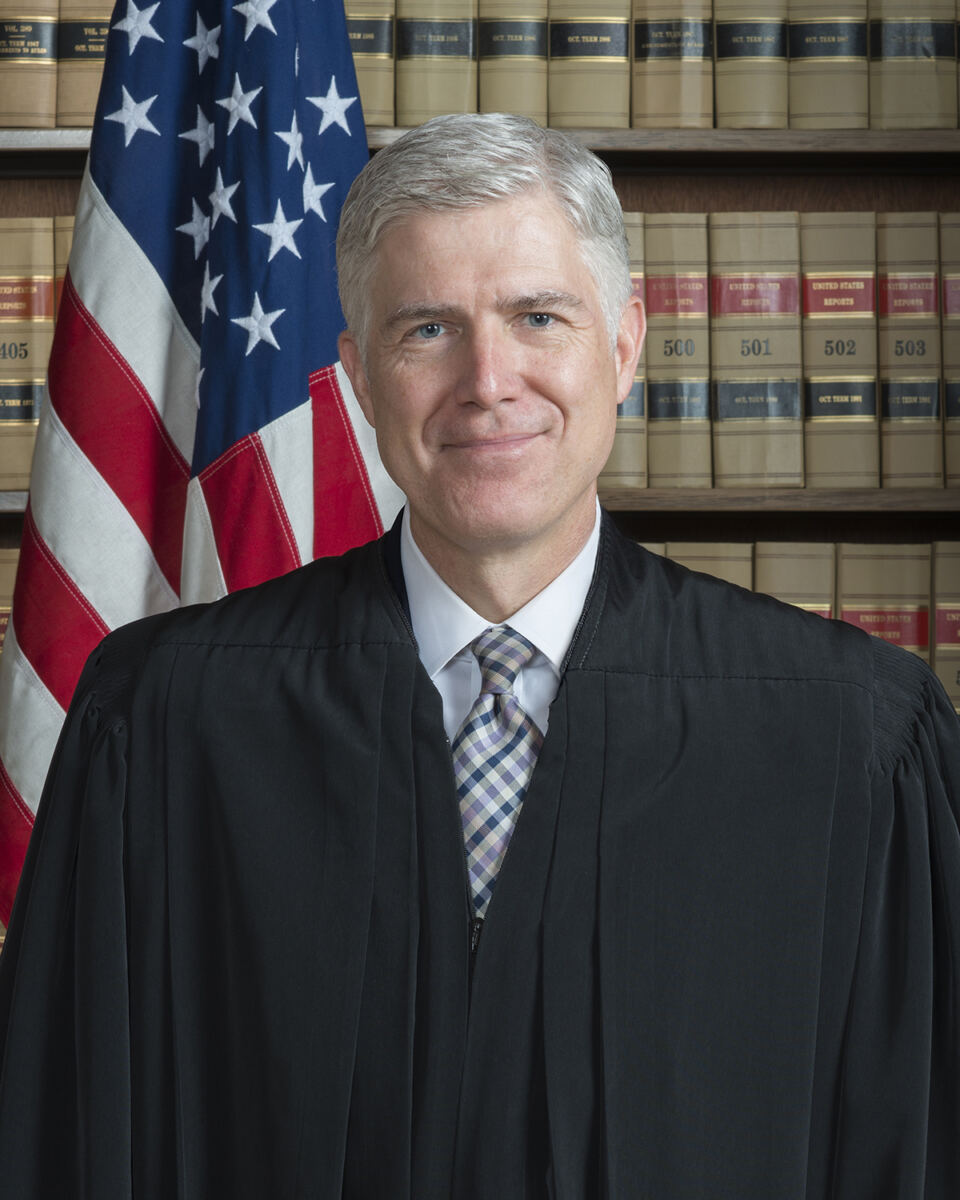
Lower courts had halted the order before it took effect, finding it likely violated the Constitution’s elections clauses and federal voting-rights statutes. The administration then turned to the Supreme Court for emergency relief, a familiar pattern in Trump’s efforts to advance policy through executive action.
Barrett, 53, joined the court in October 2020 following the death of Ruth Bader Ginsburg. Gorsuch, 57, became the first Trump nominee when he filled the seat left vacant by Antonin Scalia’s death in 2016. Kavanaugh, 60, survived a bruising confirmation fight in 2018 to replace the retired Anthony Kennedy.
Alito and Thomas, the court’s two most senior conservative members, were alone in signaling they would have granted Trump’s request. Neither wrote a dissent explaining their reasoning, and the majority offered no opinion beyond the one-sentence denial.
The March order represented Trump’s most sweeping attempt to reshape mail-in voting since leaving office, touching a process that expanded dramatically during the COVID-19 pandemic and has remained a fixation for the former president. He has repeatedly claimed without evidence that widespread absentee balloting invites fraud, though courts and election officials across multiple states have found no systematic problems.
Trump’s Tuesday outburst carried particular sting given his past triumphalism about the court’s ideological composition. He had touted his three picks as a defining presidential achievement, with Barrett’s confirmation especially celebrated as cementing a 6-3 conservative majority.
The timing carries weight with midterm elections approaching and control of Congress at stake. Several battleground states allow broad no-excuse absentee voting, and the administration’s rules would have forced last-minute changes to established procedures.
The court’s action leaves the lower-court injunction in place while litigation continues, meaning the March order cannot take effect before November’s contests.