

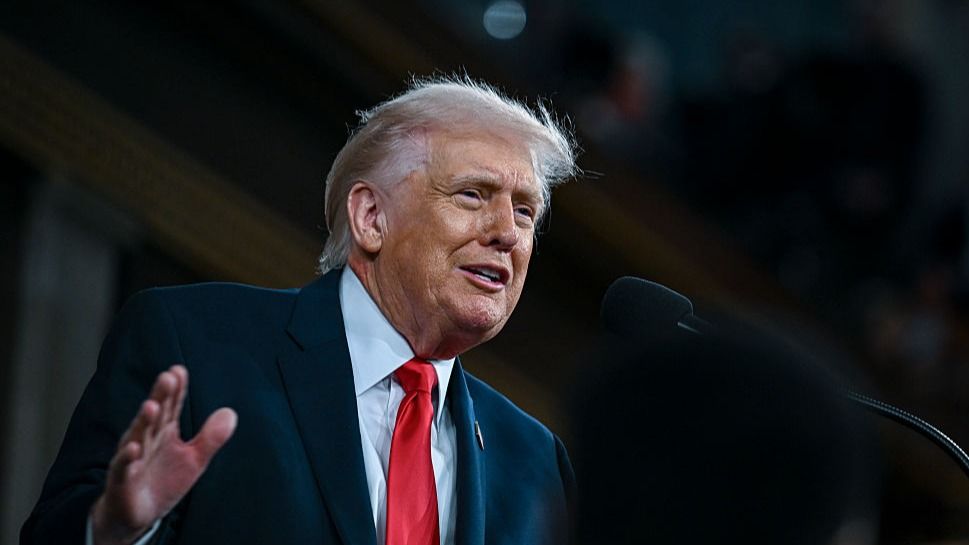
Donald Trump has gone against expectations after taking a notably gentle line toward former political foe Bill Clinton, following Clinton’s deposition over his ties to the late Jeffrey Epstein — the first time a former U.S. president has reportedly sat for this kind of testimony on the matter.
On Friday, February 27, proceedings in Chappaqua, New York, placed Clinton under questioning about his past interactions with the former financier and convicted sex offender.
The deposition was conducted under the direction of the Republican-led House Oversight Committee, but attention soon widened into a partisan fight over whether Trump should also be called to testify.
Outside the White House, Trump addressed reporters and struck an unusually sympathetic note when discussing Clinton.
“I like Bill Clinton. I don’t like seeing him deposed,” Trump stated, though he quickly pivoted to his own grievances, adding, “But they certainly went after me a lot more than that.”
Even with Trump’s public show of sympathy, Democrats have continued to scrutinize him, noting that his name appears alongside Clinton’s in materials relating to Epstein.
House Oversight Democrats are now pointing to Clinton’s decision to cooperate as leverage to push for Trump to appear, arguing it signals a change in expectations for former presidents. Rep. Ro Khanna (D-CA) framed it as a turning point.
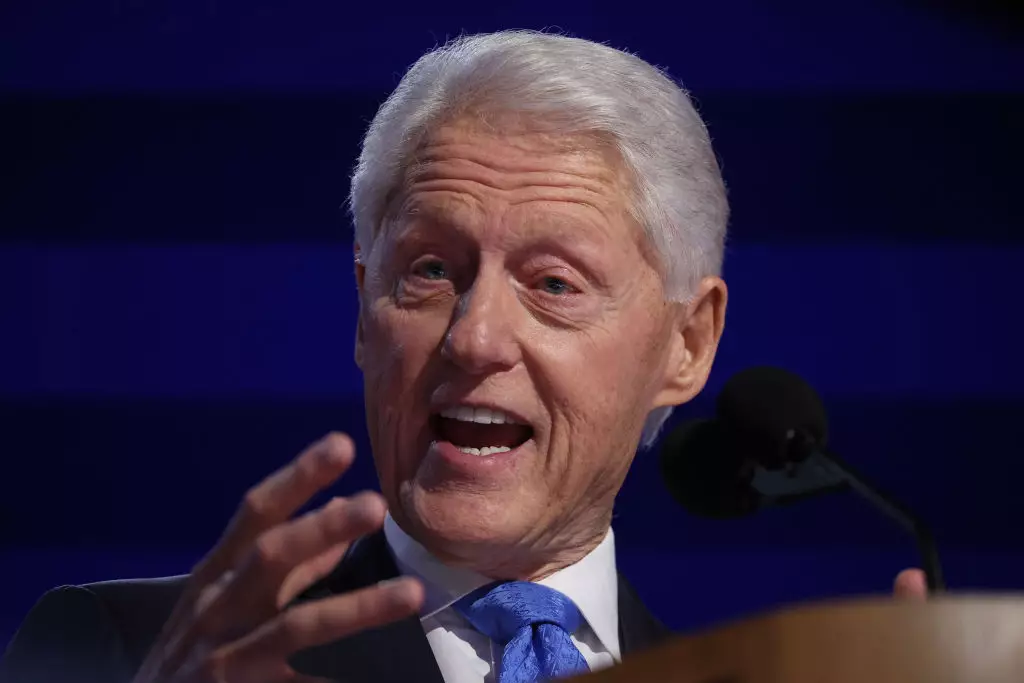
“A new precedent has been set in America today,” said Khanna. “Before this, we had the ‘Trump rule.’ Trump defied, as all of you know, a congressional subpoena with the January 6 committee. He said presidents don’t have to testify.”
“Now we have the ‘Clinton rule,’ which is presidents and their family have to testify when Congress issues a subpoena,” Khanna continued. “And that means that Donald Trump needs to come before our committee and explain what he knew about Epstein and explain why we have not had a full release of the documents.”
Rep. Robert Garcia (D-CA) echoed that pressure, arguing that if Trump’s repeated public claims of being cleared are accurate, he should have no reason to avoid answering questions under oath.
“President Trump, who is in the Epstein files almost more than anyone else besides Ghislaine Maxwell, should come answer our questions. This is not a hoax. He has not been exonerated,” he said.
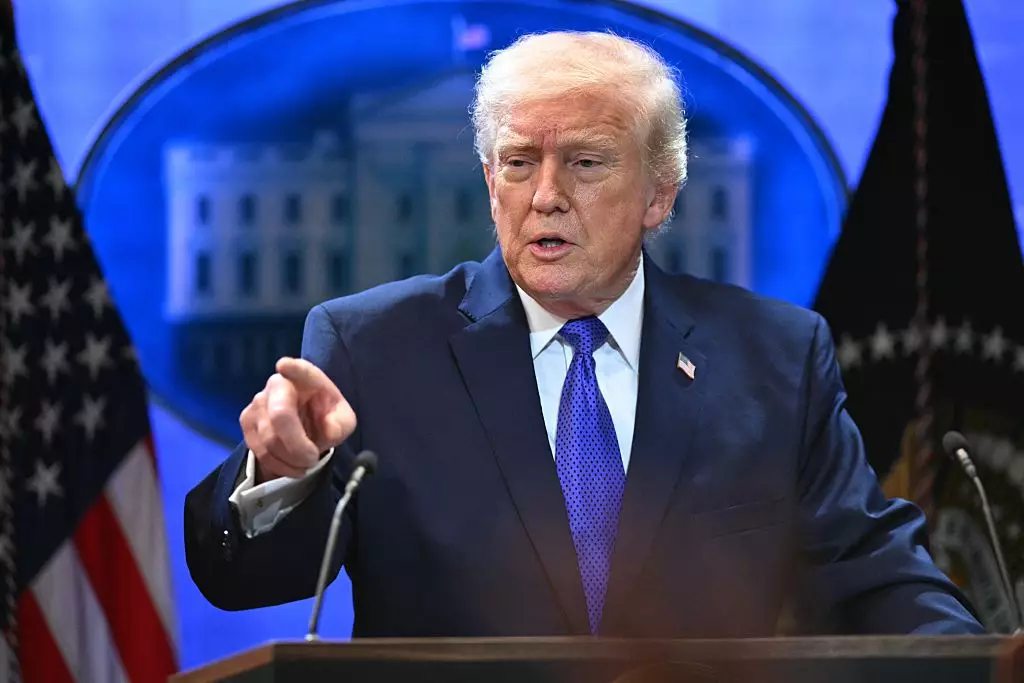
Trump has consistently characterized scrutiny around Epstein as a “witch-hunt” and has insisted that available information clears him. He has not been formally deposed or charged in relation to Epstein, and he has repeatedly denied wrongdoing.
In a recent exchange with reporters while discussing Andrew Mountbatten-Windsor’s links to Epstein, Trump again leaned on the same defense and portrayed himself as uniquely positioned to comment.
“I’m the expert in a way because I’ve been totally exonerated. That’s very nice. I can actually speak about it very nicely. I think it’s a shame. I did nothing.”
Details of Clinton’s testimony have not been made public because the deposition was held behind closed doors. However, Oversight Committee Chairman James Comer said Clinton had stated he had ‘never seen anything to make [him] think Trump was involved with Epstein.’
Still, when Clinton was asked directly whether Trump should also testify, he declined to take a position and left the decision to the committee, saying: “That’s for you to decide.”