

President Donald Trump is contradicting his own administration’s policy by urging Immigration and Customs Enforcement not to halt traffic stops, even as the agency announced a temporary suspension following two fatal shootings in Maine and Texas within the span of a week.
The Trump administration ordered ICE to suspend most vehicle stops after an ICE officer shot and killed a Colombian driver in Biddeford, Maine, on Monday and another officer fatally shot a motorist in Houston on July 7. In a Truth Social post, Trump argued that ICE should continue traffic stops, calling them one of the agency’s “most important and effective crime fighting tools.”
The temporary suspension came from Homeland Security Secretary Markwayne Mullin following pressure from Senator Susan Collins of Maine, who urged him to “cease all non-urgent vehicle stops.” Under the policy, ICE officers are largely prohibited from conducting traffic stops, though exceptions remain for cases involving the most serious criminal offenders and when executing criminal warrants with partner agencies.
The two fatal incidents have intensified scrutiny of ICE’s enforcement tactics. On July 7 in Houston, an ICE officer fatally shot 52-year-old Lorenzo Salgado Araujo, who was driving a van to work. According to Department of Homeland Security officials, the officer claimed Araujo tried to ram an ICE vehicle and attempted to run over an agent. However, witnesses and passengers in the vehicle have disputed those accounts, with some stating that agents were never in danger.
On Monday, an ICE officer fired into a vehicle driven by 26-year-old Johan Sebastián Durán Guerrero in Biddeford. DHS claimed the officer feared for public safety and that Durán Guerrero attempted to flee in the direction of the officer. Durán Guerrero was not the target of the operation; officers had been surveilling another individual. Security camera footage shows a white car slowly approaching an intersection and making several circles before officers pulled over the vehicle. Neither officer involved in the Maine shooting wore a body camera.
The deaths mark a troubling escalation in ICE-related fatalities during Trump’s second term. These shootings come months after the killing of Renee Good and Alex Pretti in Minneapolis in January, which sparked nationwide protests and calls for accountability. Since Trump began his immigration enforcement surge, at least nine deaths have been linked to ICE shootings and dozens more have occurred in ICE custody, continuing a record-high trend from 2025 when 32 people died in the agency’s detention facilities.
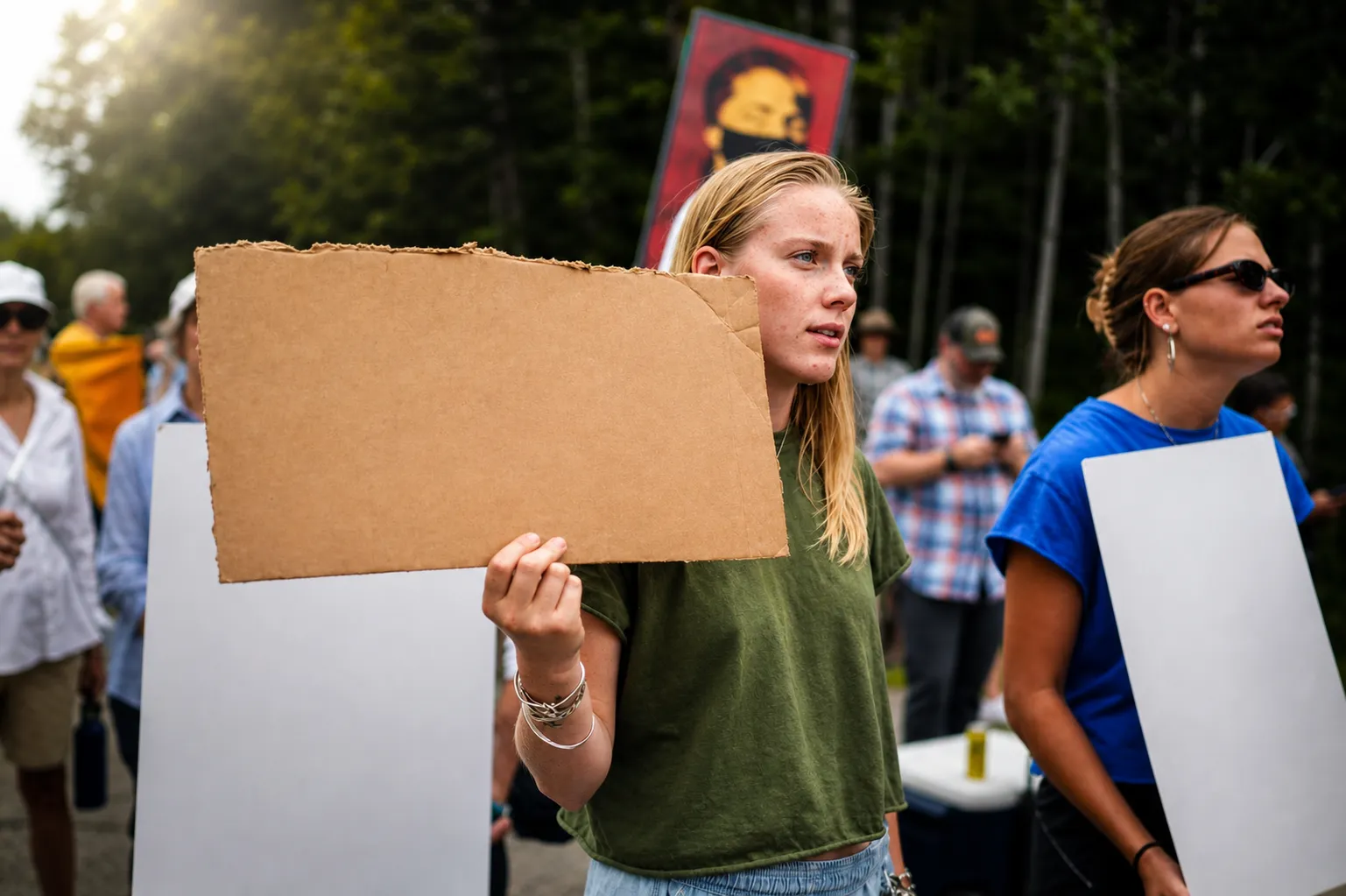
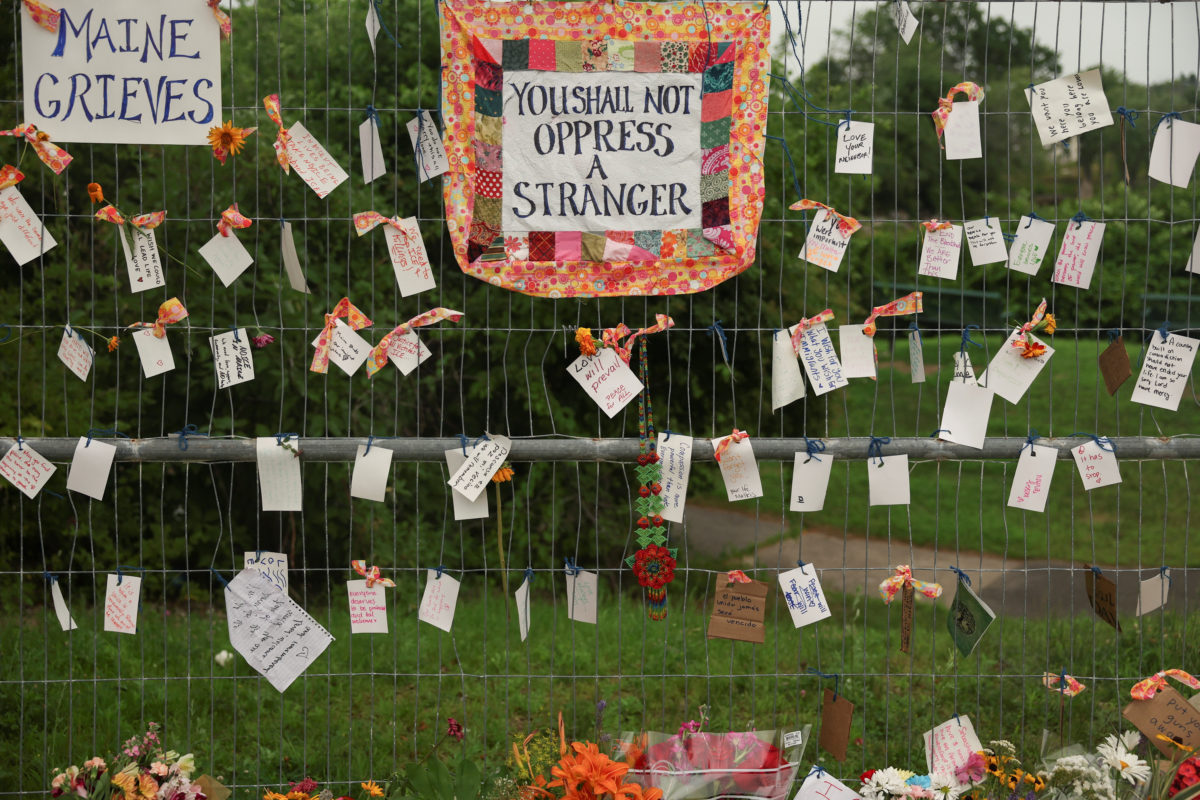
The latest shootings prompted outrage across Maine, where hundreds of protesters gathered outside an ICE detention center in Scarborough. Colombian President Gustavo Petro issued a scathing statement calling the Maine shooting “a targeted killing at the hands of the U.S. Government” and accused ICE officers of treating Durán Guerrero as “an inferior being without rights.” Congressional delegations from both Maine senators demanded comprehensive, transparent investigations into the incidents.
Border Czar Tom Homan characterized the traffic stop pause as temporary, telling reporters and Fox News that it is “not a policy change” but rather “a short pause” to review training protocols and ensure officer safety. Homan claimed vehicle assaults against ICE officers have increased by 3,400 percent and argued that agents have other methods available for making arrests, such as stopping suspects before they enter vehicles or waiting until they reach their destinations. He predicted the pause would be brief, potentially lasting only a couple of weeks.
However, Trump’s Wednesday morning statement directly contradicted the administration’s official policy. In his Truth Social post, Trump called crime rates in America the lowest in decades and referenced his predecessor’s immigration policies before emphasizing that ICE should not abandon traffic stops. The statement created an apparent rift between Trump and his own appointees at the Department of Homeland Security.
The incident highlights tensions within the Trump administration over immigration enforcement tactics. While Trump campaigns on an aggressive mass deportation agenda, the deadly shootings have forced a tactical retreat that conflicts with the president’s publicly stated position. Homan’s repeated assurances that the pause will not reduce deportation numbers suggest administration officials are attempting to balance public safety concerns with Trump’s hardline immigration goals.
Questions persist about both shooting incidents. In Houston, the family of Salgado Araujo has disputed DHS claims, and Congressional Democrats note that preliminary ICE narratives about the Minneapolis shootings in January were later contradicted by video evidence. In Maine, the absence of body camera footage has left investigators and the public without clear documentation of what happened in the final moments before the fatal shooting.
The policy suspension also comes amid broader criticism of ICE training and vetting procedures. Reporting has revealed that ICE slashed its training requirements as the Trump administration pushed to accelerate deportations. The agency also launched an aggressive recruitment drive that resulted in porous vetting, with some candidates advancing through hiring processes despite skipping screening steps. Former ICE officials have acknowledged that a policy reset is needed to regain public trust.
Senator Collins, a Republican running for reelection in Maine, has called for full investigations, body camera requirements for agents, and continued improvement in ICE procedures while stopping short of endorsing calls to abolish the agency. Her position reflects the complex political calculation facing Republicans in the wake of the shootings, as public outcry intensifies while Trump signals his commitment to intensified immigration enforcement.
The contradiction between Trump’s statement and his administration’s policy directive raises questions about the durability of the traffic stop suspension. If Trump maintains public pressure for ICE to resume full enforcement operations, the temporary pause could be reversed before officers receive the additional training that Homan indicated is necessary.