

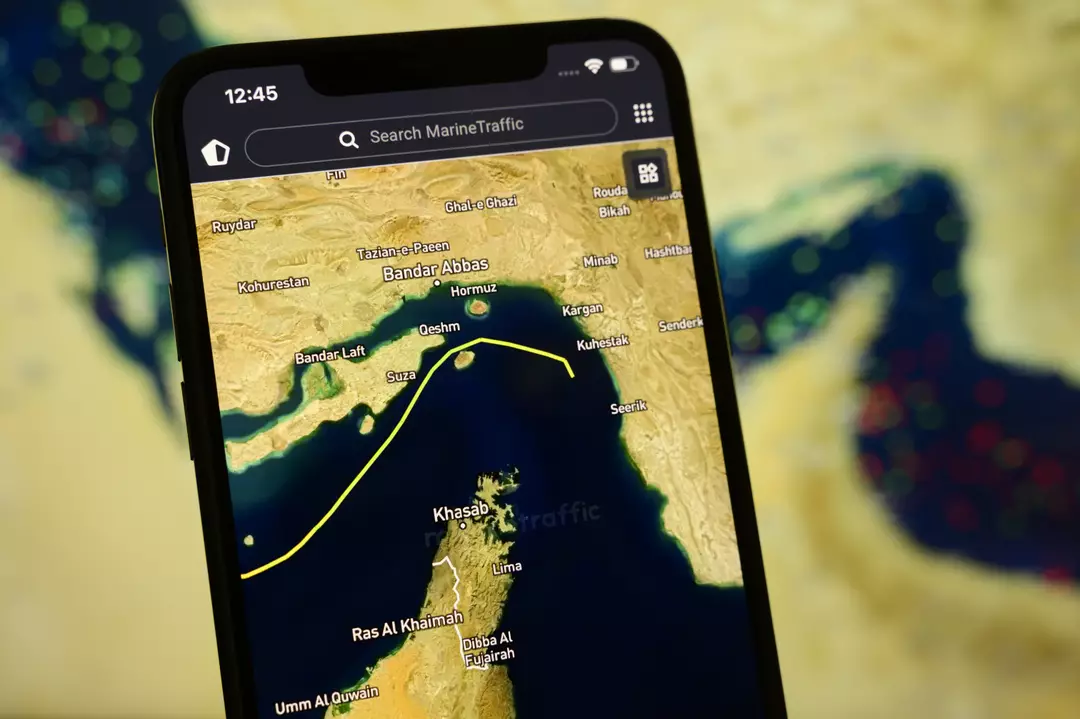
From today, vessels trying to pass through the strategically vital Strait of Hormuz are set to encounter restrictions on multiple fronts, as a US naval blockade is due to take effect within hours amid President Trump’s escalating pressure on Iran.
The move is intended to undercut one of Tehran’s biggest points of leverage: its influence over the corridor that typically carries roughly a fifth of the world’s oil. US officials say the aim is to stop Iran from demanding fees reported to be as high as $2 million in exchange for safe passage.
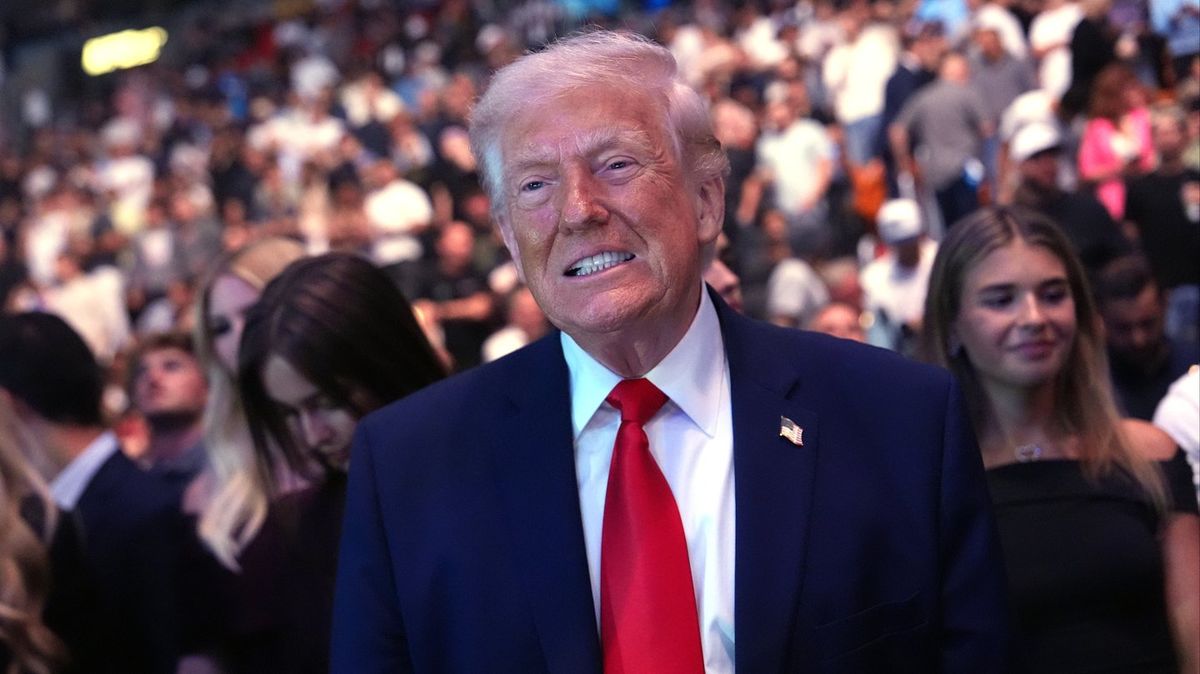
Even though talks broke down without an agreement on Sunday, Trump suggested he believes the US is negotiating from a position of strength when speaking to reporters at Joint Base Andrews in Maryland.
In remarks delivered in front of Air Force One, he claimed Iran’s naval capabilities had been effectively eliminated and said discussions connected to Pakistan had provided further clarity.
“their military is destroyed, their whole navy is underwater. One hundred fifty ships are gone, their navy is gone.”
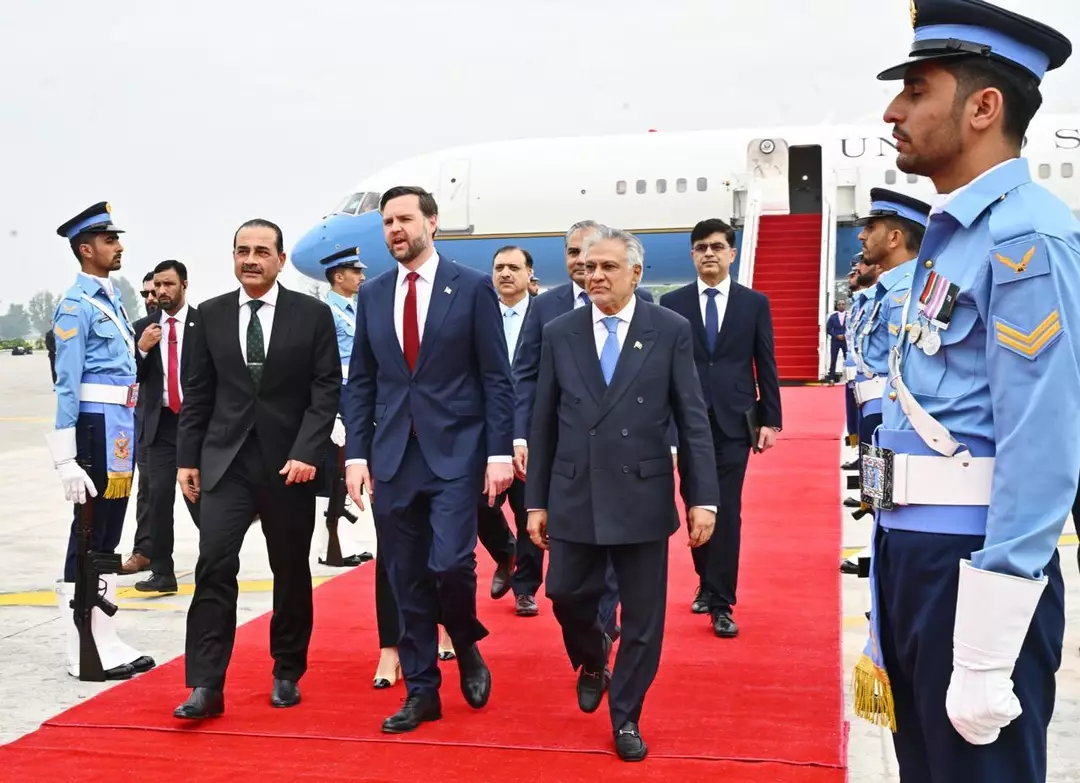
Trump also described Iran as being under severe strain, pointing to an extended meeting he said lasted nearly a full day.
“I think Iran is in very bad shape. I think they’re pretty desperate,” Trump revealed. “We had a meeting that lasted 21 hours. We understand the situation better than anybody, and Iran’s in very bad shape.”
He went on to say the naval operation in the Persian Gulf would be highly effective, adding that commercial ships would be prevented from entering Iran’s ports starting at 10am ET today (April 13).
US Central Command (CENTCOM), which oversees American military operations in the region, echoed that timeline and said implementation would begin this morning under the president’s proclamation.
CENTCOM added: “The blockade will be enforced impartially against vessels of all nations entering or departing Iranian ports and coastal areas, including all Iranian ports on the Arabian Gulf and Gulf of Oman. CENTCOM forces will not impede freedom of navigation for vessels transiting the Strait of Hormuz to and from non-Iranian ports.”
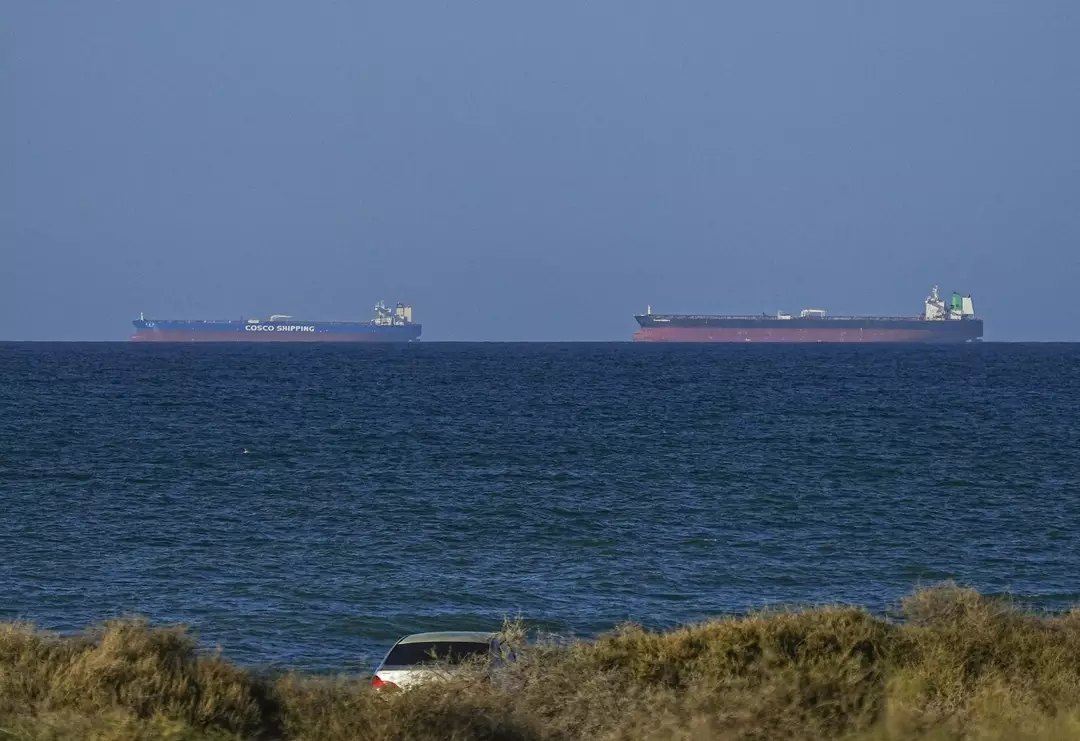
However, even if both sides eventually lift their restrictions in and around the Strait of Hormuz, shipping firms may still face a serious hazard when attempting to use the narrow passage.
That’s due to mines believed to be positioned just beneath the surface, creating a lingering danger that could deter commercial operators even after fighting stops.
Trump said that, alongside the blockade, mine-clearing efforts were already underway to remove the threat. He later said that the UK and other countries would contribute minesweeping assets.
Even so, while some European states that rely heavily on the waterway for energy supplies are prepared to help clear mines, none are expected to take part in the US’s reciprocal blockade.
A British government spokesperson emphasized the importance of keeping the route open, warning of wider economic consequences and reiterating opposition to any “tolling” system.
“We continue to support freedom of navigation and the opening of the Strait of Hormuz, which is urgently needed to support the global economy and the cost of living back home.
“The Strait of Hormuz must not be subject to tolling. We are urgently working with France and other partners to put together a wide coalition to protect freedom of navigation.”
Meanwhile, Iranian hardliners who view control of the strait as both leverage and a revenue source signaled they are not backing down.
“America, just as it suffered a historic defeat against Iran in failing to open the Strait of Hormuz, is also doomed to failure in its maritime blockade,” Mohsen Rezaee, a senior adviser to the Ayatollah wrote on X.
“Iran’s armed forces will not grant America such permission and possess major untapped levers for countering it. Iran is not a place to be blockaded with tweets and fanciful schemes!”