

President Donald Trump announced Monday that aircraft manufacturer Sikorsky will fund construction of a new helipad on the White House South Lawn, explaining that the more powerful next-generation Marine One helicopters can damage the lawn during landings.
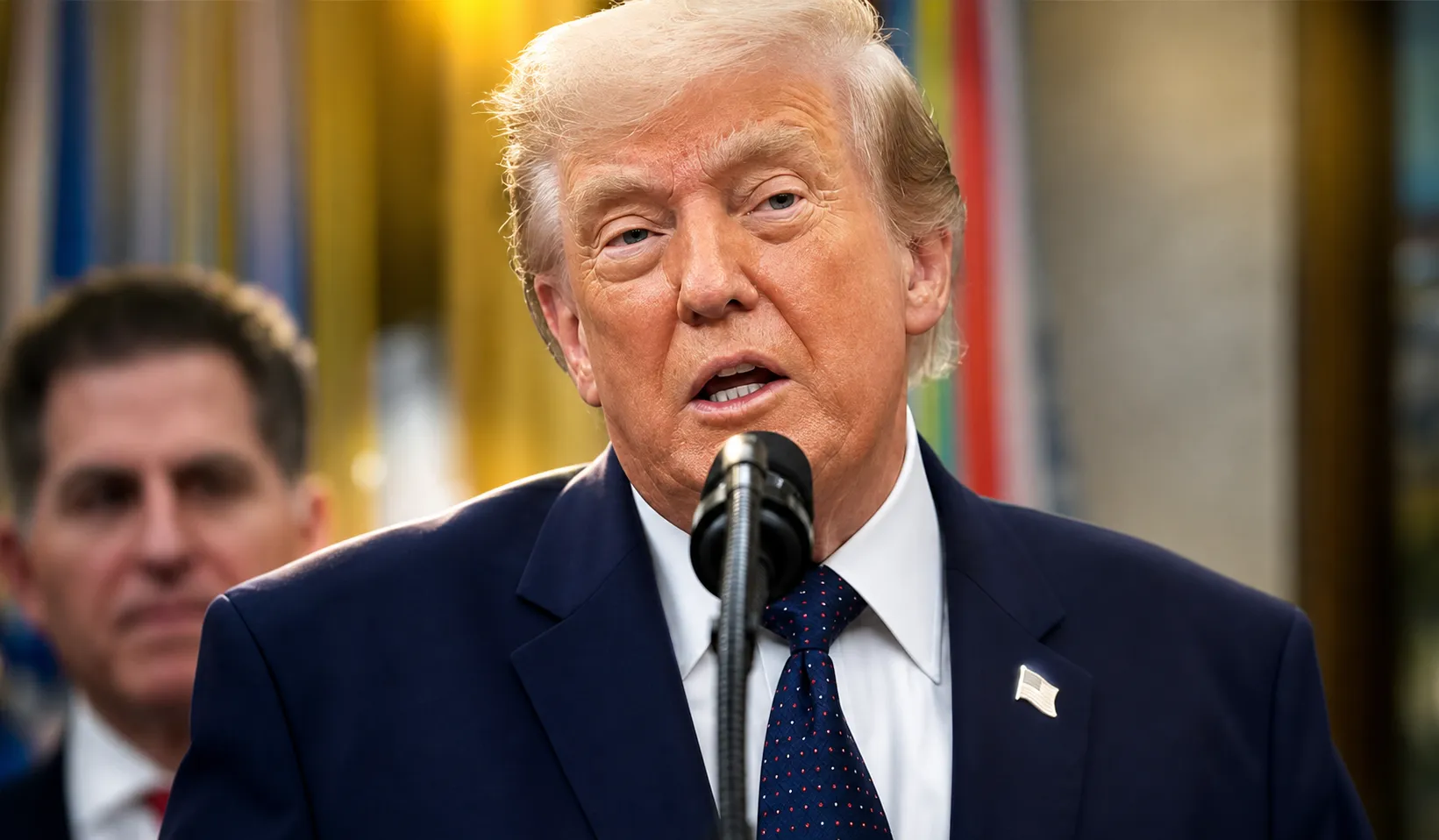
“They didn’t tell us how powerful these helicopters were and they felt a little bit guilty,” Trump told reporters in the Oval Office, referring to Sikorsky, a subsidiary of Lockheed Martin. The president said the cost of the project will be approximately $5 million to $6 million.
Trump’s announcement confirmed a project that had been under construction since late June with little public notice. Work crews quietly began assembling the helipad near the South Portico, the traditional landing site for Marine One, after equipment and fencing appeared overnight on the South Lawn. The project had been under consideration for months but was not officially announced until Trump spoke about it Monday.
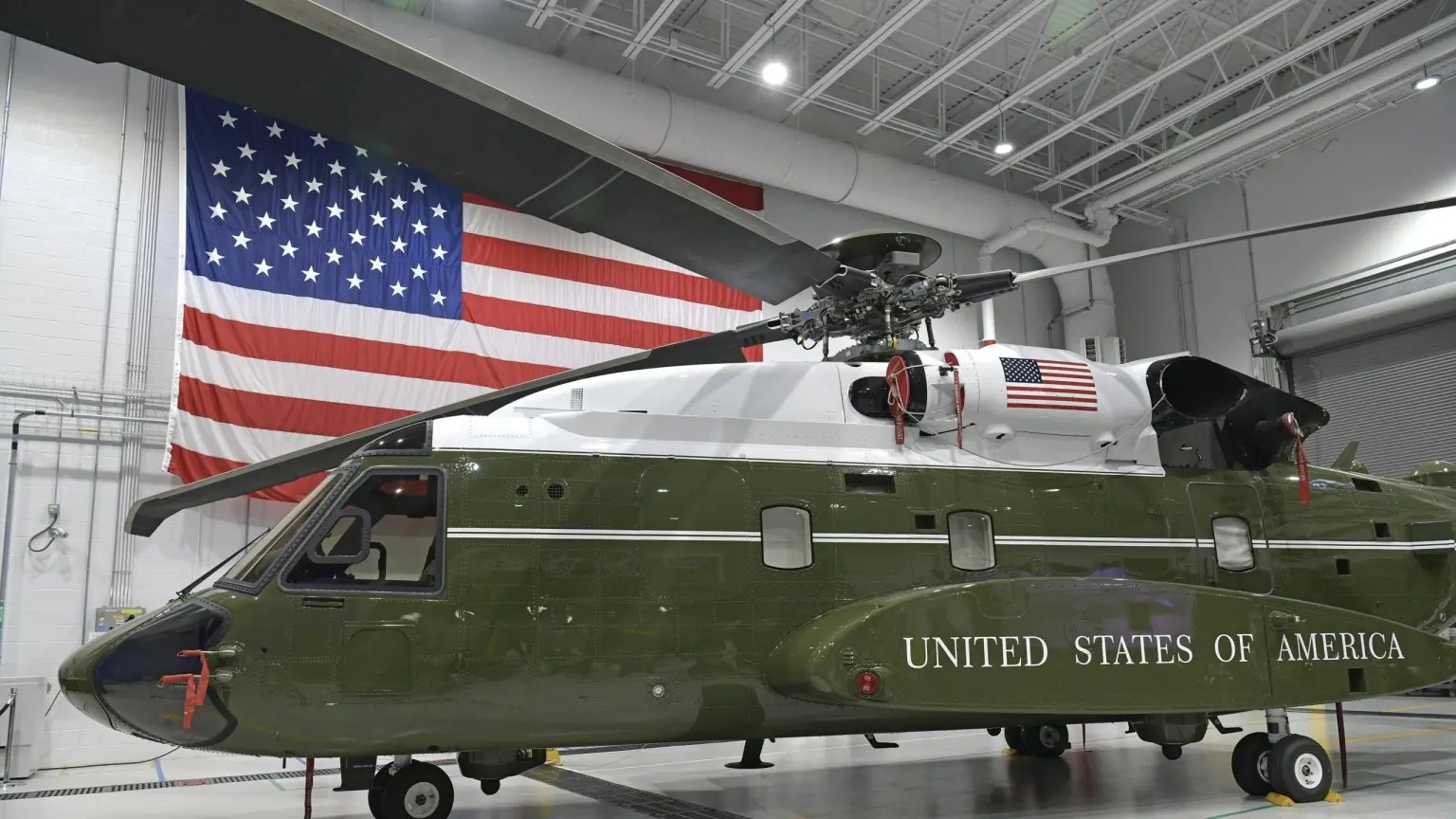
The helipad addresses a long-standing technical problem with the VH-92A Patriot, the new presidential helicopter that is part of a $5 billion fleet designed to replace aging Marine One aircraft. The VH-92A is significantly more powerful than the helicopters it will replace, producing about two and a half times more power than the older VH-3D Sea Kings currently in primary use. This increased power creates a critical drawback: the helicopter’s exhaust vents direct heat downward with such force that when the aircraft lands on grass, it scorches and tears up the turf.
“They’re about two and a half times more powerful than the old ones and when you land on the grass, the grass gets ripped out,” Trump said. “So they landed the helicopter and half of the grass was sitting in front of the Oval Office. The rest of it was scattered all over.”
The lawn-scorching issue was first identified in 2018 during testing at the White House, according to the Government Accountability Office. Various administrations and military officials had previously considered building a permanent helipad on the White House grounds but rejected the idea, concerned that it would alter the iconic image of presidents boarding helicopters on the grass. That traditional scene, repeated for decades across multiple administrations, has been a defining symbol of American presidential power.
Despite the long-standing nature of the problem, Trump acted decisively once he learned about the damage. According to Trump, after discovering that Sikorsky was willing to fund the project, he decided to make it something special. “When I heard they were paying the cost, I went out and said, ‘Let’s do a beauty. Let’s not just do a piece of concrete and paint it white,'” Trump said. He specified that the helipad will be made of granite and will feature a carved seal of the White House with an eagle.
The new Marine One helicopter’s development has spanned more than two decades, beginning with planning after the September 11 attacks. The VH-92A, a militarized variant of Sikorsky’s commercial S-92 helicopter, finally made its operational debut in August 2024 when President Joe Biden took the first presidential flight in the aircraft from Chicago to the Democratic National Convention. However, operational deployment has been limited due to the exhaust damage issue and previous communication system problems.
The Marine Corps received the final of 23 VH-92As in its presidential fleet nearly two years ago at a cost of approximately $215 million per aircraft. The aircraft offer significant improvements over the aging fleet it replaces, including enhanced range, payload capacity, and advanced security features. However, the exhaust challenge has prevented full operational use at the White House.
Lockheed Martin confirmed that the contribution falls within the $5 million to $6 million range Trump cited. The company stated that the contribution “was made to the Trust for the National Mall, the National Park Service’s non-profit organization.” This arrangement raised some questions, as past administrations and the National Park Service had considered similar solutions but decided against them due to aesthetic and historical concerns.
The helipad project is Trump’s latest addition to a series of extensive renovations at the White House during his second term. Earlier initiatives have included demolishing the East Wing to construct a massive new ballroom, paving over the Rose Garden and replacing it with a stone patio, gilding portions of the Oval Office, and hosting a UFC event on the South Lawn. Trump has also overseen renovations to iconic Washington landmarks including the Lincoln Memorial Reflecting Pool and the Kennedy Center.
Trump has repeatedly emphasized his role in reshaping Washington’s most important buildings and monuments. During comments about the helipad, he expressed satisfaction with solving a technical problem that had eluded previous administrations. “The hardest thing to get is a helipad,” Trump said. “There’s no harder zoning thing to get, and I had like seven of them.”
The helipad, located near the South Portico where presidents traditionally pose for photographs before boarding Marine One, is expected to enable full operational deployment of the VH-92A at the White House. Once complete, it will provide a permanent landing solution for the new fleet while preserving some of the iconic South Lawn from damage caused by the helicopter’s powerful exhaust systems.