

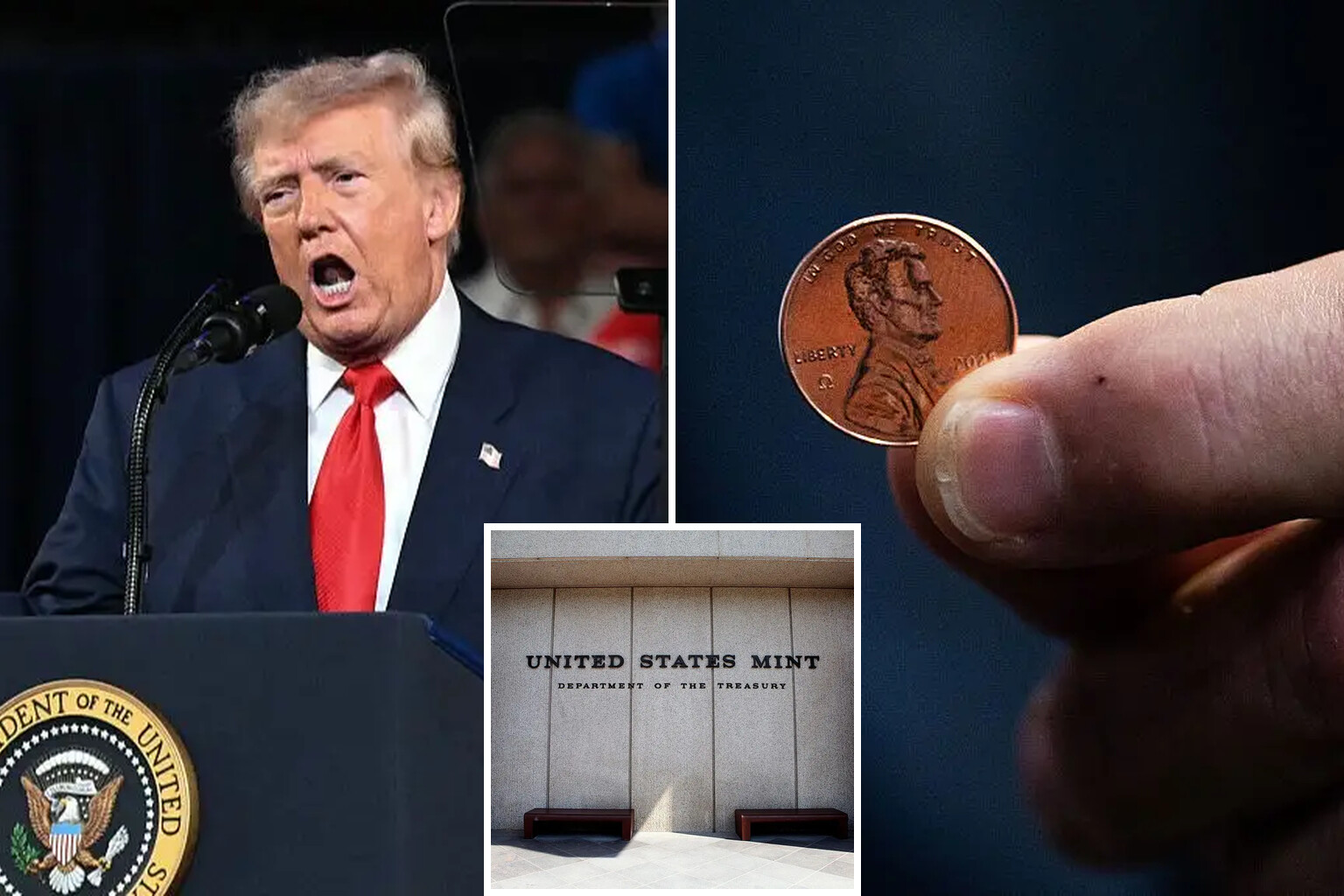
Donald Trump is poised to sign legislation that would permanently end U.S. Penny production after more than two centuries of continuous minting.
The Common Cents Act passed the Senate unanimously this week, teeing up the president to codify into law an executive action he first took last May. Trump, 78, had then ordered the U.S. Mint to halt penny manufacturing through a directive to his Treasury Secretary, framing the move as a cost-cutting measure for a coin he declared wasteful.
Trump laid out his reasoning in a Truth Social post last year. “For far too long, the United States has minted pennies, which literally cost us more than 2 cents,” he wrote. “This is so wasteful! I have instructed my Secretary of the U.S. Treasury to stop producing new pennies. Let’s rip the waste out of our great nation’s budget, even if it’s a penny at a time.”
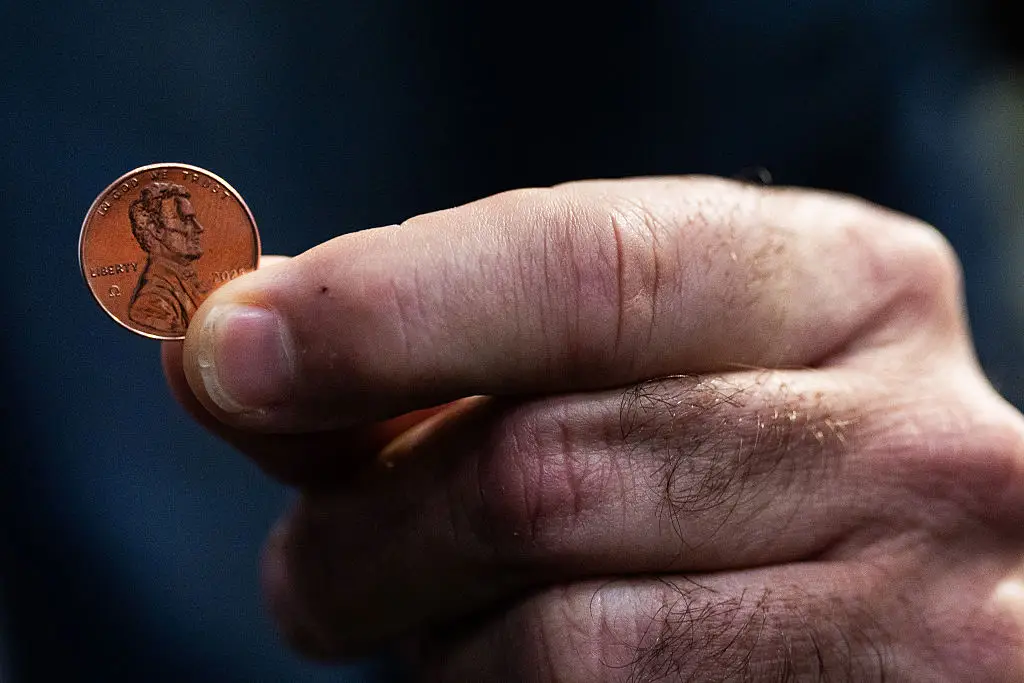
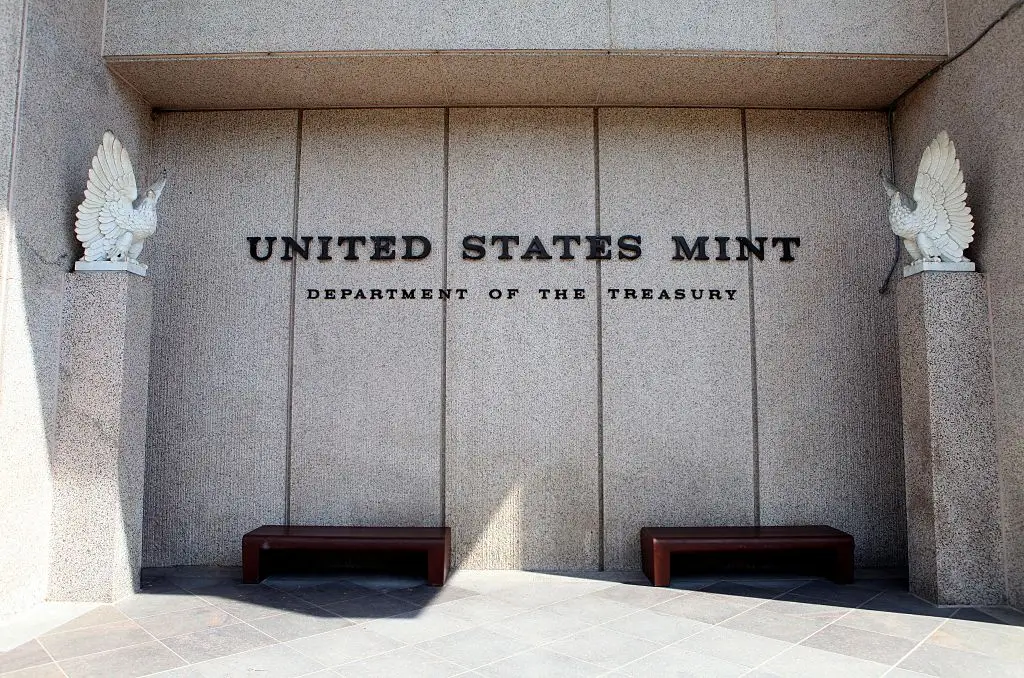
The math behind Trump’s frustration has long been documented. Each one-cent coin costs 3.7 cents to produce, meaning the government loses money on every penny it mints. The Coinage Act of 1792 established the nation’s first Mint in Philadelphia and introduced the U.S. Dollar alongside the framework for America’s monetary system, making the penny one of the longest-standing forms of domestic currency. That 232-year manufacturing run drew to a close last November 12, when the final penny for general circulation rolled off the production line.
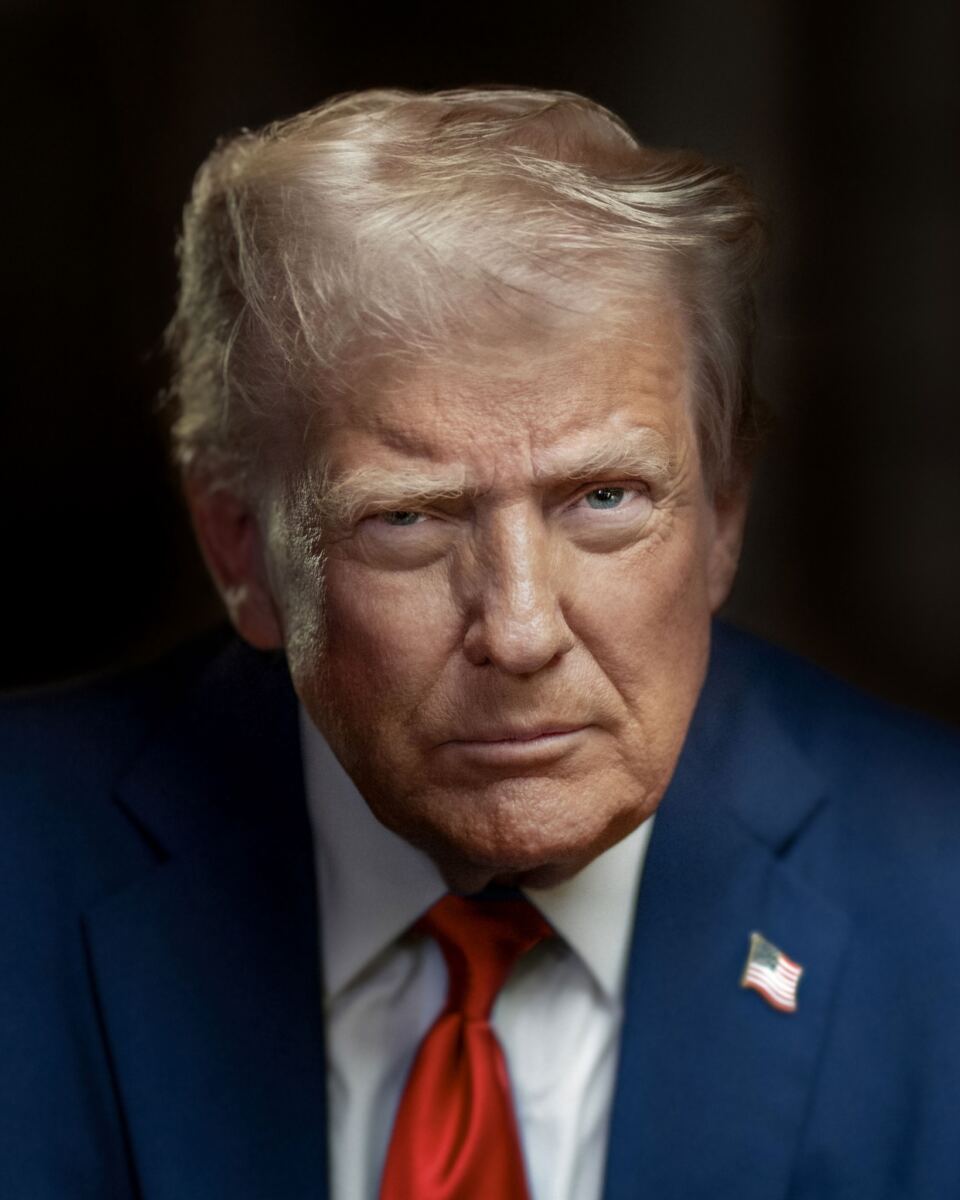
Kristie McNally, the acting Mint Director, marked the occasion with a statement that nodded to the coin’s historical weight. “While general production concludes today, the penny’s legacy lives on,” she said. “As its usage in commerce continues to evolve, its significance in America’s story will endure.”
The transition away from the penny carries practical complications for everyday commerce. An estimated 300 billion pennies remain in circulation and will continue to function as legal tender, but retailers face the prospect of implementing rounding policies at the cash register. Nineteen states have already passed cash-rounding laws to address the phase-out, adopting symmetrical rounding rules that round totals down when ending in 1, 2, 6, or 7 cents and up when ending in 3, 4, 8, or 9 cents. That regulatory patchwork has drawn criticism from some customers, and the shifting demand has reportedly driven up the value of nickels as the five-cent coin assumes greater prominence in physical transactions.
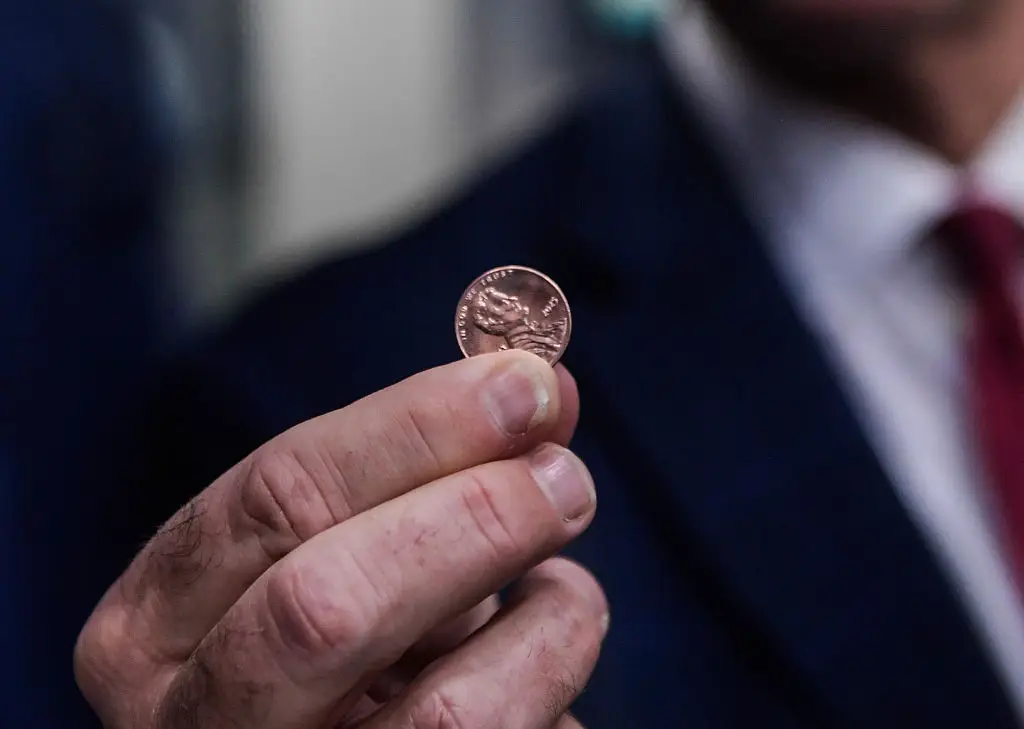
The U.S. Mint has pointed to a convergence of factors in the penny’s demise beyond raw production costs. Changing consumer habits, broader economic pressures, and the persistent gap between manufacturing expenses and face value all contributed to the decision to discontinue the coin. For more than two centuries, the penny occupied a familiar place in everyday American transactions, from cash purchases to charity jars to the phrase “a penny for your thoughts.” Its elimination marks a structural shift in how the country handles its smallest denominations of physical currency, even as digital payment methods already handle an increasing share of commerce.
The legislation now awaits Trump’s signature to make the production halt permanent, cementing the end of a coin that has outlasted nearly every other fixture of American economic life since the nation’s founding.