

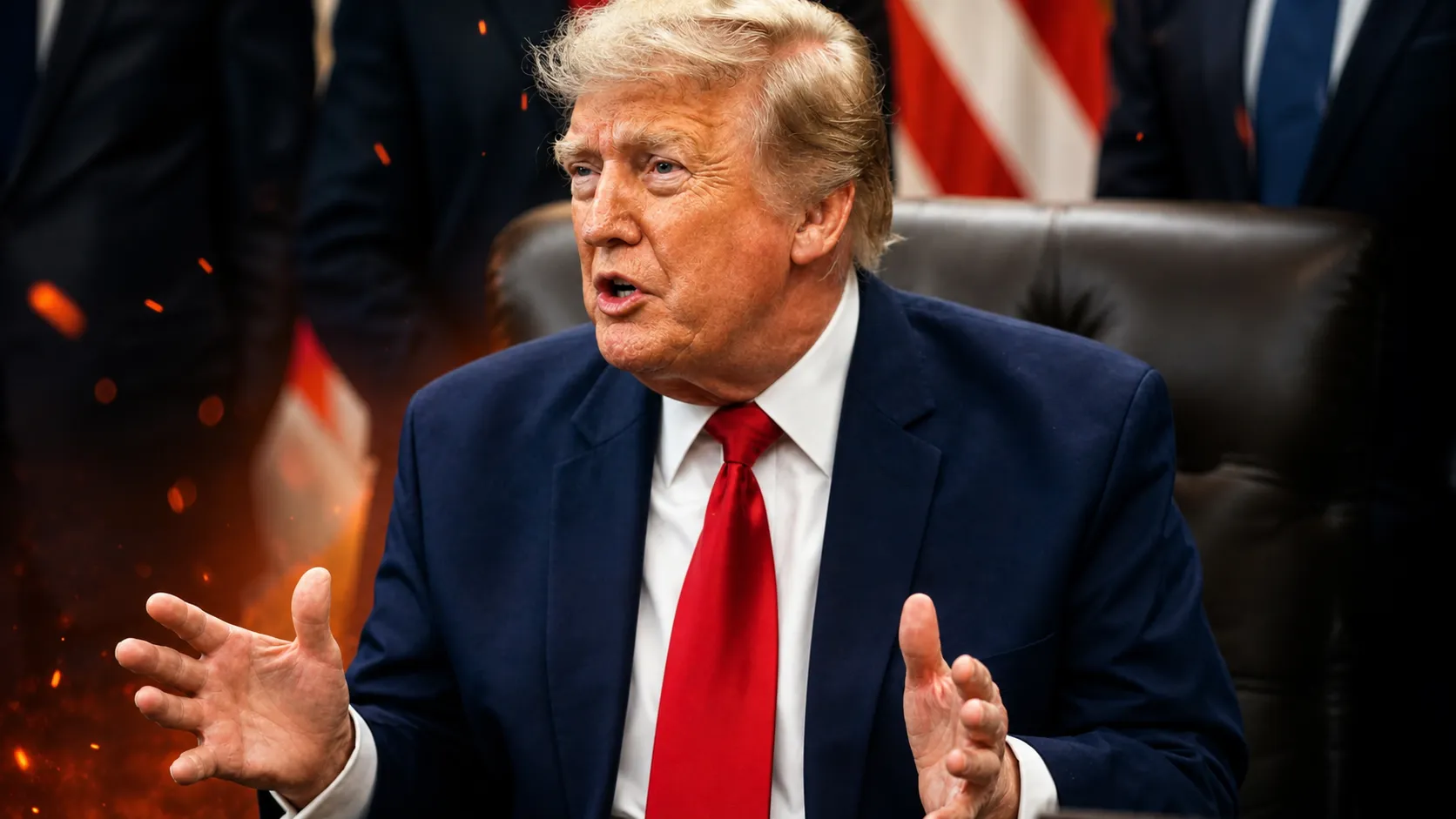
President Donald Trump imposed 50 percent tariffs on most Canadian goods Monday, declaring that Canada has unfairly discriminated against American automobiles, alcohol and dairy products. The administration invoked an obscure provision of Depression-era trade law to impose what administration officials characterized as defensive measures in response to Canadian retaliation against earlier U.S. Tariffs.
Trump signed three separate proclamations under Section 338 of the Tariff Act of 1930 to impose the levies on different categories of Canadian imports. The tariffs are set to take effect in 30 days, covering approximately $20 billion in annual Canadian goods. They represent among the steepest tariffs his administration has levied against any country and mark a dramatic escalation in trade tensions between two nations whose economies are deeply integrated.
The administration cited several grievances against Canada. Most of the Canadian provinces—all but two—have halted the purchase, distribution and retailing of American alcoholic beverages in retaliation for Trump’s tariff threats and his repeated suggestions that Canada become the “51st state.” U.S. Trade Representative Jamieson Greer said Canadian imports of American alcoholic beverages fell 81 percent from March 2025 through February 2026 compared to the same period the previous year.
Canada also maintained a 25 percent tariff on U.S. Motor vehicles that do not qualify for preferential treatment under the existing free trade agreement, Trump said in his automotive proclamation. And regarding dairy, the White House claimed Canada enforced restrictive quotas on American cheese that are far more burdensome than those applied to European Union imports, despite having trade agreements with both countries.
The tariffs will apply to products ranging from wine and hockey sticks to cement and electrical equipment. Critically, the new duties will apply even to goods covered under the U.S.-Mexico-Canada Agreement, or USMCA, a departure from Trump’s previous tariff actions that had generally exempted goods protected by the trade pact. Energy products, potash, fish and certain critical minerals will be excluded from the tariffs.
The move represents a significant departure from previous Trump tariff authorities. In February, the Supreme Court struck down his attempt to use the International Emergency Economic Powers Act to impose sweeping tariffs globally, forcing the administration to search for alternative legal tools. Section 338, a provision from the Smoot-Hawley Act of 1930 that has not been used in this manner for decades, allows the president to impose duties of up to 50 percent on countries found to discriminate against U.S. Commerce.
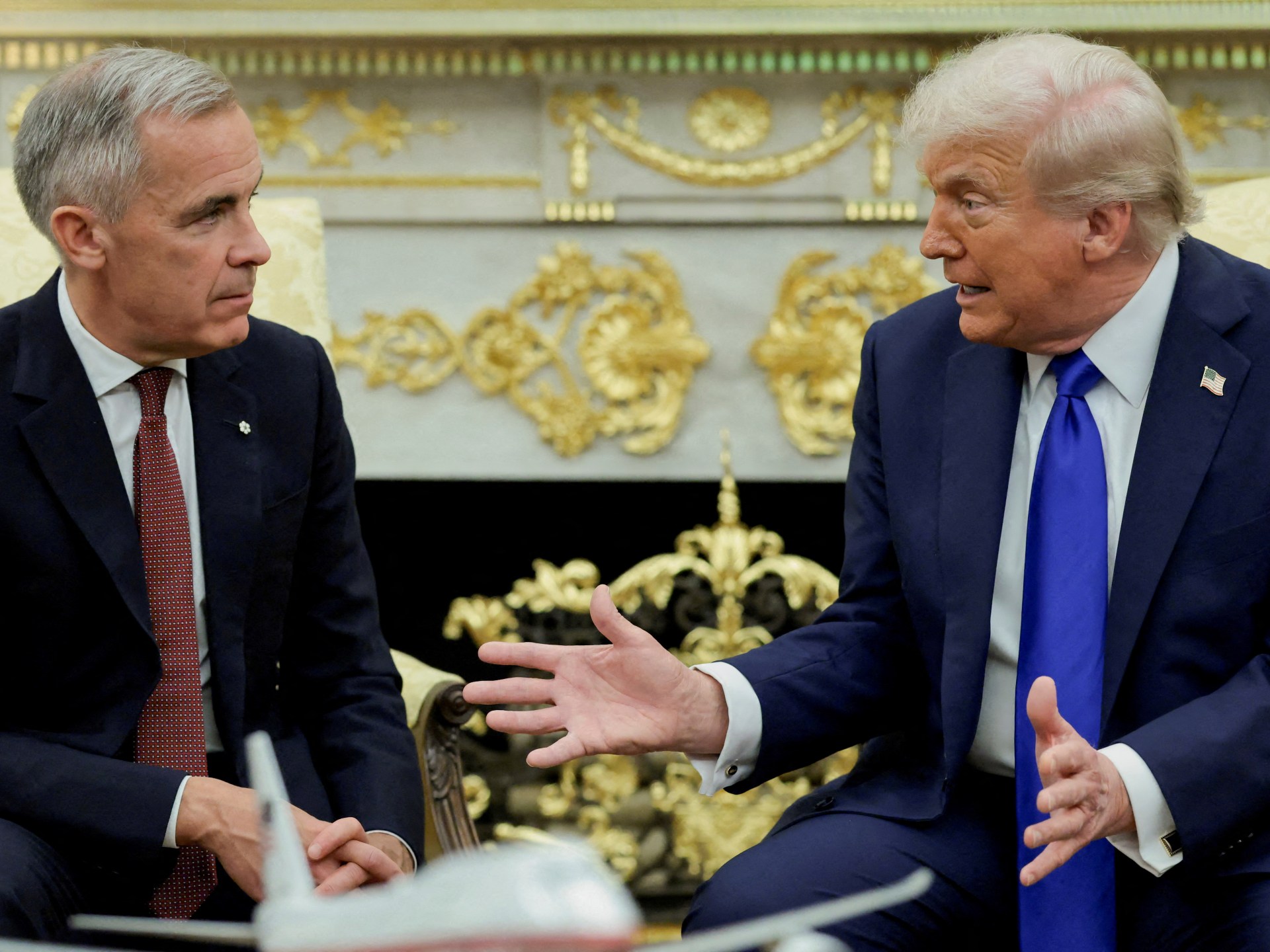
Canadian Prime Minister Mark Carney called the tariffs “a direct violation” of the USMCA and pledged that Canada would “work relentlessly and take any measures necessary” to address the situation. Carney noted that the trade dispute had already raised costs for families, particularly in the United States, and said Canada stood ready to engage in intensive negotiations.
Ontario Premier Doug Ford took a more confrontational stance, posting on social media that “Canada should respond tariff for tariff, dollar for dollar” if the tariffs proceed. Ford has previously pledged to keep American liquor off Ontario shelves until the USMCA is renewed.
Business organizations on both sides of the border expressed concern about the escalation. The Canadian Chamber of Commerce called the move “regrettable” but urged both countries to use the 30-day window before the tariffs take effect to make meaningful progress on formal trade negotiations. Candace Laing, the chamber’s president and CEO, said the two sides have substantive discussions underway but are not currently in formal negotiations.
The administration acknowledged the contentious history. Senior officials noted that Canada was one of only two countries—the other being China—to retaliate against Trump’s tariffs rather than negotiate a deal. They described the new tariffs as necessary to hold Canada accountable and level the playing field for crucial American exports.
The move comes at a moment of heightened U.S.-Canada tensions. Trump met with Carney at the FIFA World Cup final in New Jersey on Sunday, and the two leaders discussed the tariff situation, though administration officials characterized their time together as not a formal working meeting focused on trade. Just days before announcing these tariffs, Trump had threatened Canada with additional duties over wildfire smoke drifting into American airspace, though officials indicated the current tariffs are unrelated to that threat.
The timing also follows the Trump administration’s decision earlier in July not to renew the USMCA, instead triggering annual reviews that could continue for up to a decade before the agreement expires unless an extension is negotiated. That decision already created significant uncertainty about the future of North American trade rules.
The tariffs could risk further escalation of what some economists worry could become a broader trade war. The two nations are tightly woven together economically, with more than $300 billion in goods flowing across their shared border in the first five months of 2026 alone. Canada is the second-largest trading partner for the United States after Mexico.
According to one analysis, the new tariffs would affect only about 5 percent of Canadian imports overall, or roughly 0.6 percent of total U.S. Imports. However, Trump has not always followed through on announced tariff increases, and the 30-day window provides time for potential negotiations before the duties take effect. Still, if Trump proceeds as announced, the tariffs could trigger Canadian retaliation and deepen economic friction between the countries at a time when both economies face pressure.