

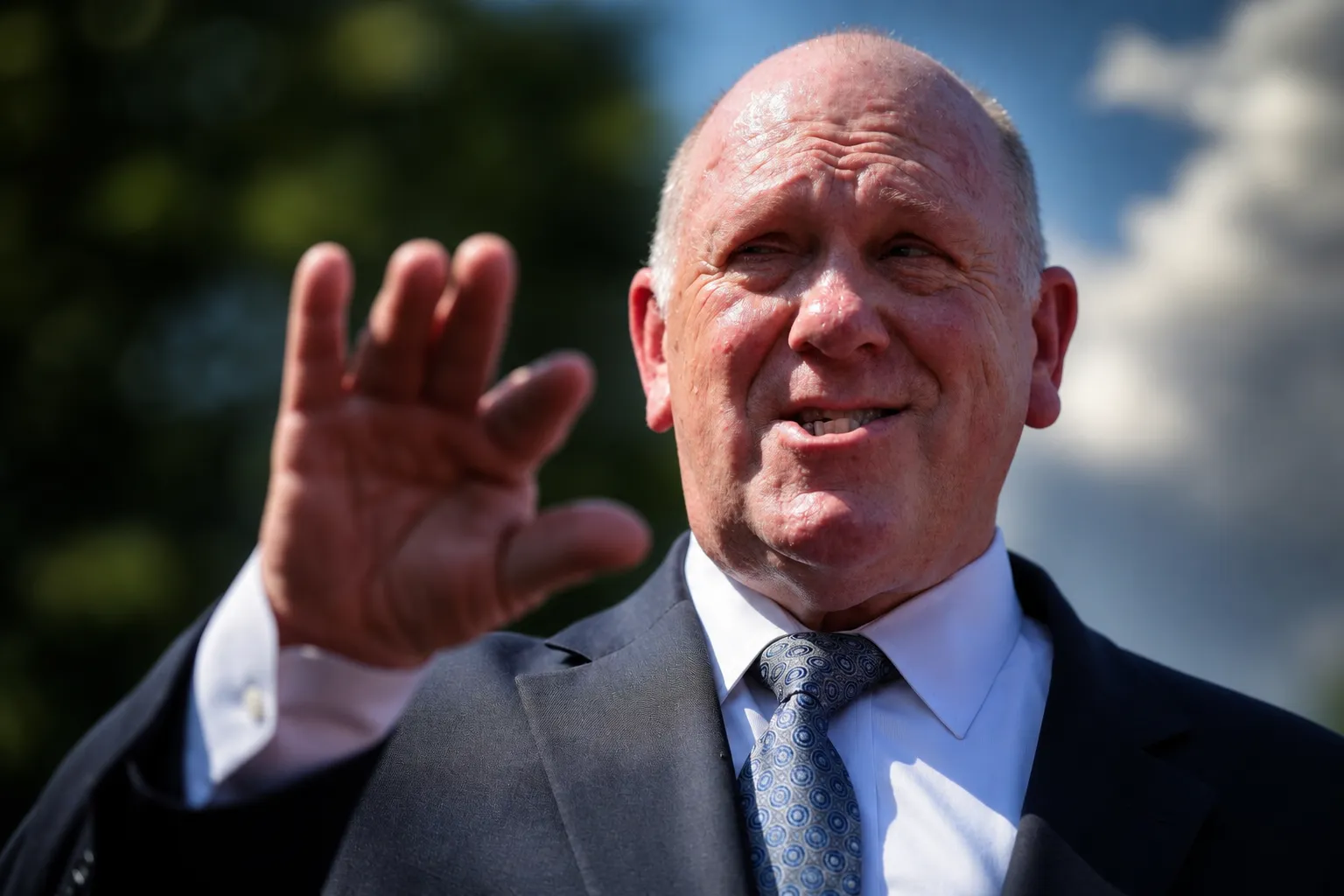
White House border czar Tom Homan said Sunday that Immigration and Customs Enforcement’s vetting process was under internal review following revelations that the ICE officer who fatally shot a 25-year-old Colombian immigrant in Maine had been accused of domestic violence by multiple women. The announcement came during an appearance on CNN’s State of the Union program.
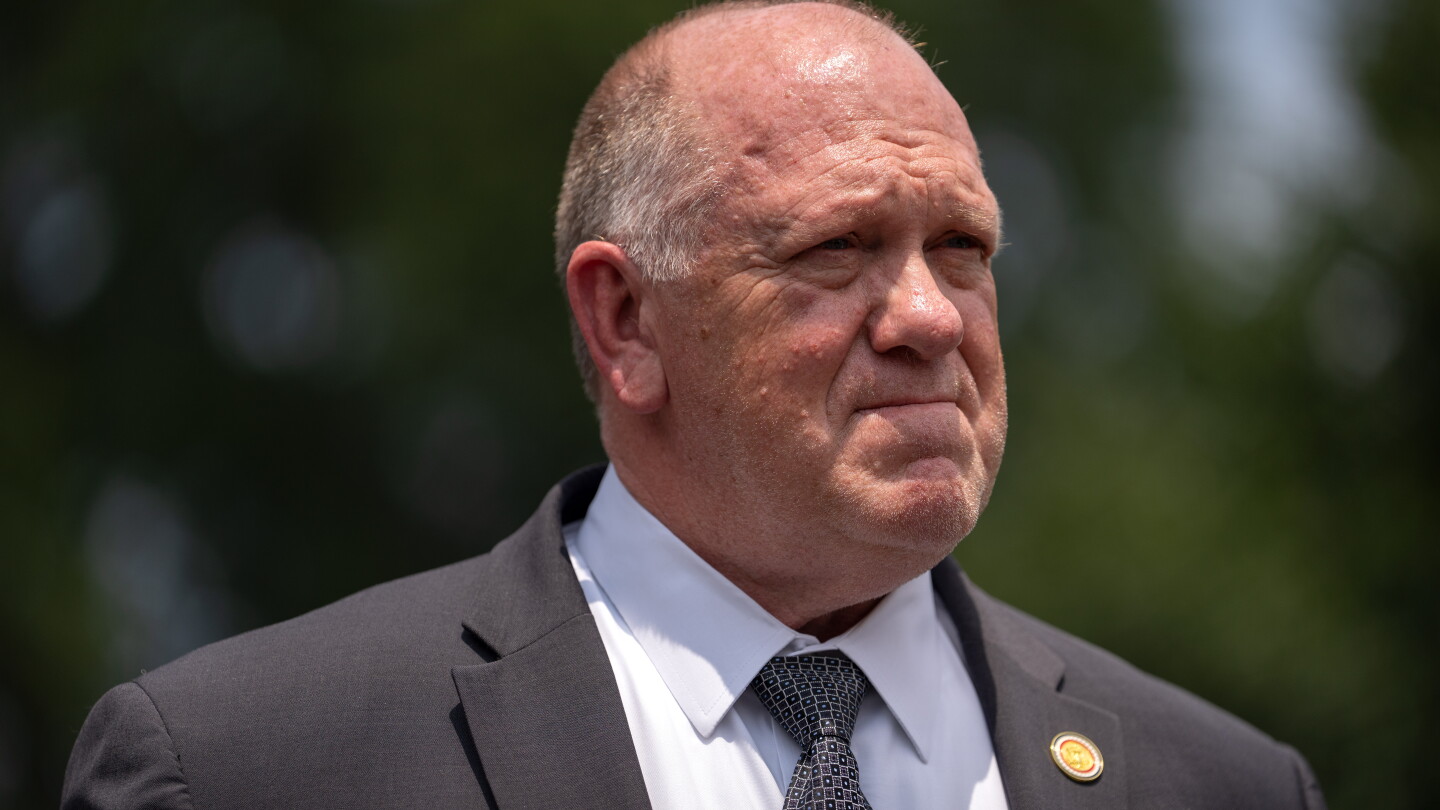
The officer involved in the deadly July 13 shooting in Biddeford, Maine, was identified by relatives as David Brouillette. Court documents and public accounts revealed he had been accused of abuse by two ex-wives, and a judge had ordered him to surrender any firearms in his possession. Brouillette’s ex-wives have detailed years of physical and verbal abuse, including one incident in which he allegedly threw boiling water at a woman while she was holding their young daughter. One ex-wife also said he left a voicemail suggesting women in her family should have their throats cut.
When asked about the domestic violence allegations, Homan acknowledged serious concerns. “If those are facts, I don’t think he should ever have cleared vetting,” Homan said on the program. “How did the vetting process fail? Was that information not available?”
Homan said ICE’s internal affairs division would investigate whether information about Brouillette’s background was available during the hiring process and whether warning signs were missed. He noted that if the officer had the type of history described in allegations, “it would have been a vetting issue, and it should have been brought to the attention of those who make those decisions.”
The Maine shooting occurred on July 13 when ICE agents attempted to stop a vehicle during an immigration enforcement operation in Biddeford. Federal authorities said the driver attempted to flee, leading an officer to fire his weapon. The man killed was identified as Johan Sebastián Durán Guerrero, a 25-year-old Colombian national. According to Maine Senator Angus King, Durán Guerrero was not the target of the operation and had been authorized to work in the United States.
The Maine incident came less than a week after another fatal ICE shooting in Houston. On July 7, an ICE officer shot and killed Lorenzo Salgado Araujo, a 52-year-old Mexican national who was driving a construction crew van. ICE claimed he attempted to use the vehicle as a weapon, but his family and civil rights groups have disputed that account.
Neither officer in the Maine or Houston shootings was wearing a body camera at the time of the incidents. The lack of video documentation has intensified calls from lawmakers and advocacy groups for greater accountability and transparency.
In response to the shootings, Homeland Security Secretary Markwayne Mullin temporarily paused most ICE vehicle stops to allow for a review of training and enforcement procedures. However, President Donald Trump reversed that pause the following day, directing ICE to resume traffic stops and praising them as among the agency’s “most important and effective Crime Fighting tools.”
Homan characterized the vetting and training reviews as routine procedures. He noted that law enforcement agencies regularly examine their training operations and that ICE would evaluate “some additional training” as part of the review process. He also said that officers involved in the shootings were typically placed on administrative leave pending investigations, though he said he did not know the specific status of the officers in the Maine and Texas incidents.
The questions about Brouillette’s hiring come as ICE has undergone a massive expansion under Trump’s mass deportation agenda. Starting in summer 2025, the administration implemented an accelerated training and hiring spree to expand ICE ranks. Reports have raised concerns that the rapid expansion may have compromised the agency’s vetting standards.
Brouillette previously worked for the Department of Veterans Affairs since 2017 before becoming a newly sworn-in ICE officer at the time of the Maine shooting. He served in the Maine National Guard from 2007 to 2010 and in the U.S. Army from 2010 to 2015.
The Maine shooting victim’s death has sparked significant backlash. Advocacy groups confirmed that Durán Guerrero was headed to work at the time of the shooting and had been authorized to work in the U.S. with a Social Security number. Large protests erupted in Maine and across the country following both shootings.
Homan said that ICE employs approximately 30,000 personnel who all undergo pre-employment vetting. While defending the broader agency screening program, he acknowledged that the specific case of Brouillette raised serious questions about how the process functioned.
The vetting review marks one of the few tangible responses the Trump administration has made following the shootings. The incident has reignited debate over how the administration balances its aggressive immigration enforcement agenda with growing public pressure to prevent fatal encounters with ICE agents.