

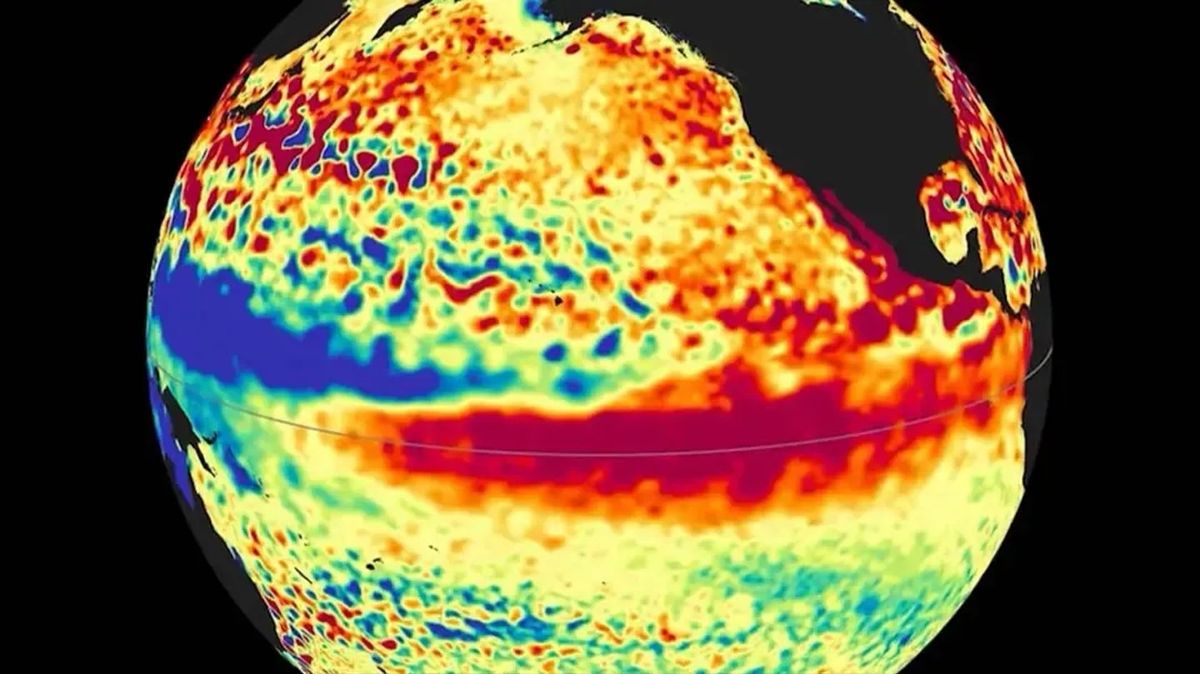
The Trump administration is preparing to scale back and ultimately retire a major ocean-observation network that scientists say is essential for anticipating extreme weather — and researchers warn the fallout would reach well beyond academia.
The Ocean Observatories Initiative (OOI), overseen by the US National Science Foundation, is an extensive system of seafloor instruments, underwater gliders, and moored surface stations. Together, these platforms stream ocean measurements used by scientists, government agencies, and maritime operators around the world.
But proposals to decommission the network have triggered alarm among researchers in the US and Europe, who argue the change would “severely degrade” the reliability of weather outlooks and El Niño projections, with major economic consequences, including for the United States. The concern is heightened by the timing.
Forecasting centers have already identified this year as a strong candidate for El Niño conditions, raising the risk of intensified weather extremes. Scientists say losing key ocean data now could undermine early warnings at the very moment they are most needed.
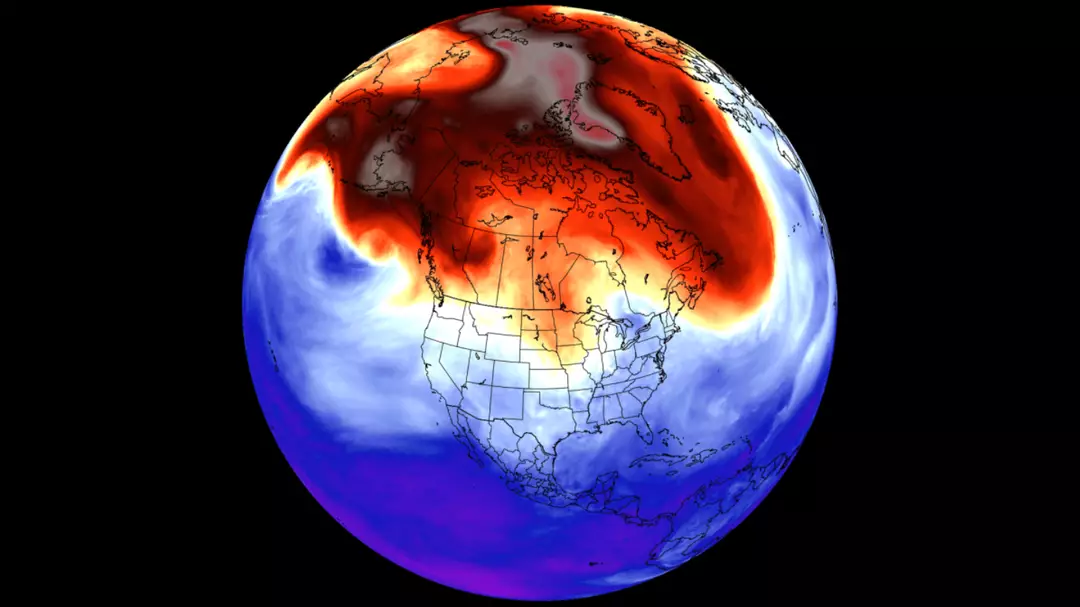
A study published last month in Nature Climate Change quantified how large the impact could be. It concluded that removing US ocean observations by themselves would drive a 163% rise in error for annual ocean heating rates — a foundational metric for weather prediction, El Niño forecasting, and decisions in areas like fisheries management.
Importantly, the researchers found that losing US-supported monitoring would be more damaging than randomly losing 80% of global ocean data, because American observing assets cover all ocean basins and fill high-value gaps that other countries do not currently cover.
Sabrina Speich, a global ocean monitoring specialist at the École Normale Supérieure in Paris and a co-author of the study, said the implications are profound.
Speaking about the findings, she said: “Ocean heat content is the most robust indicator of climate change we have, not just of what is happening in the ocean, but of the entire climate system. Lose them, and you lose your ability to track not just ocean warming but the climate system as a whole.”
She added: “Forecasts would continue, but they would degrade, sometimes dangerously so. The consequences would not stop at science: the economic costs would be felt within the United States itself, from agriculture to insurance to disaster response.”
The real-world effects, researchers argue, would be immediate and practical.
Across the US and South America, growers use El Niño outlooks to guide planting choices and timing; expectations of drought versus heavy rainfall shape major farm decisions months ahead.
The last El Niño event, spanning 2023–2024, ranked among the five strongest ever recorded and was a significant factor in the sharp global temperature surge seen in 2024.
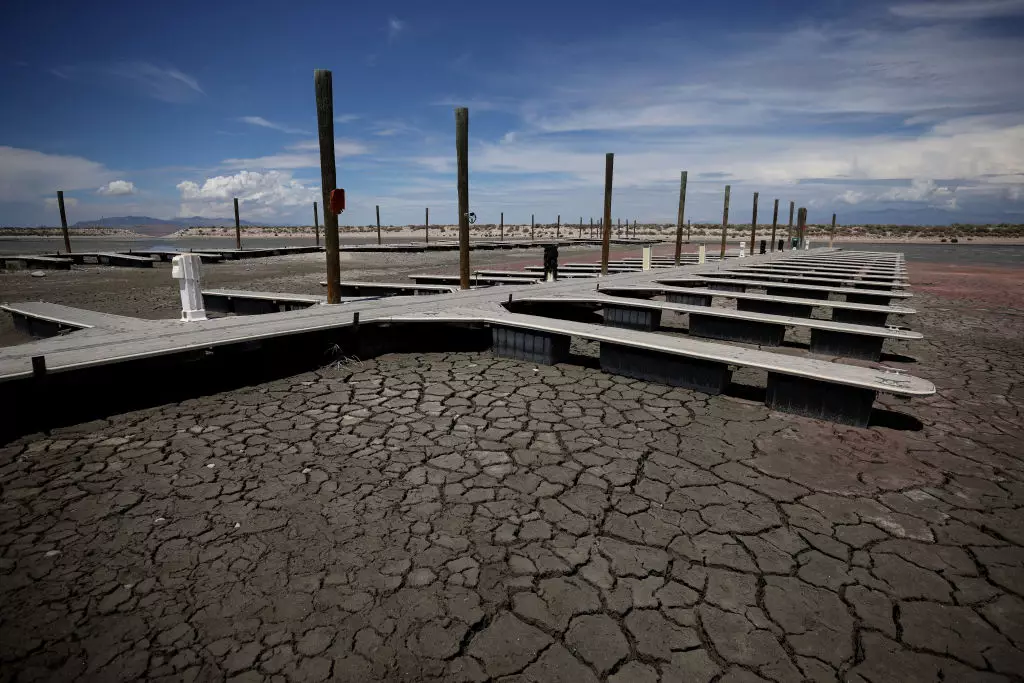
John P Abraham, an engineering professor at the University of St Thomas in Minnesota and another co-author, questioned the stated rationale for dismantling a $368m system. Speaking about the decision to dismantle the $368m system, he said: “The US government wants to save less than a billion in sensors, which are the eyes and ears of the ocean. We have hundreds of billions in climate costs per year. The cost of the observation system is a fraction of the climate costs from hurricanes and storms that hit the US.”
He added: “This is not about saving money. This is about killing climate science research.”
Historical damage estimates underscore the scale of what is at stake. Between 1980 and 2024, the US experienced more than 400 climate and weather disasters that each caused losses exceeding $1bn.
In 2024 alone, total losses reached $177bn — far exceeding the cost of the ocean-monitoring infrastructure now under threat.
Meanwhile, the European Union said this week it will commit €92m to its own project, OceanEye, with more than half of that funding directed to the Global Ocean Observing System.
Officials indicated the investment had been planned for some time rather than being designed as a direct response to US actions, though the proximity in timing has drawn attention.
The National Science Foundation has stated that the OOI is not being eliminated outright, characterizing the plan as a “descope” — a reduction in components rather than a complete shutdown — but it has not specified what level of ongoing data collection would remain.